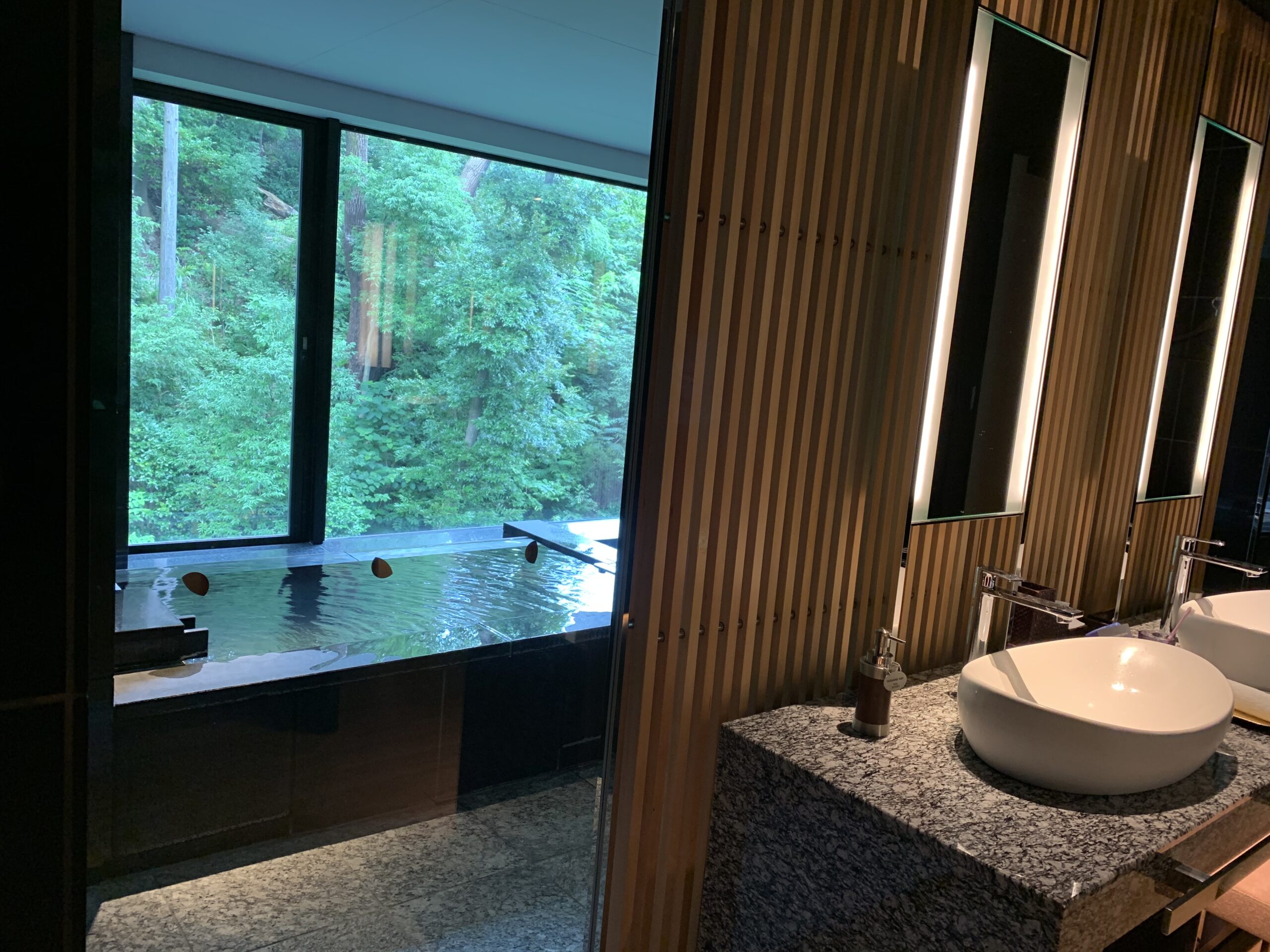
For a lot of visitors, the onsen is the single most intimidating part of a trip to Japan. You’re naked, in public, surrounded by unspoken rules, and terrified of doing the wrong thing in front of a room full of strangers.
Here’s the reassuring truth: the etiquette is simple once someone walks you through it, and Japanese bathers are far too relaxed to be watching you. I’m a Japanese local — let me take you through it step by step, so your first onsen is a pleasure and not a stress test.
First: What an Onsen Actually Is
An onsen is a bath fed by natural hot spring water. It might be a grand resort building, a tiny neighbourhood bathhouse, or an outdoor rock pool with a mountain view. What they share is the same basic ritual — and once you know the ritual, you can walk into any of them.
One thing to know up front: traditional onsen bathing is done naked. No swimsuits in the water. It feels strange to first-timers and completely normal within about ten minutes. (Some facilities do have swimsuit-friendly baths — more on that below.)
Step-by-Step: How to Use an Onsen
1. Split by gender at the entrance
Baths are separated into men’s and women’s sections, usually marked with 男 (men) and 女 (women), and often colour-coded — blue curtain for men, red for women. Walk through the correct curtain into the changing room.
2. Put your clothes in a locker
Inside, you’ll find lockers. Some are free; some coin lockers need a ¥100 coin (you usually get it back, but bring one just in case). At some places the front desk hands you a key with a number, and you use the matching locker. Get undressed completely here — this is the naked part — and leave everything in the locker.
3. Take your small towel, cover, and enter the bathing area
You’ll have a small face towel. Use it for a little modesty as you walk in. If you didn’t bring one, most places rent or sell them cheaply at the desk. The bigger towel stays in the changing room.
4. Wash yourself BEFORE getting in
This is the most important rule, so I’ll say it clearly: you wash your body at the shower stations before you enter the bath. You’ll find seated shower stalls with body soap and shampoo provided. Sit, wash thoroughly, rinse off every trace of soap, then head to the water. If you need to, wash your hair too.
(At a very simple or rural onsen with no soap provided, at least ladle hot water over yourself with the little bucket to rinse off before getting in. Never get in dirty.)
5. Get in the bath — and keep the towel out of the water
Ease in slowly; the water is often hotter than you expect. Your small towel does not go in the water. Most people fold it and rest it on their head, or set it on the edge. Keeping the towel — and your hair — out of the water is the core of onsen manners.
6. Soak, cool down, repeat
That’s it. Soak as long as it’s comfortable, get out to cool off if you overheat, get back in. When you’re done, a lot of people don’t rinse with fresh water afterward, to let the minerals stay on the skin — but that’s personal preference, not a rule.
The Towel Rules, Summarised
Since towels confuse everyone, here’s the whole thing in one place:
- Big towel — stays in the changing room, for drying off afterward
- Small towel — comes into the bathing area for modesty and washing
- Small towel in the water — never; head or edge only
- Long hair — tie it up so it doesn’t touch the water
Tattoos and Onsen: The Honest Picture
If you have tattoos, this is probably your real question — and it deserves a straight answer rather than a rumour.
Traditionally, many onsen refuse guests with visible tattoos, because of a historical association between tattoos and organised crime. That’s still common. But the situation is genuinely shifting, and you have more options than the old reputation suggests:
- “Tattoo-friendly” onsen are increasing, partly due to more international visitors. Some now welcome tattooed guests openly.
- Private / family baths (kashikiri) let you book a bath for yourself or your group, where tattoos are simply not an issue. This is the easiest, most stress-free route, and many ryokan and day-spas offer it.
- Cover patches — a growing number of facilities allow entry if a smaller tattoo is fully covered with a cover sticker (often sold on site).
- Municipal public bathhouses tend to be more relaxed than commercial spas, and some don’t restrict tattoos at all.
Two honest cautions. First, policies vary enormously and change often, so never assume — check the specific facility’s website or call ahead before you go. Second, if you also want to swim, pools and water parks run on a different, generally stricter set of rules → Tattoos in Japan — Where You Can (and Can’t) Swim: An Honest Pool & Beach Guide
Swimsuit-Friendly Options
If bathing naked isn’t for you — with or without tattoos — some facilities have swimsuit-friendly baths or mixed-gender bathing areas where swimwear is required. These are the exception rather than the rule, but they exist, and they’re a comfortable entry point. Look for onsen that specifically advertise this.
Common First-Timer Worries (Answered)
“Is everyone looking at me?” No. Onsen culture is deeply matter-of-fact about nudity — people are there to relax, not to look. Your self-consciousness fades faster than you’d think.
“Can I wear my glasses?” Yes, glasses are fine. Leave contact lenses out if you plan to put your face near the water.
“Can I take photos?” No — never photograph inside a bathing area. Everyone is undressed, and privacy is absolute. Put the phone in the locker.
“What if the water’s too hot?” It often is, especially for first-timers. Get in slowly, and don’t feel you have to tough it out — stepping out to cool down is completely normal.
“Do I tip the staff?” No. Tipping isn’t part of Japanese culture anywhere → The Unspoken Rules of Japan (That Nobody Tells Tourists
“Shoes?” You’ll have taken them off before you even reached the baths — most onsen buildings are shoes-off from the entrance → Why Do Japanese People Remove Their Shoes at Home? — A Japanese Local Explains
Final Thoughts
An onsen is one of the most restorative things you can do in Japan — a hot mineral bath, often with a view, at the end of a long day of walking. The etiquette that looks so daunting from the outside comes down to three things: wash before you get in, keep the towel out of the water, and relax.
Do that, and you’ll understand why hot springs are the part of a trip that so many people miss most after they go home.


コメント