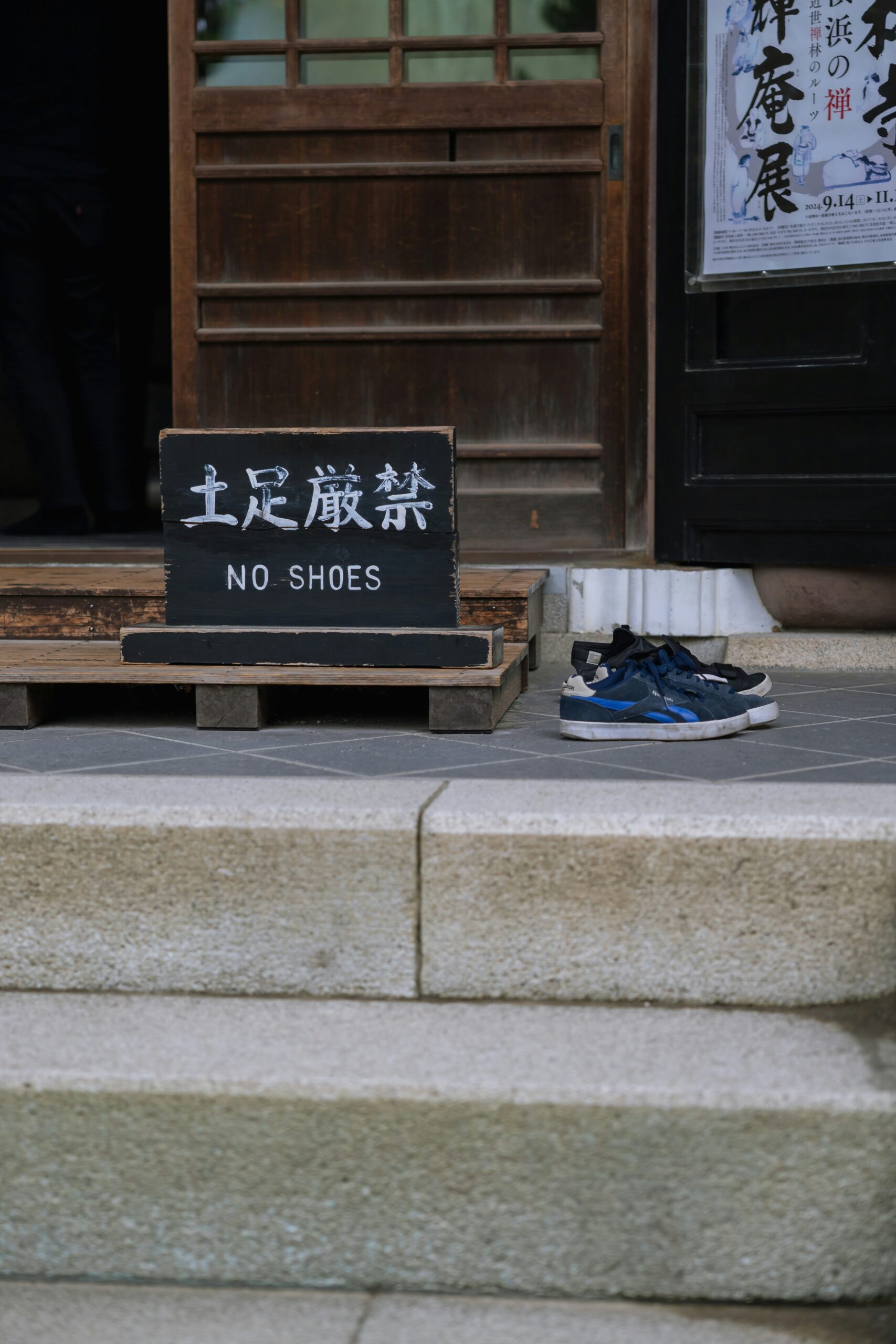
One of the first things visitors notice when entering a Japanese home is the expectation to remove their shoes at the door.
It’s not just a house rule. It’s a cultural practice with deep historical roots — and understanding it says a lot about how Japanese people think about home, cleanliness, and respect.
Here’s an honest explanation from someone who grew up with it.
The Short Answer: The Floor Is a Living Space
In Japan, the floor inside the home is considered a clean living space. Bringing in shoes that have been walking outside means bringing in dirt, bacteria, and everything the streets carry.
This isn’t just about cleanliness as a concept. It’s about the way Japanese people actually use their floors — and that’s where the real explanation begins.
The Historical Background
The practice goes back to a time when Japanese people lived directly on tatami — woven straw mat flooring.
In traditional Japanese homes, people sat on the tatami to eat, spent their evenings there, and slept on futons laid directly on it. The floor wasn’t just something you walked across. It was where life happened.
Wearing outdoor shoes on tatami was unthinkable. The floor needed to stay clean because people were in direct contact with it all day. That relationship between people and the floor became embedded in Japanese culture — and it has never really left.
Why It Continues Today
Modern Japanese homes often have wooden or laminate flooring rather than tatami. But the habits that came from tatami living remain.
- Sitting on the floor is still common in many Japanese homes
- Babies crawl directly on the floor
- Some families still sleep on futons laid on the floor
As long as the floor remains a place where people sit, rest, and live — rather than just walk — keeping it clean stays important. The logic hasn’t changed, even if the materials have.
How Japan Differs From Other Countries
In many Western countries, homes are organised around sofas, chairs, and elevated furniture. The floor is something you walk across — not something you sit or sleep on. That physical distance from the floor makes shoes-on living more practical and less problematic.
The fundamental difference is how close people are to the floor in their daily lives. In Japan, that distance is very small. That’s the root of the shoe-removal culture.
What This Looks Like in Daily Life
Delivery drivers stop at the entrance
When a delivery person brings a package to a Japanese home, they stop at the genkan — the entrance area. They don’t come inside. The handover happens at the threshold. This is simply understood by everyone.
Guest slippers
Most Japanese homes keep a set of guest slippers near the entrance. When visitors arrive and remove their shoes, they’re offered slippers immediately. Providing clean slippers for guests is considered basic hospitality.
Teaching children from an early age
In Japan, children are taught to remove and neatly arrange their shoes from a very young age.
This matters more than it might seem. Neatly placed shoes aren’t just tidiness — they’re a signal. A person whose shoes are arranged carefully at the entrance is seen as someone with good manners and good upbringing. Parents will scold children who leave their shoes scattered or kicked off carelessly. It’s one of the earliest lessons in how you present yourself to the world.
A Note on the Genkan
The entrance area of a Japanese home has a specific name: genkan (玄関). The word is sometimes used as-is in English, because the concept doesn’t have a direct equivalent.
The genkan is more than just a doorway. It’s a transitional space — a deliberate boundary between outside and inside, between the public world and the private one. There’s usually a step up from the genkan into the main living area, which physically marks the division.
Removing shoes in the genkan isn’t just about keeping the floor clean. It’s about crossing a threshold — leaving the outside world behind and entering a different kind of space.
That sense of inside and outside as distinct, separate realms runs deep in Japanese culture. The genkan is where that boundary is made physical.
One Last Thing
If you’re visiting a Japanese home, the etiquette is simple: remove your shoes at the entrance, place them neatly facing toward the door, and step up into the house.
That last detail — shoes facing outward, ready for when you leave — is the kind of small thing Japanese people notice. It takes two seconds and communicates something about who you are.
Which is, in a way, exactly what this whole culture is about.
Do you remove your shoes at home in your country? Leave a comment below.


コメント