
It’s one of the most common things visitors say about Japan: why does everyone look so young? People routinely guess ages ten or fifteen years low.
Here’s my honest answer as a Japanese local — and the honest part matters, because the internet usually gives you one of two useless replies. Either “it’s genetics” (which you can’t copy) or “it’s some secret” (which doesn’t exist). The real answer is more useful than both: most of it is habits, and habits can be borrowed. Let me walk through the ones that actually seem to matter, with the science where it exists.
1. Fermented Food, Every Single Day
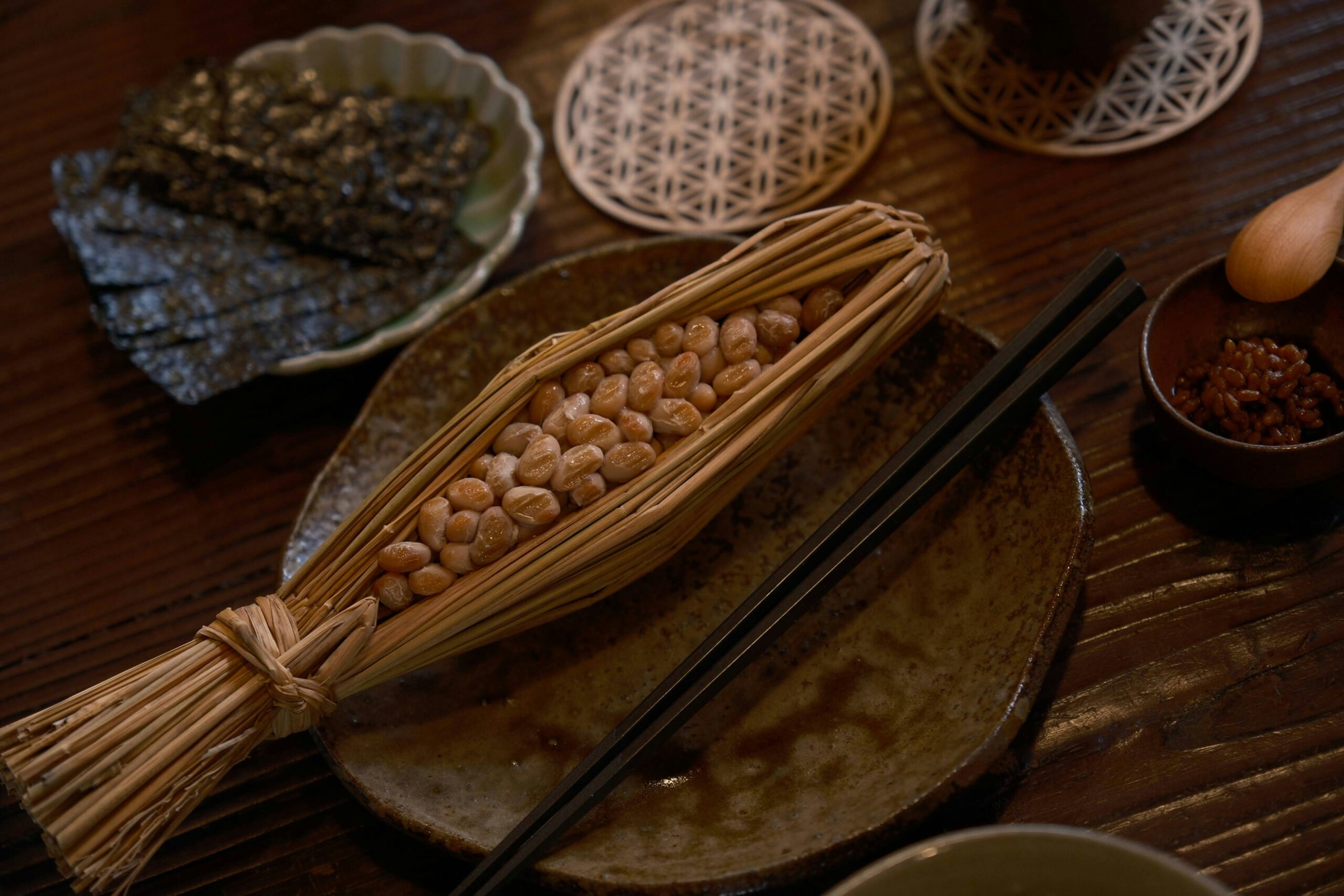
Japanese people eat fermented food daily, often without thinking about it — miso, natto, soy sauce, pickles. It’s not a health trend here; it’s just what breakfast is.
And the research on this is more real than you might expect:
- A 2020 double-blind randomised controlled trial found that Japanese women who had miso soup regularly showed measurably better skin elasticity and reduced wrinkle depth after 12 weeks, compared to a control group.
- Studies on a compound derived from natto found it helped with age spots, skin tone, and fine lines — by suppressing both the enzyme that produces pigment and the enzyme that breaks down the elastin that keeps skin firm.
- More broadly, researchers increasingly talk about a “gut-skin axis”: fermented foods support gut health, which in turn supports skin immunity, hydration, and lower inflammation.
I’m not claiming a bowl of miso soup is magic. But eating fermented food every day for a lifetime is a real, cumulative habit with real evidence behind it — and it’s one of the easiest to copy. (More on why Japanese food works the way it does → Why Does Food Taste Better in Japan?)
2. A Culture of Gentle Flavours
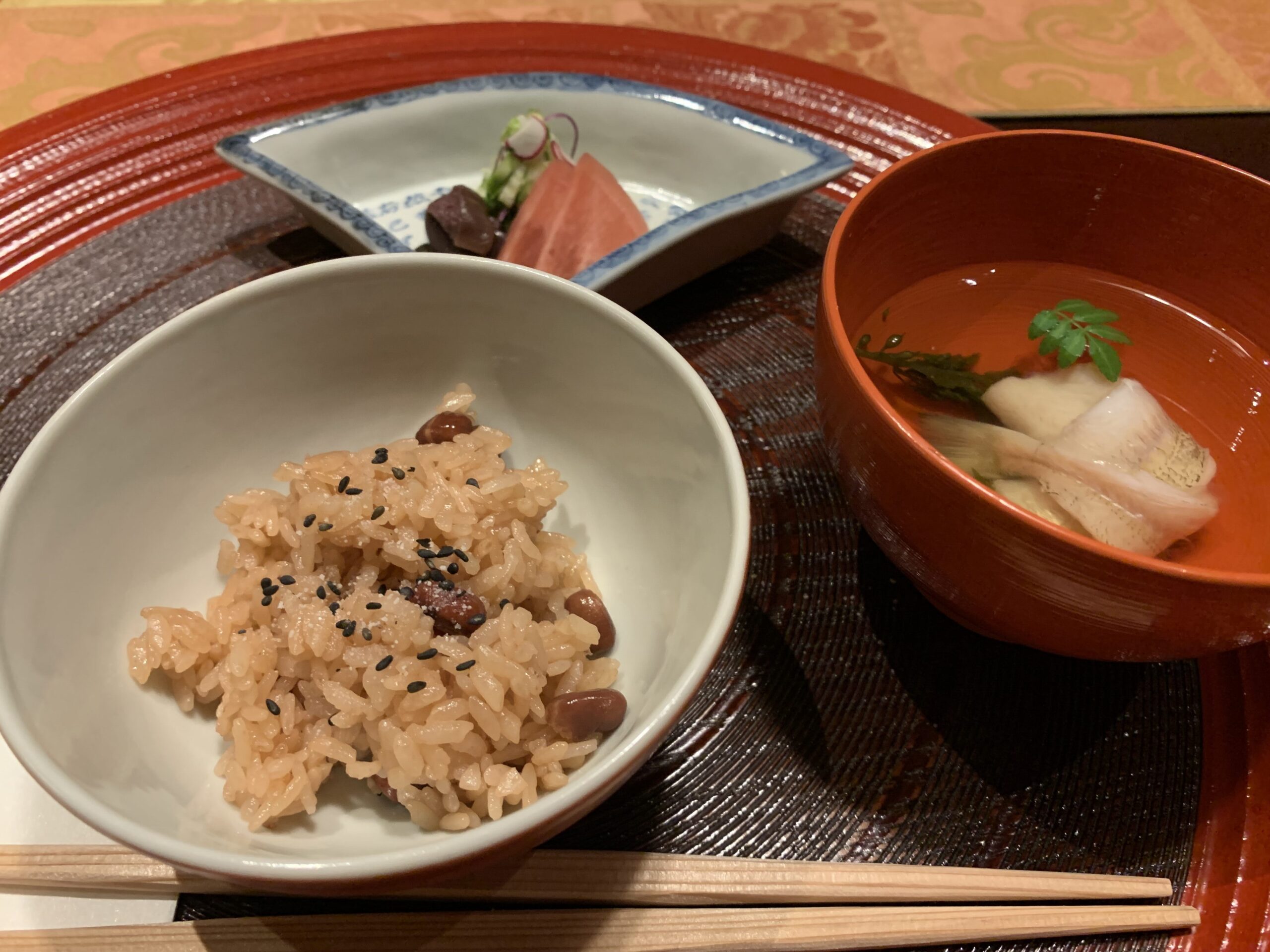
Connected to the above: Japanese home cooking leans toward mild, gentle flavours rather than heavy sugar, salt, and fat. Dashi does a lot of the work that sugar and grease do in other cuisines, so the baseline diet is lower in the things that drive inflammation and blood-sugar spikes.
This isn’t about restriction or dieting — it’s just the default taste. And a lifetime of a gentler baseline diet adds up.
3. Sun Protection Is Taken Seriously — This Is the Big One
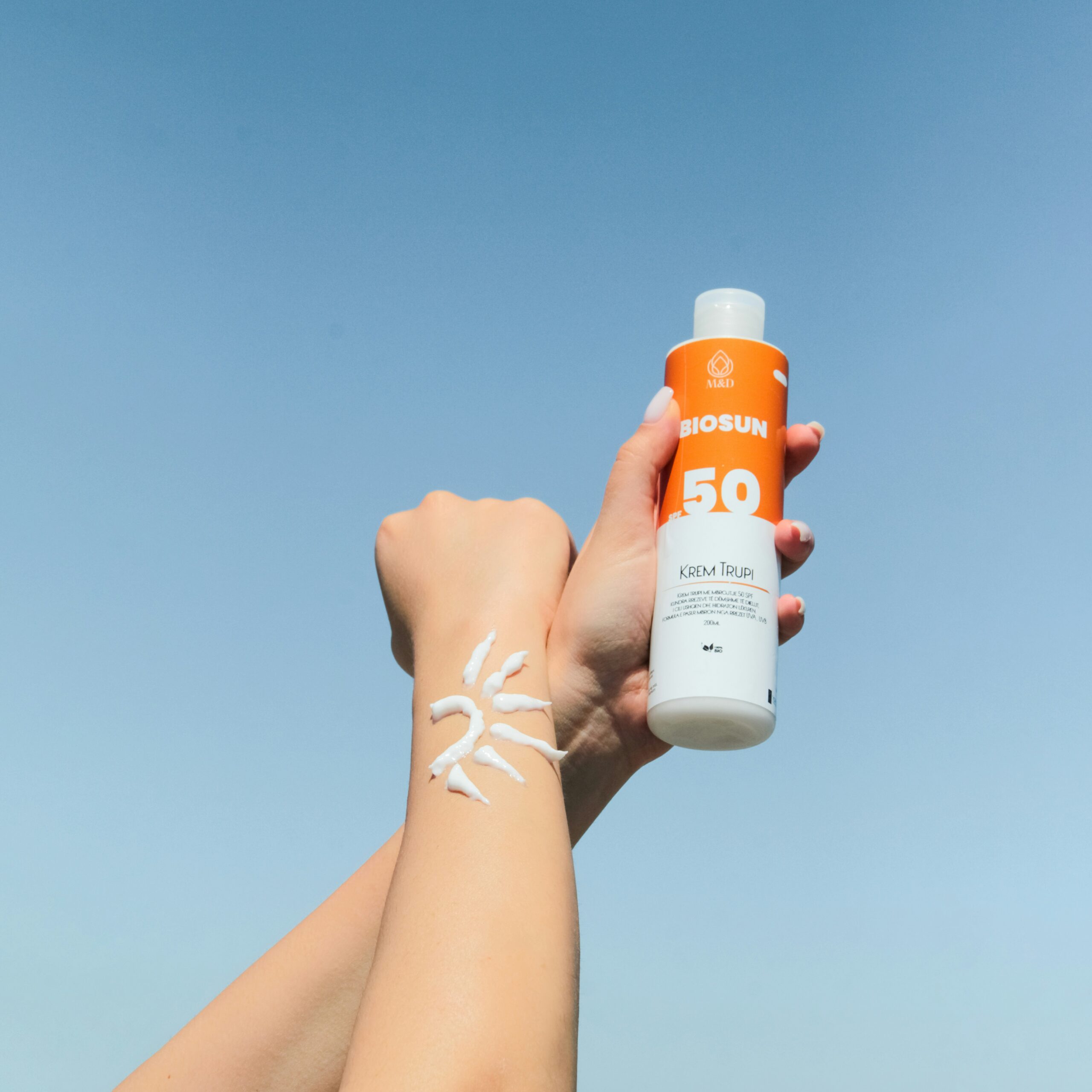
If I had to point to one habit that explains the most, it’s this. Japanese people, especially those who care about their skin, protect it from the sun relentlessly — parasols, hats, long sleeves, and sunscreen, often starting in childhood. The goal is to prevent shimi (spots) and sobakasu (freckles) and, above all, the skin ageing that sun causes.
Here’s why that habit matters so much more than people realise:
- According to the Skin Cancer Foundation, up to 90% of visible skin ageing is caused by UV exposure — not by getting older. Let that sink in: the majority of what we call “looking old” is sun damage, and sun damage is preventable.
- A landmark 2013 study (Flament et al.) found that people who sought the sun had significantly more wrinkles than those who avoided it, and concluded UV exposure was responsible for around 80% of visible facial ageing signs.
- In a 24-month controlled study, people who used sunscreen daily showed significantly less of the skin degradation (solar elastosis) seen in those who didn’t.
So when visitors assume Japanese youthfulness is genetic, they’re missing the biggest, most boring, most copyable factor: decades of not letting the sun hit the skin. You don’t need Japanese genes for this. You need a hat and daily sunscreen, starting as early as possible.
4. Daily Bathing — Clean Skin, but Not Over-Scrubbed
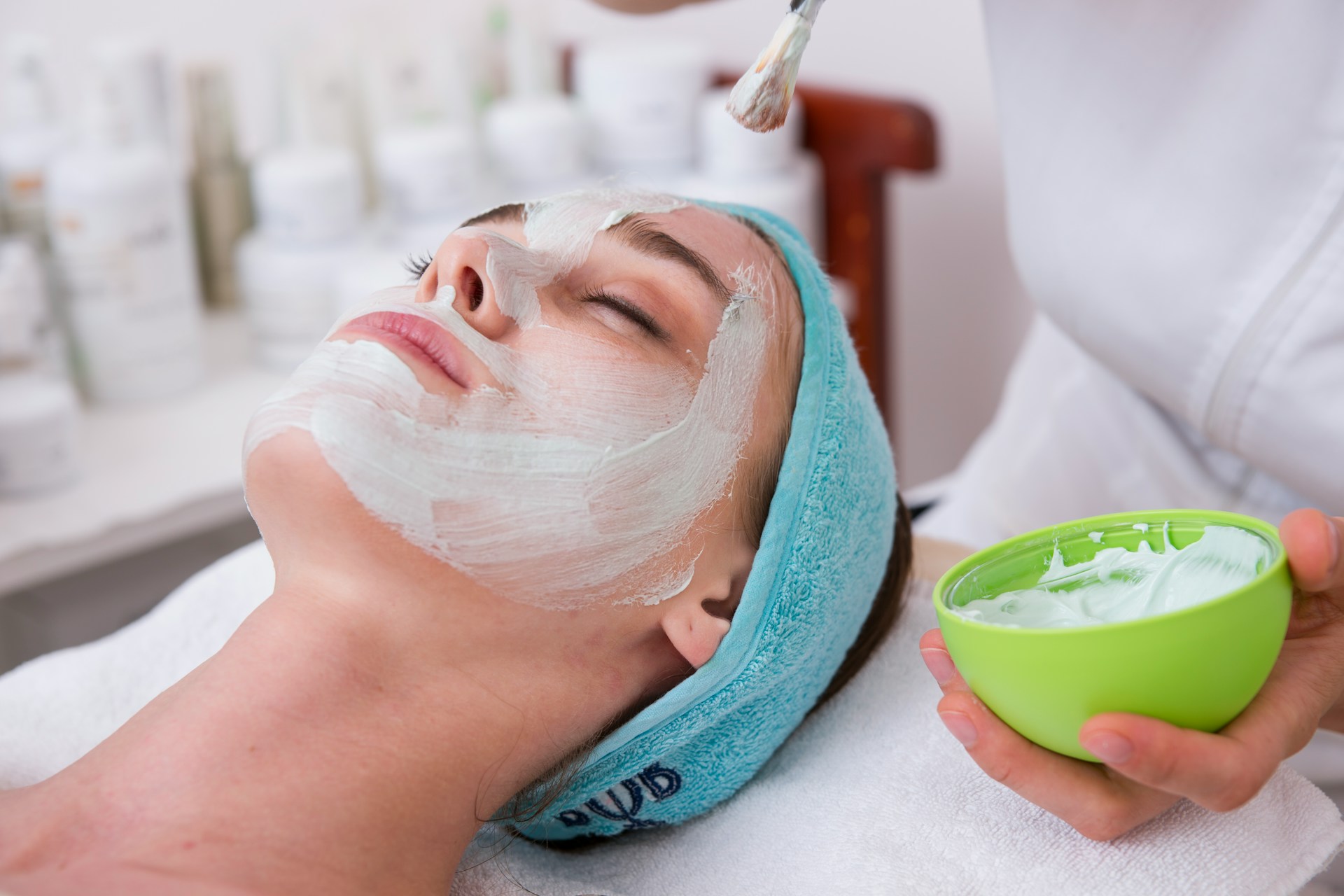
Japanese people wash the body daily and value soaking in a bath to clean the skin and, in a sense, flush the day off. But there’s a balance built into the culture: clean, but not aggressively over-cleansed. Stripping the skin with harsh scrubbing damages the barrier, and the gentler approach protects it.
The daily bath is also just deeply relaxing, and lower daily stress is quietly good for skin too. (This is a whole ritual of its own → Japanese Onsen Guide.)
5. Skincare Is Normal — for Everyone, Including Men

Walk into a Japanese drugstore and the scale is genuinely different from most countries. Entire aisles are devoted to sunscreen, lotions (toner-style “keshosui”), sheet masks, and skincare — a huge range of products, at every price point, treated as an everyday essential rather than a luxury.
And it isn’t only women. Japan has a large culture of “biyou danshi” (beauty-conscious men): plenty of Japanese men use sunscreen, do skincare with lotions, and groom carefully. Skincare being normal for everyone means the whole population is, on average, looking after their skin from a young age.
(The drugstore is also one of the best souvenir stops in Japan for exactly this reason → What to Buy in Japan — A Local’s Honest Souvenir Guide — and it sits right alongside the supermarket in everyday life → Japanese Supermarket Guide — How to Shop Like a Local (and What to Buy).)
6. A Life That Keeps You Moving

This one is structural rather than deliberate. Japanese cities are built around dense public transport, and trains are often crowded — so daily life involves a lot of standing and walking rather than sitting in a car door-to-door. People walk to the station, stand on the train, walk to the office, walk to the shops. It’s not exercise anyone signs up for; it’s just baked into the day, and a lifetime of constant low-level movement supports overall health.
So — Is It Genetics?
Partly, honestly. Genetics play a role in how anyone ages, and it would be dishonest to pretend otherwise. But genetics is the part you can’t do anything about, so it’s the least useful answer.
The useful truth is that most of what makes Japanese people look young is habit, not heredity — fermented food, gentle flavours, relentless sun protection, daily bathing, normalised skincare, and a life spent moving. Every one of those is something a person anywhere can adopt.
If you copy just one, make it the sun protection. The research is overwhelming, the habit is cheap, and it’s the single biggest lever any of us has over how we age.
Final Thoughts
The next time you’re in Japan and can’t believe someone’s real age, know that you’re not looking at a genetic lottery you missed out on. You’re looking at the results of small daily habits, repeated for decades. The good news is that the most powerful of them — staying out of the sun — you can start tomorrow morning.

コメント