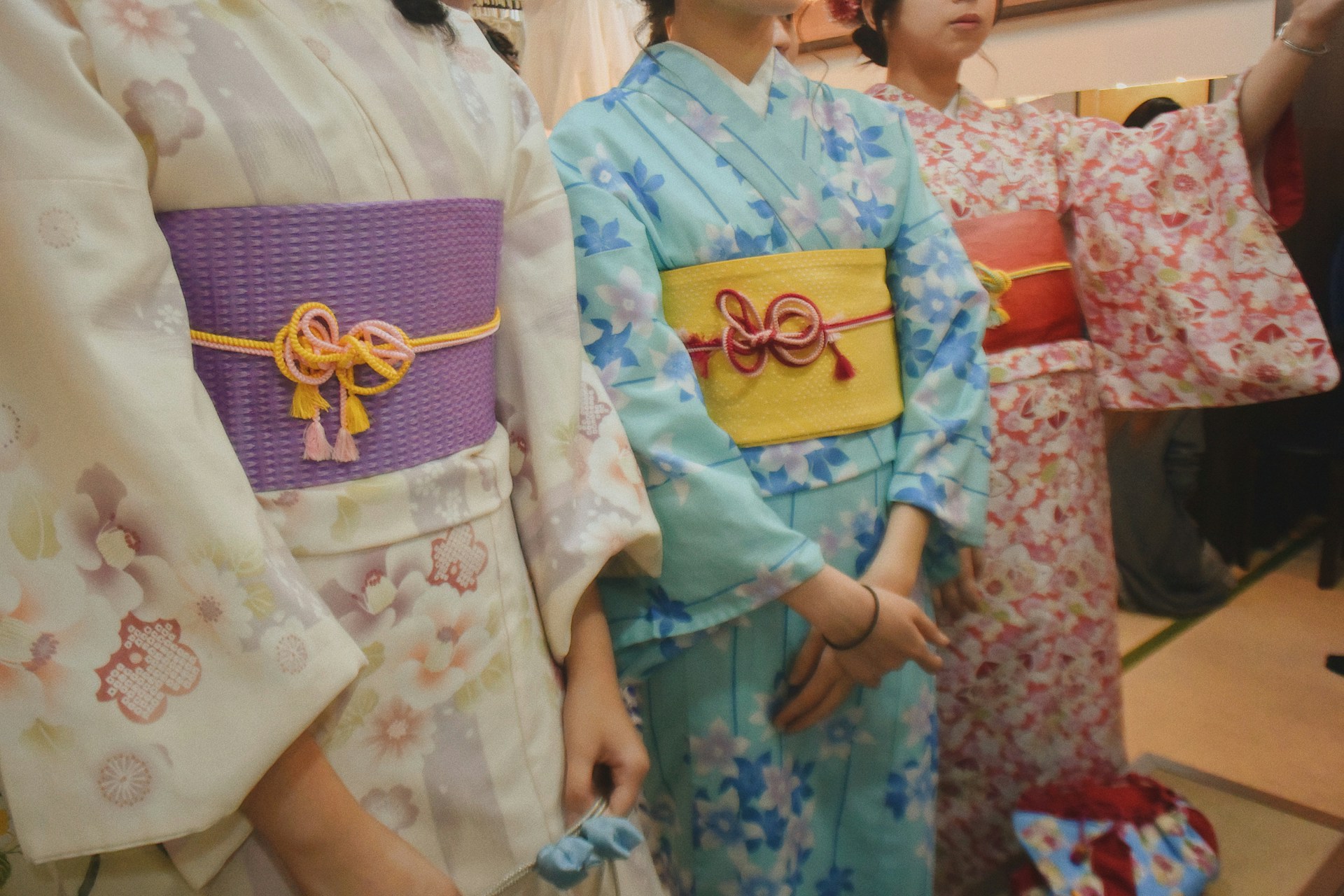
You’re in Japan. Everything feels smooth, polite, and perfectly organised. And then you do something — you’re not sure what — and you sense a subtle shift in the atmosphere around you.
Nobody said anything. Nobody ever says anything.
That’s Japan.
Here are the unspoken rules that most travel guides skip — explained honestly, by someone who grew up with them.
🚃 On the Train
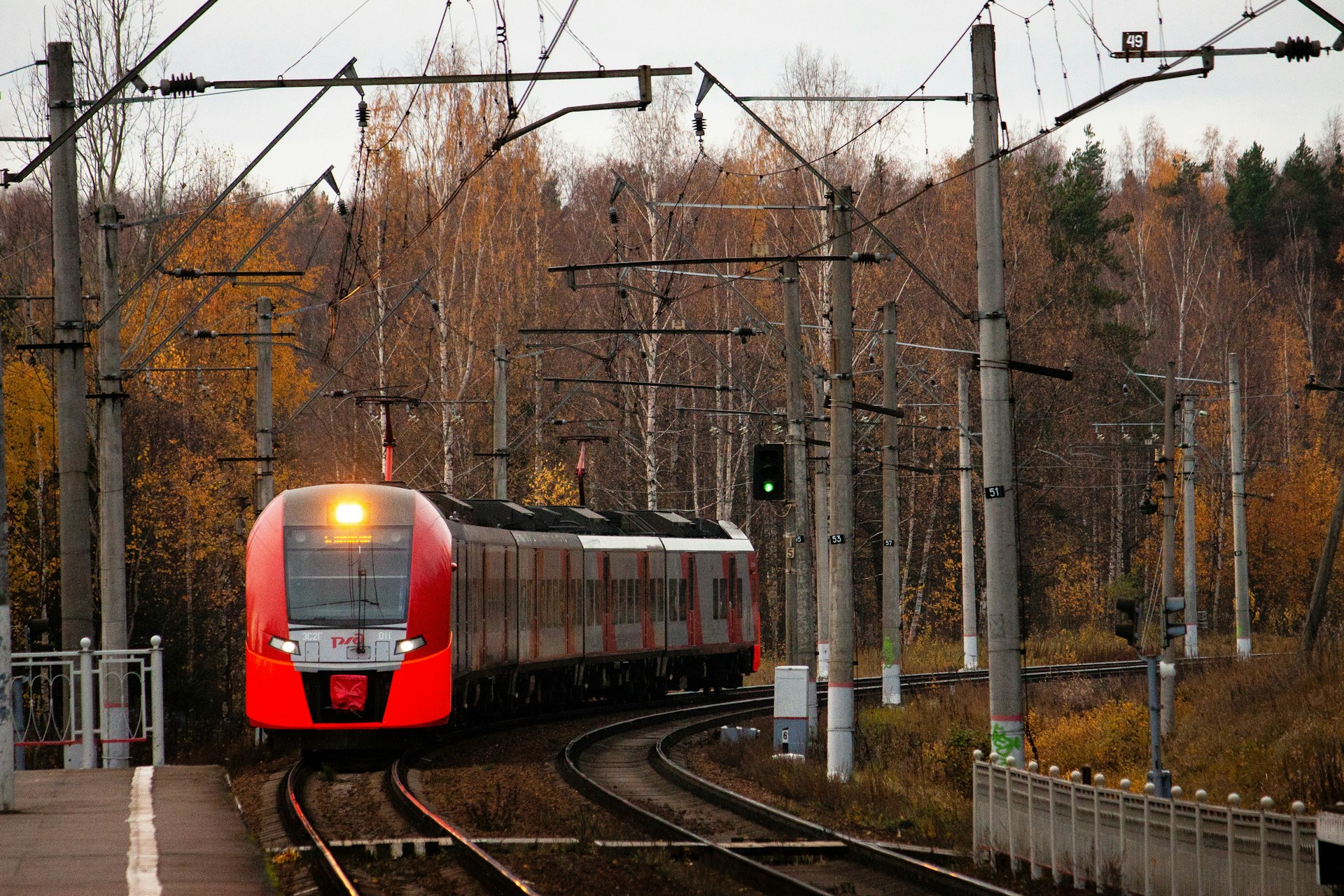
No phone calls
Talking on the phone on a Japanese train is a serious social no. Technically, some lines don’t explicitly ban it — but if you make a call, every single person in the carriage will pretend not to hear you while very clearly hearing every word. That silent, collective disapproval is the most Japanese thing imaginable.
Quiet conversation is fine. Just keep it low.
Queue, and let people off first
Wait at the marked positions on the platform. And when the doors open — always, always let passengers off before you get on. Pushing in while people are still exiting will earn you some very pointed non-reactions.
Tokyo’s morning rush hour is something else entirely. Even if you’re queuing perfectly, you may simply not fit on the train. Wait for the next one. It’ll be fine.
The escalator question
Honestly, even Japanese people find this confusing now. Traditionally, Tokyo meant stand on the left, walk on the right — and Osaka was the opposite. But many stations are now asking people to stand on both sides.
My honest advice: watch what the people around you are doing, and copy them 😂
🏠 Entering Homes and Buildings
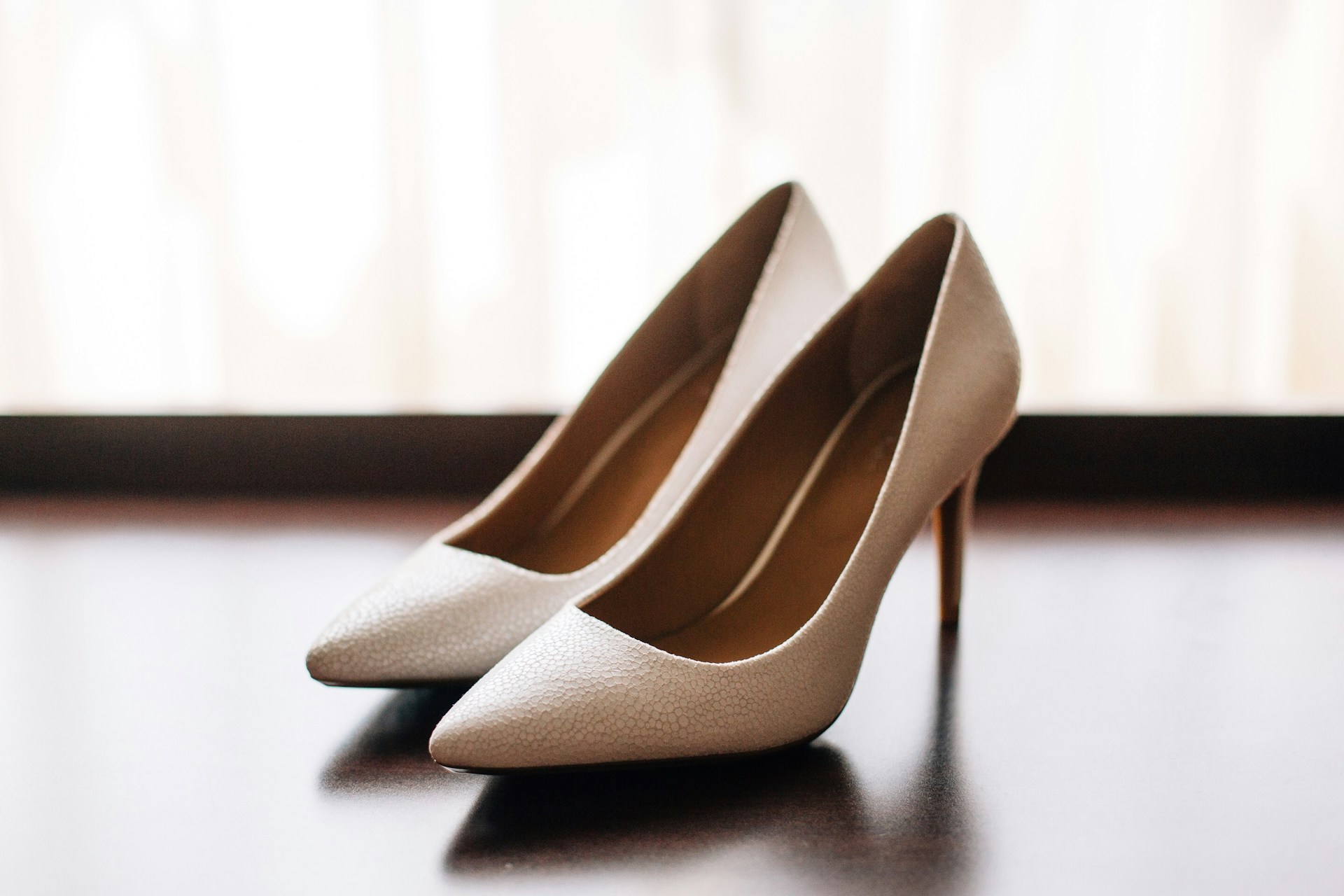
Remove your shoes at the entrance
In Japanese homes, shoes come off at the genkan — the small entrance area, usually with a step up. This applies to traditional ryokan too. Most hotels are shoes-on throughout, but if there’s a step at the entrance, that’s your signal.
The slipper system
Many homes and some traditional spaces will offer slippers to change into. Follow the lead of your host.
Here’s the one that trips up almost everyone: toilet slippers. Most Japanese bathrooms have a separate pair of slippers just for the toilet. You put them on when you enter, and — this is the important part — you change back when you leave. Walking through the house in toilet slippers is one of the most classic foreigner mistakes in Japan 😅
Tatami rooms: slippers off too
When entering a room with tatami flooring, remove your slippers as well. Tatami is delicate. Socks or bare feet only.
🍣 Eating and Drinking
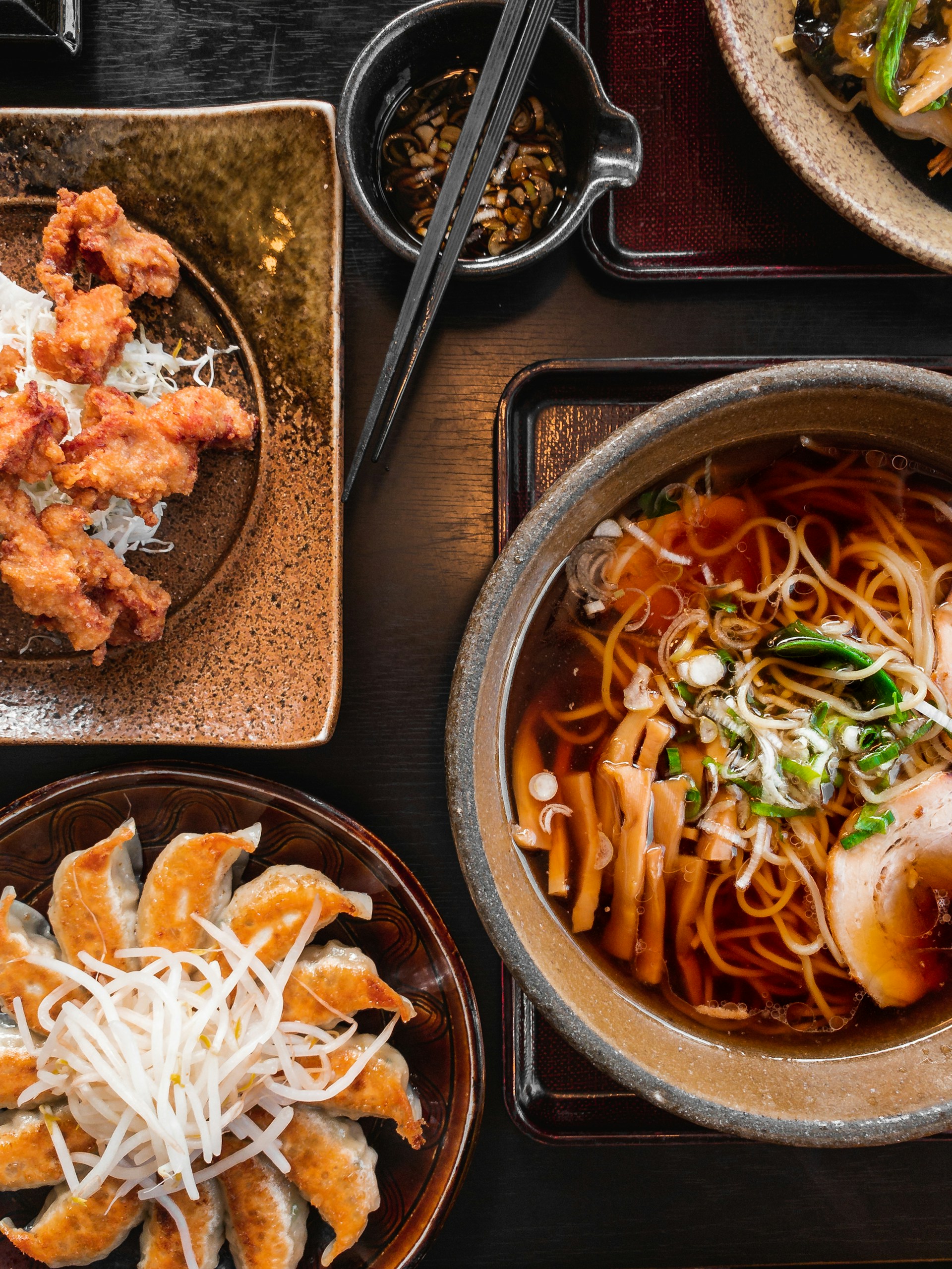
“Itadakimasu” and “Gochisousama deshita”
Before eating, Japanese people say itadakimasu — a expression of gratitude for the meal. After finishing, gochisousama deshita. You’ll hear these everywhere. If you say them in a restaurant, the staff will be genuinely delighted. It’s one of the simplest and most appreciated things a visitor can do.
Slurping noodles is fine — expected, even
Ramen, udon, soba — slurp away. It’s not rude. It’s how you eat noodles in Japan, and it actually helps you taste the broth properly.
I personally don’t slurp — I find it gets messy 😂 — and plenty of younger Japanese women eat quietly too. But if you want the full experience, go for it.
Never pass food chopstick to chopstick
This is a taboo even Japanese people occasionally catch themselves nearly doing. Passing food directly from one pair of chopsticks to another resembles a funeral ritual — the transfer of cremated bones. If you want to share food, place it on a small dish first.
Hold your bowl
In Japan, you pick up small bowls and plates when eating — rice bowls, soup bowls, side dish plates. Leaving them on the table and hunching over isn’t considered good form.
♨️ Bathing and Onsen
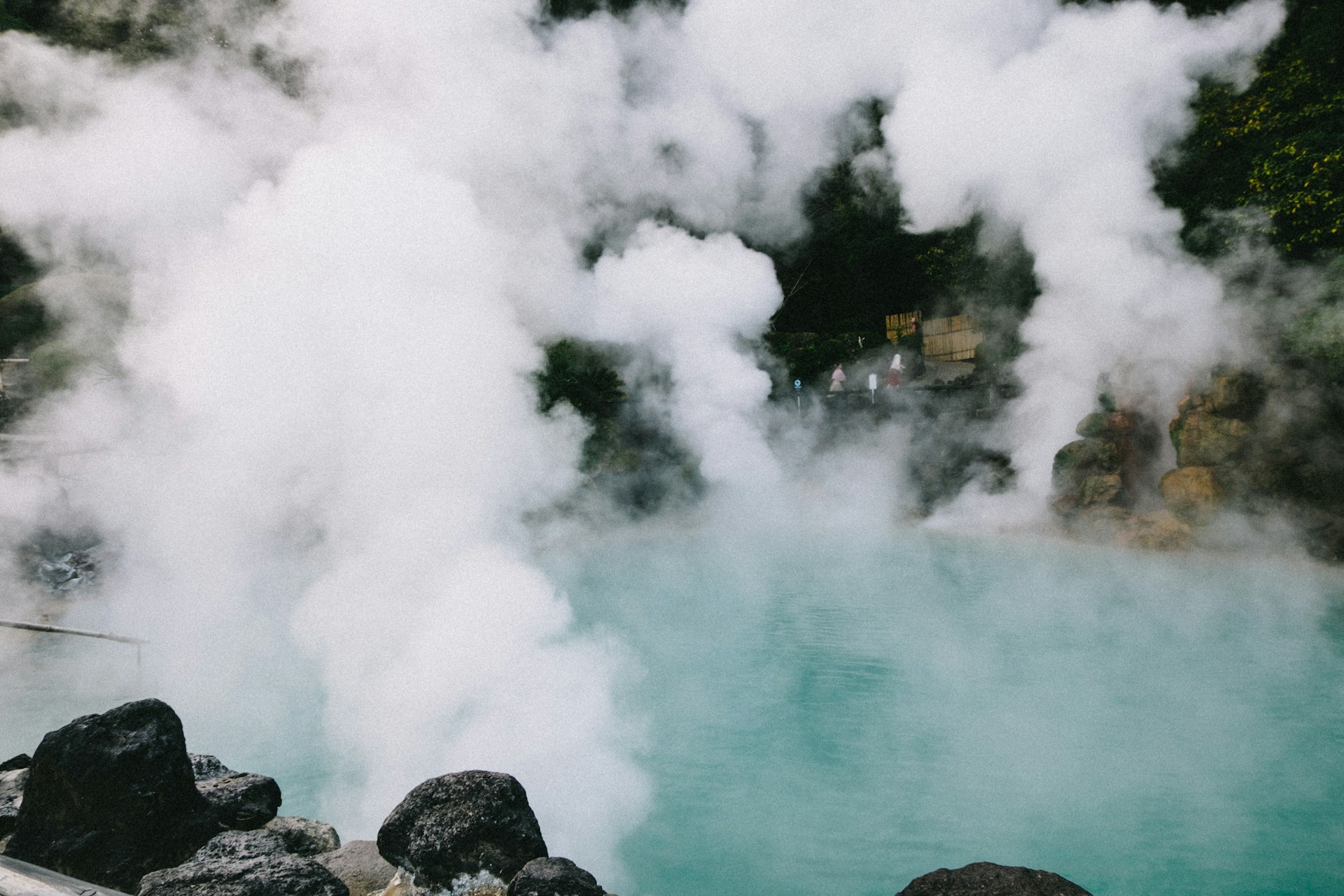
Wash before you get in
At any public bath or onsen, shower thoroughly before entering the communal water. The bath is shared — entering dirty is a serious breach of etiquette.
Tattoos
Many onsen and public baths still prohibit tattoos, due to their historical association with organised crime in Japan. The concern is that other guests may feel uncomfortable. Some facilities are now becoming more lenient — but always check in advance. It would be a shame to travel to a beautiful onsen town and not be able to go in.
⛩️ Shrines and Temples
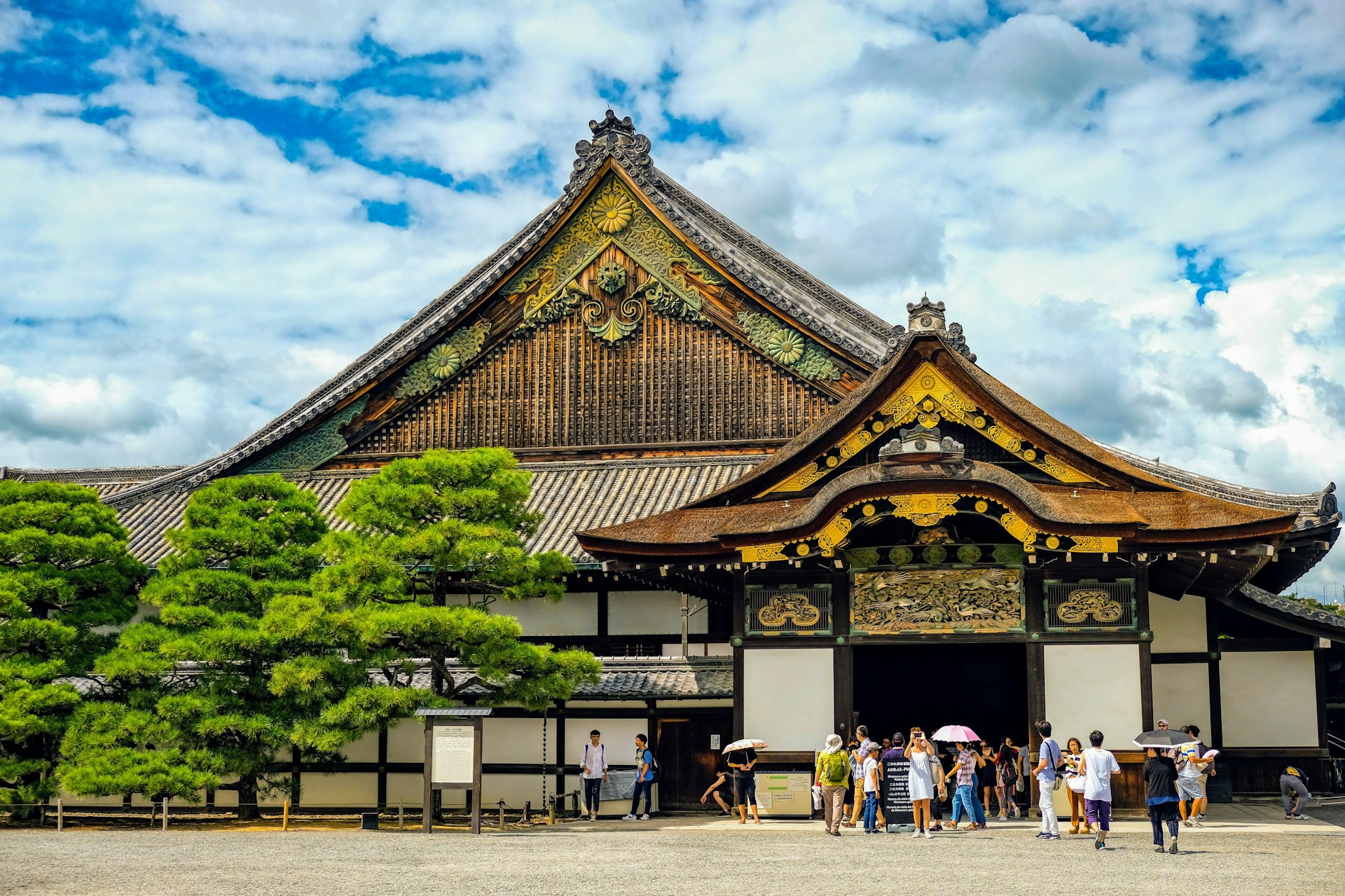
Osaisenbako — the offering box
There’s no required amount for shrine offerings. The ¥5 coin is considered lucky in Japan because its pronunciation (go-en) sounds like the word for “fate” or “connection.” During exam season, some students drop in ¥10,000 notes — but the amount matters less than the intention.
How to pray at a Shinto shrine
- Bow once at the offering box
- Place your offering quietly
- Ring the bell
- Bow twice deeply
- Clap twice
- Pray silently
- Bow once more to finish
🎁 The Omiyage (Souvenir) Culture

Bringing back souvenirs from trips is deeply embedded in Japanese culture. When you return from a holiday or work trip, you’re expected to bring back local sweets or snacks for colleagues, family, or friends. It’s not about the gift itself — it’s a way of saying “I thought of you while I was away.”
If you receive omiyage from a Japanese person, that’s exactly what they mean.
🗣️ “Sumimasen” — Learn This Word
Sumimasen is the most useful word you can know in Japan. It means something close to “excuse me” — and it’s used constantly.
- To get a waiter’s attention
- To squeeze past someone
- To apologise for a minor inconvenience
- To ask for help
It’s almost always a light, casual expression. Using it as a visitor — even with imperfect pronunciation — makes an immediately positive impression on Japanese people.
🗑️ Why Are There No Bins?
Many visitors are surprised to find almost no public rubbish bins in Japan — yet the streets are immaculate.
Part of the reason lies in how public spaces are managed. Japanese signage tends toward positive framing: not “don’t litter,” but “thank you for keeping this space clean.” That cultural tone — collective responsibility, expressed through appreciation rather than prohibition — seems to genuinely work.
Convenience store bins are fair game for disposing of things you’ve bought there. For everything else, hold onto it until you find a bin, or take it back to your hotel.
One Last Thing
Japanese people will almost never correct you directly if you break one of these rules. They’ll simply absorb it, quietly.
But knowing these things changes the experience. Not because you’ll avoid judgment — but because you’ll feel more at ease, more connected, more like you’re actually in Japan rather than just passing through it.
Did you experience an “was that okay?” moment in Japan? Leave a comment — I’d love to hear it.


コメント