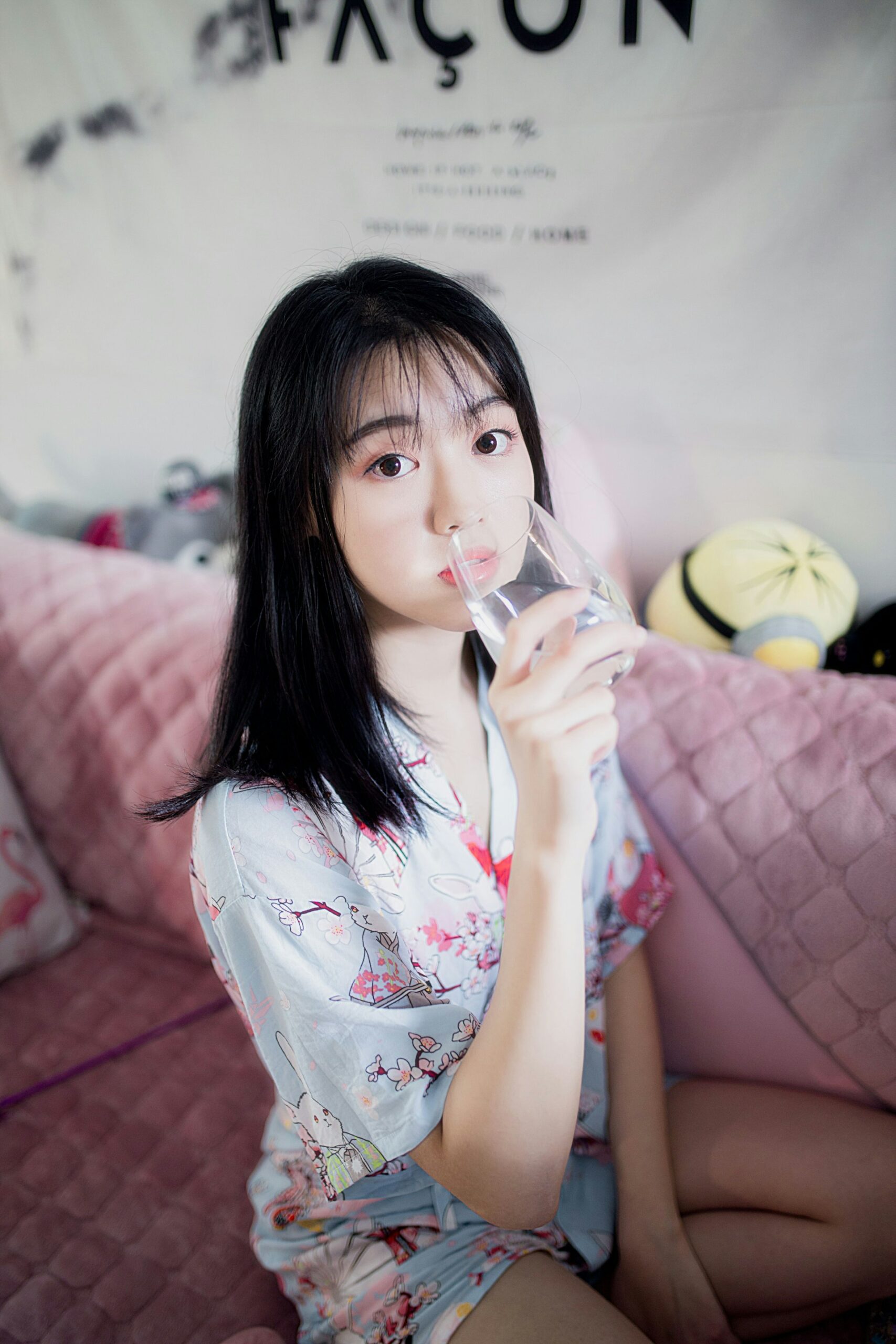
“Kawaii” is one of the most exported Japanese words in the world. But what does it actually mean — and why is it so different from “beautiful”?
I’m Japanese, and I want to give you an honest answer.
In many Western countries, female beauty is associated with strength, confidence, and sex appeal. Think of the icons: powerful, polished, untouchable.
In Japan, the most admired quality in a woman isn’t power. It’s approachability. Warmth. The feeling that you want to get closer — not stand back and admire from a distance.
That’s kawaii. And it goes much deeper than just a face.
The Face
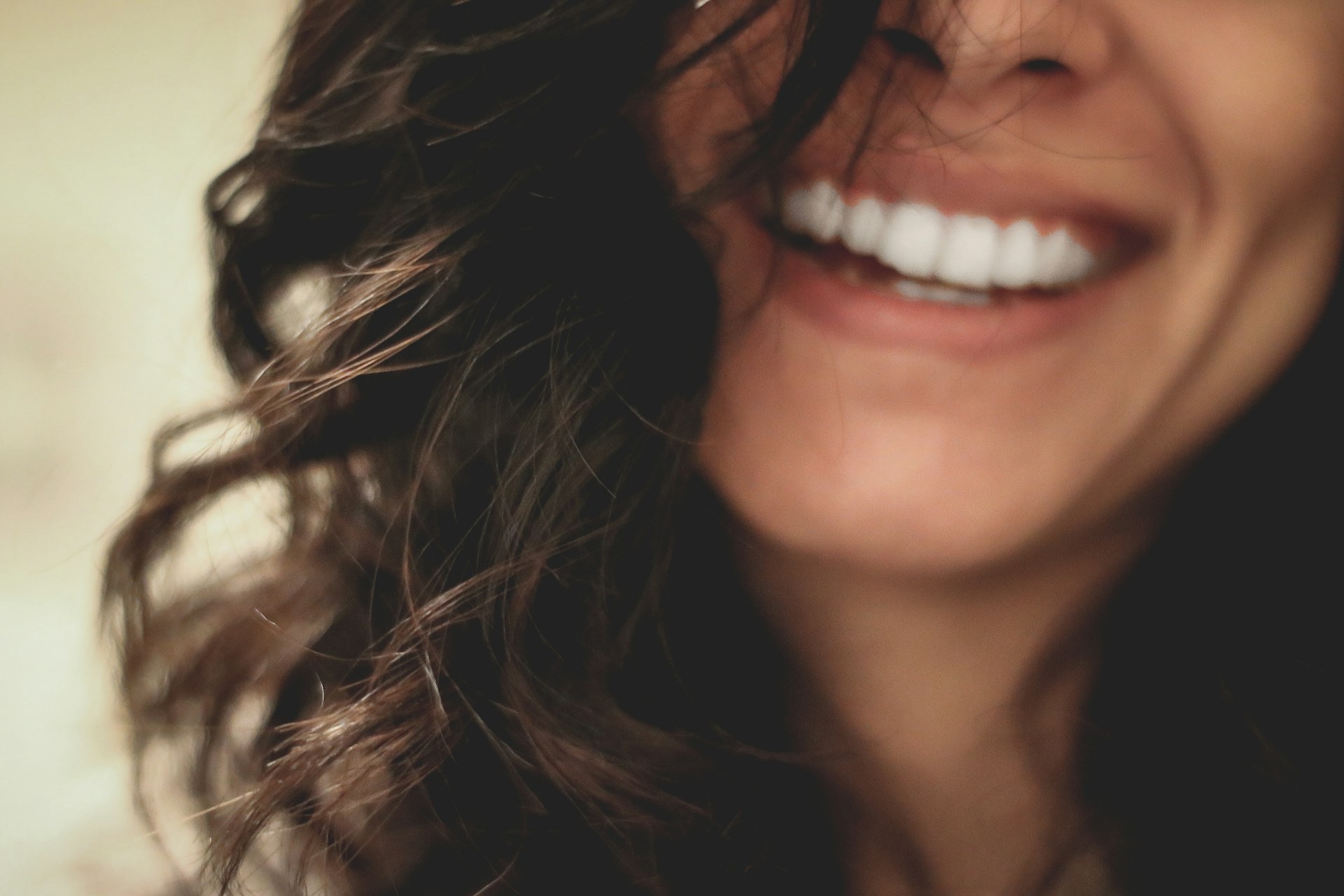
Small Face (kogao) In Japan, a small face is considered one of the most desirable features. It creates a delicate, balanced appearance. “Your face is so small!” is genuinely one of the highest compliments you can give in Japan — something that barely registers as a comment in most other cultures.
Big, Round Eyes Large, double-lidded eyes with an open, expressive quality are considered ideal. The logic is simple: bigger eyes show more emotion, and emotion is central to kawaii. Japanese makeup culture — thick eyeliner, false lashes, circle lenses — all exists in service of this one feature.
Nose A nose that’s slightly elevated but not too prominent. Noticeable, but not the main event. The ideal is a subtle refinement rather than a strong feature.
Teeth and Smile Straight, well-aligned teeth are increasingly important in Japan. When someone smiles and their teeth are neat and even, the whole smile becomes more kawaii. Orthodontic treatment has become significantly more common in recent years for exactly this reason.
Skin
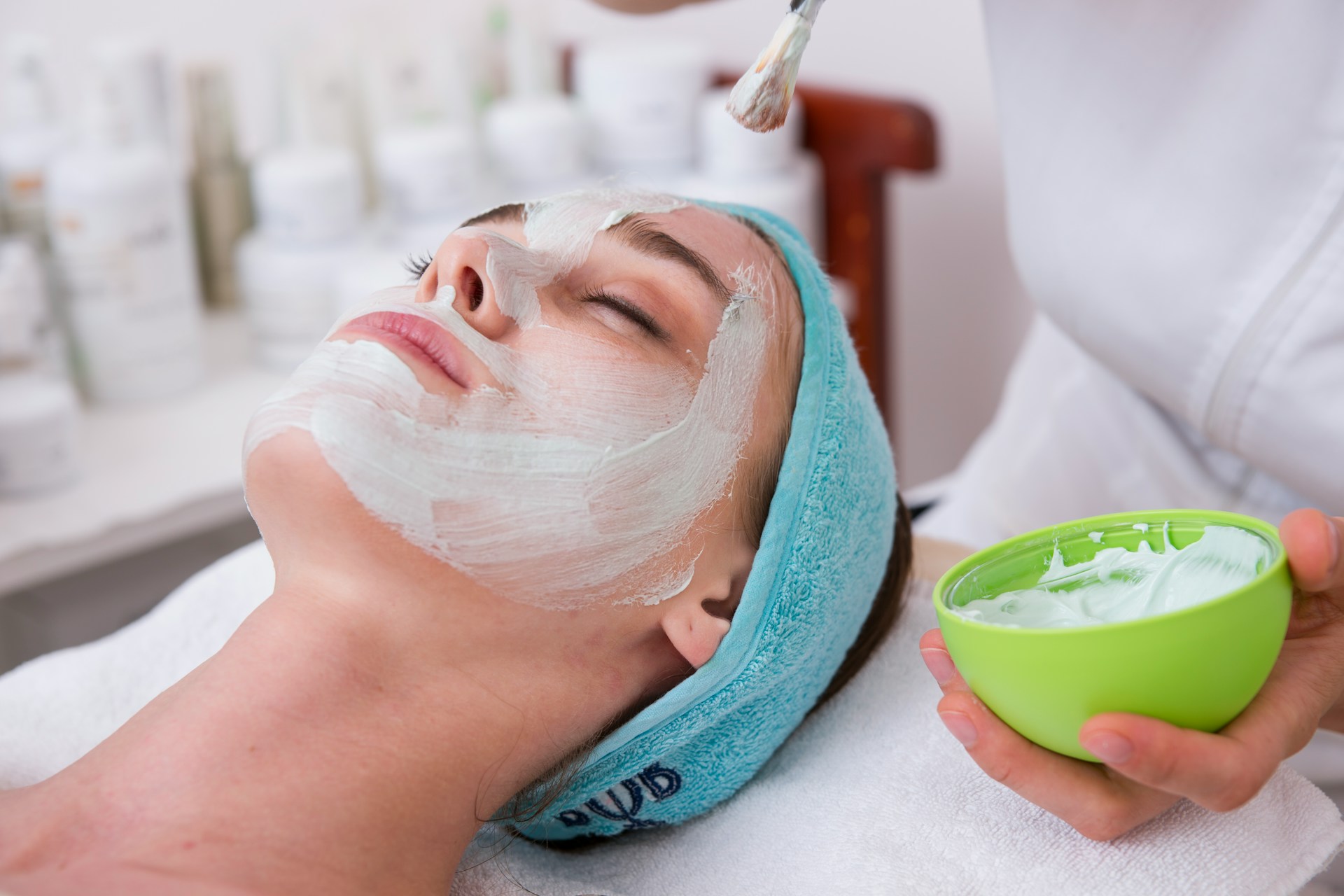
Japan takes skincare more seriously than almost any other country in the world — and it shows.
Clear, smooth skin with minimal blemishes is highly prized. Historically, pale skin has been considered beautiful in Japan, but modern attitudes have shifted: if your face is cute, skin tone matters much less than it once did.
What hasn’t changed is the obsession with texture. Smooth, even, glowing skin is the goal — which is why Japan’s skincare market is one of the largest and most sophisticated on the planet.
Body Type
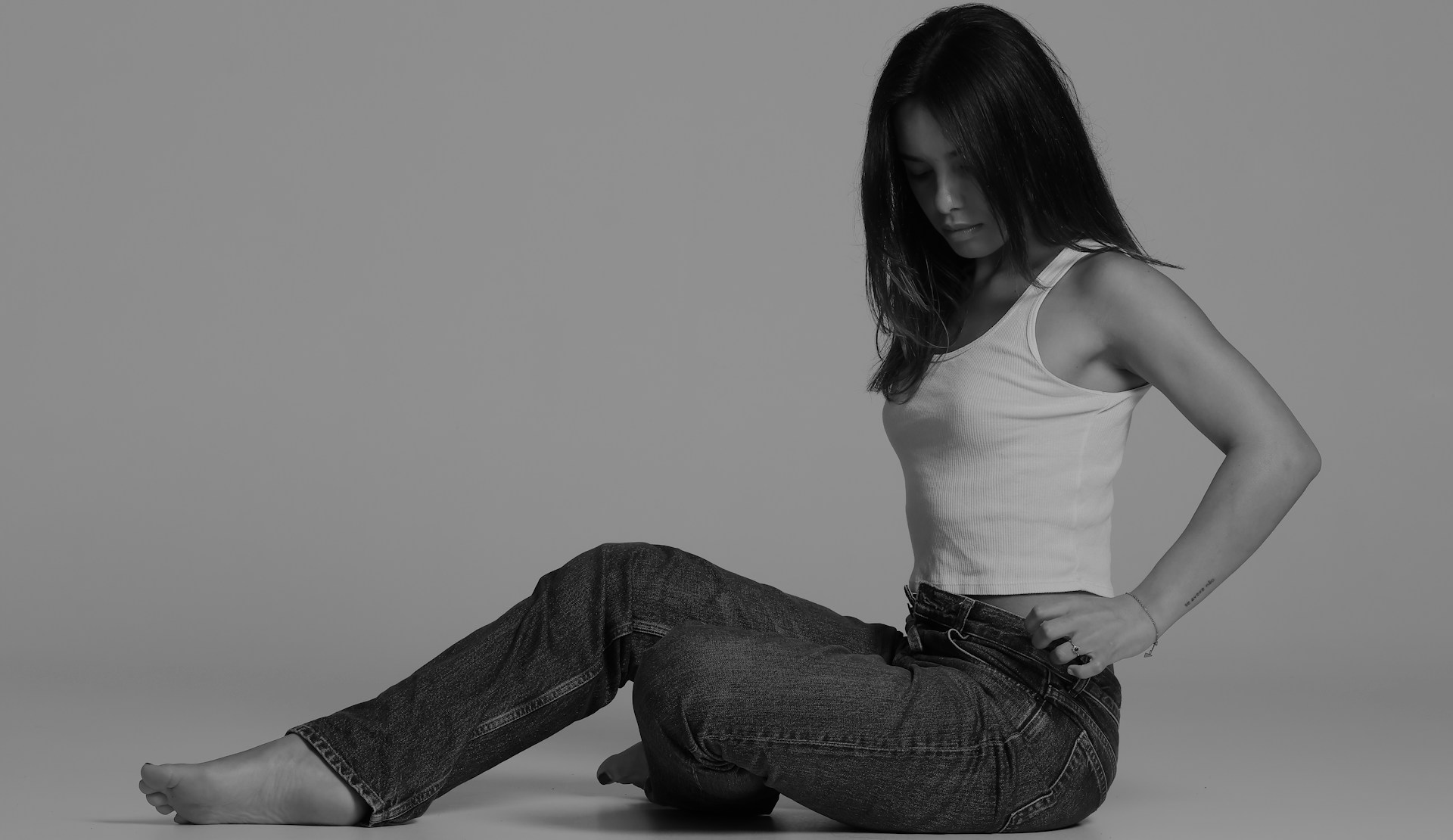
Slim and slender is the generally preferred body type in Japan.
But here’s where Japan differs significantly from Western beauty standards: curves, bust size, and hip size are not particularly emphasised. In many Western cultures, an hourglass figure is the ideal. In Japan, overall slimness tends to matter more than any specific proportions.
This isn’t universal — beauty standards are always evolving — but it’s a genuine difference worth noting.
Vibe and Personality
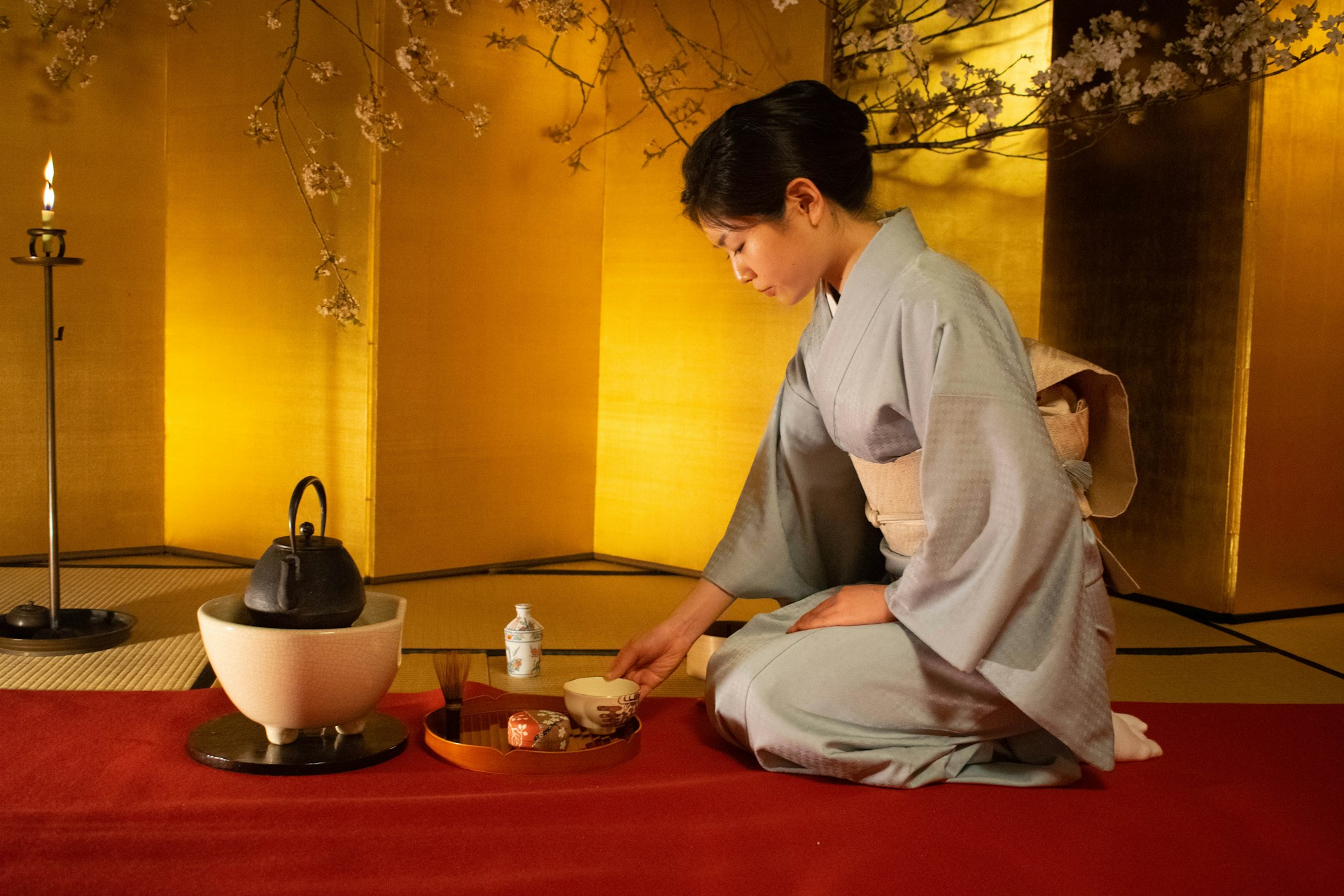
In Japan, kawaii isn’t just about how you look. It’s about how you make people feel.
- A gentle, unhurried way of speaking — calm, soft-spoken, never rushed
- Careful, considered manners — the way you eat, the words you choose, the way you move
- A softness that makes people want to protect you — not weakness exactly, but a kind of gentle vulnerability
The woman who is considered most kawaii in Japan isn’t necessarily the one who commands the room. It’s the one who makes you feel comfortable just being near her.
The Gestures That Make Japanese Hearts Melt
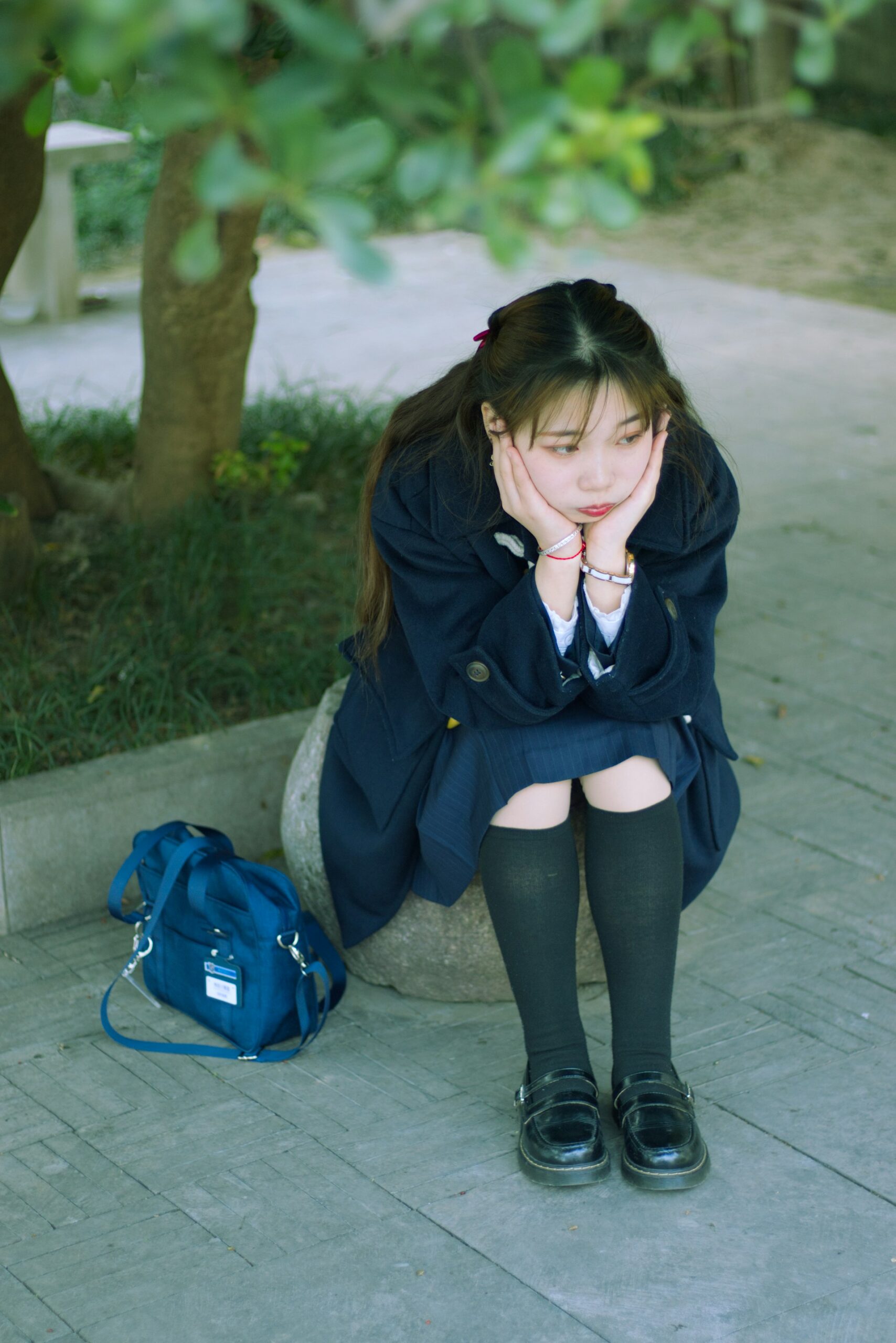
These are the gestures that Japanese people consistently describe as irresistibly kawaii — collected from widely shared opinions online.
😊 Running toward someone with a smile
When meeting up, rushing over with a big smile the moment you spot someone. “It shows she was looking forward to seeing me.” “Like a puppy.” “Makes you want to hug her.” The reason cited most often: it makes the other person feel genuinely wanted.
🍽️ Eating with obvious enjoyment
Visibly savouring food — eyes lighting up, genuine reactions. “Makes you want to take her out to eat.” “She’s not performing. She’s just happy.” Unselfconscious enjoyment is deeply kawaii.
👀 Looking up with upturned eyes
A slight upward glance — not calculated, just natural — communicates gentleness and closeness. Associated with trust and vulnerability.
🤝 Light, casual touch
Naturally touching someone’s arm or hand during conversation. Closes distance without announcing it.
👕 Grabbing someone’s sleeve
Reaching out and lightly holding someone’s sleeve. Communicates “I want to stay close to you” without words. Consistently described as something that makes people want to be protective.
💇 Tucking hair behind an ear / tying hair up
Small, unconscious hair gestures. Feminine, unplanned, easy to find endearing.
😤 Puffed cheeks when sulking
Slightly childlike, but in Japan, openly showing small emotions like mild frustration is read as honest and unguarded — which makes it kawaii rather than immature.
The Fundamental Difference
Western “beautiful” keeps you at a distance. You admire it. You don’t necessarily approach it.
Japanese “kawaii” pulls you closer. You want to protect it, be near it, root for it.
One is about impact. The other is about connection.
That difference shapes everything — from the way Japanese women do their makeup, to the way Japanese idols are designed, to the way romance is understood in Japan.
One Last Thought
Kawaii isn’t a checklist. It isn’t achieved by having the right features or performing the right gestures.
It comes from something more natural: being warm, being present, letting people in.
Which, when you think about it, is a pretty beautiful thing in itself.
What does “kawaii” mean to you? Leave a comment below — I’d love to know.


コメント