What should you eat in Japan?
There are so many famous dishes — but the truth is, most of them taste completely different from what you’d expect. Better, usually. Sometimes shockingly so.
Here’s an honest guide from someone who lives here, organised by budget.
💴 Budget-Friendly (Under ¥2,000)
1. Onigiri from a Specialist Shop 🍙
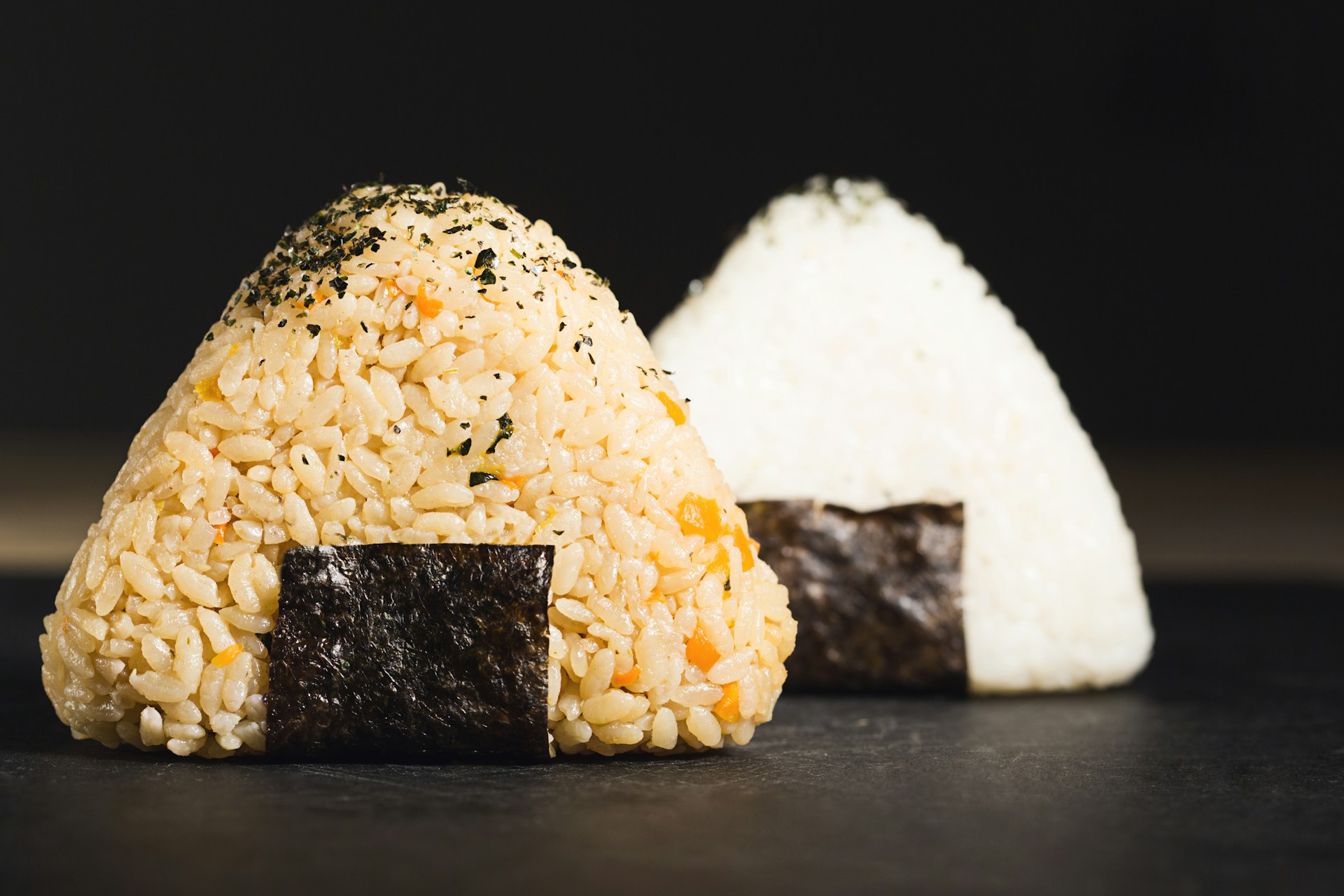
Convenience store onigiri is already good. But the specialist onigiri shops that have been appearing across Japan are something else entirely. Made fresh in front of you, with a wide range of fillings — it’s the purest expression of Japan’s love of rice.
From ¥300–600 per piece
2. Kaiten Sushi (Conveyor Belt Sushi) 🍣
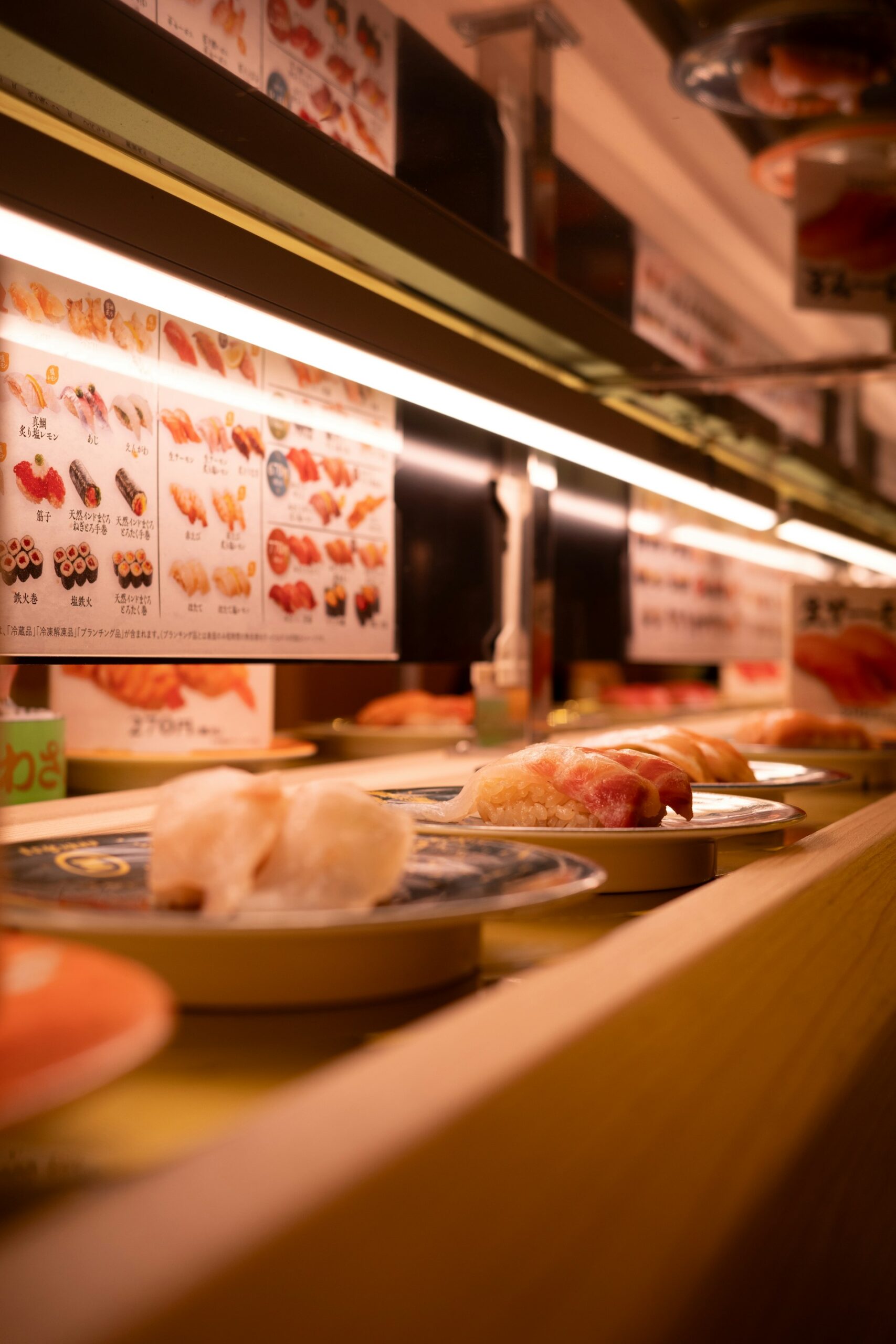
If you want to try Japanese sushi without committing to a full restaurant experience, conveyor belt sushi is the place to start. Plates come around on a belt, priced from around ¥100–300 each. Tuna, salmon, prawn, egg — try as many as you like.
Similar restaurants exist overseas now, but the freshness and variety in Japan is on a completely different level.
Around ¥1,000–2,000 per person
3. Ramen 🍜
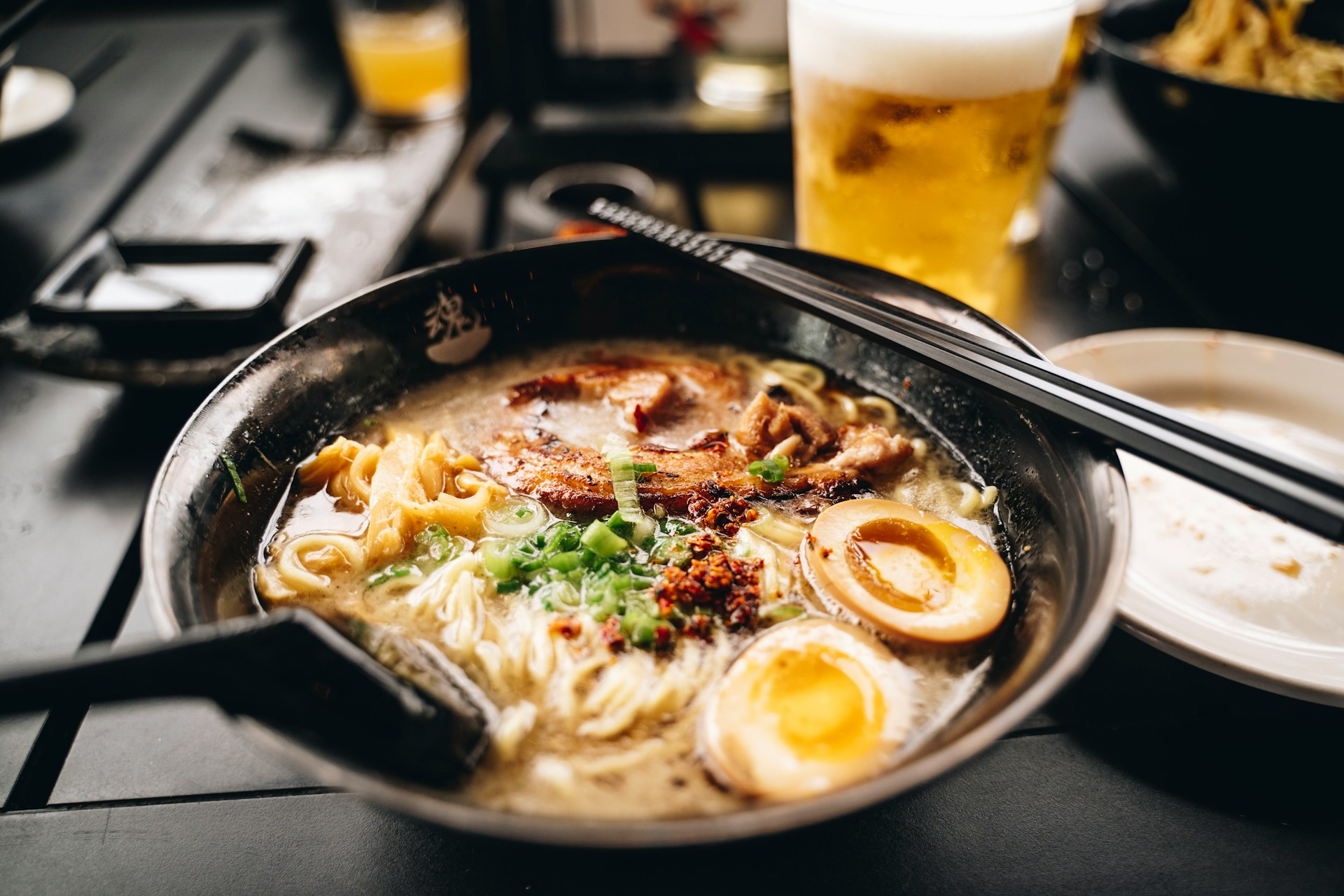
One bowl, around ¥800–1,200. Soy sauce, salt, miso, tonkotsu — the style changes completely depending on which region you’re in, and the broth can take a chef twelve hours to prepare.
If instant ramen is all you know, real ramen will be a revelation.
Around ¥800–1,500 per bowl
4. Curry Rice 🍛
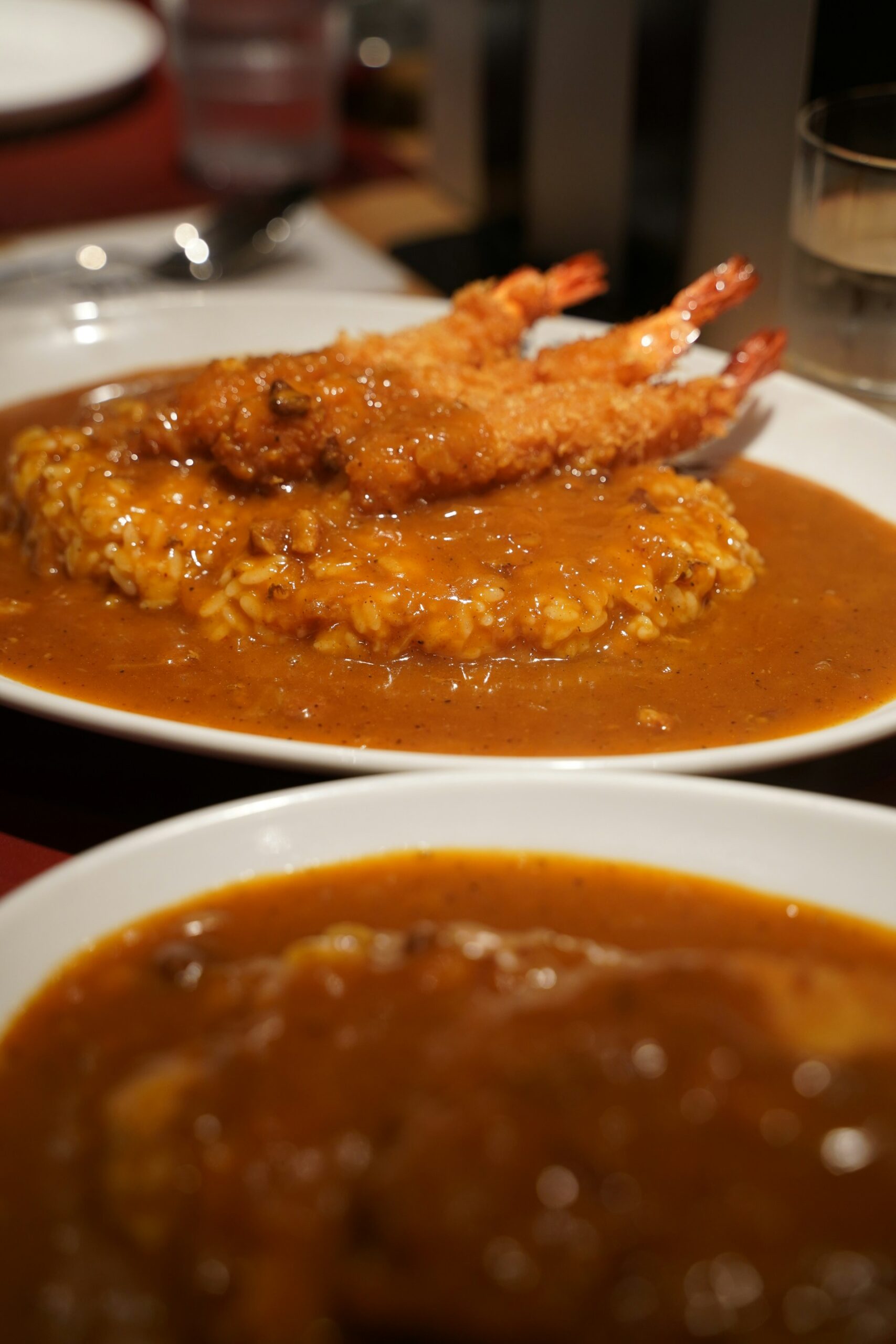
“But curry isn’t Japanese food.” Technically true — but Japanese curry is its own thing entirely. Thick, mild, slightly sweet sauce over rice. Nothing like Indian or Thai curry. Katsu curry (with a breaded cutlet on top) is especially worth trying.
Around ¥800–1,500 per meal
5. Yakitori 🍢
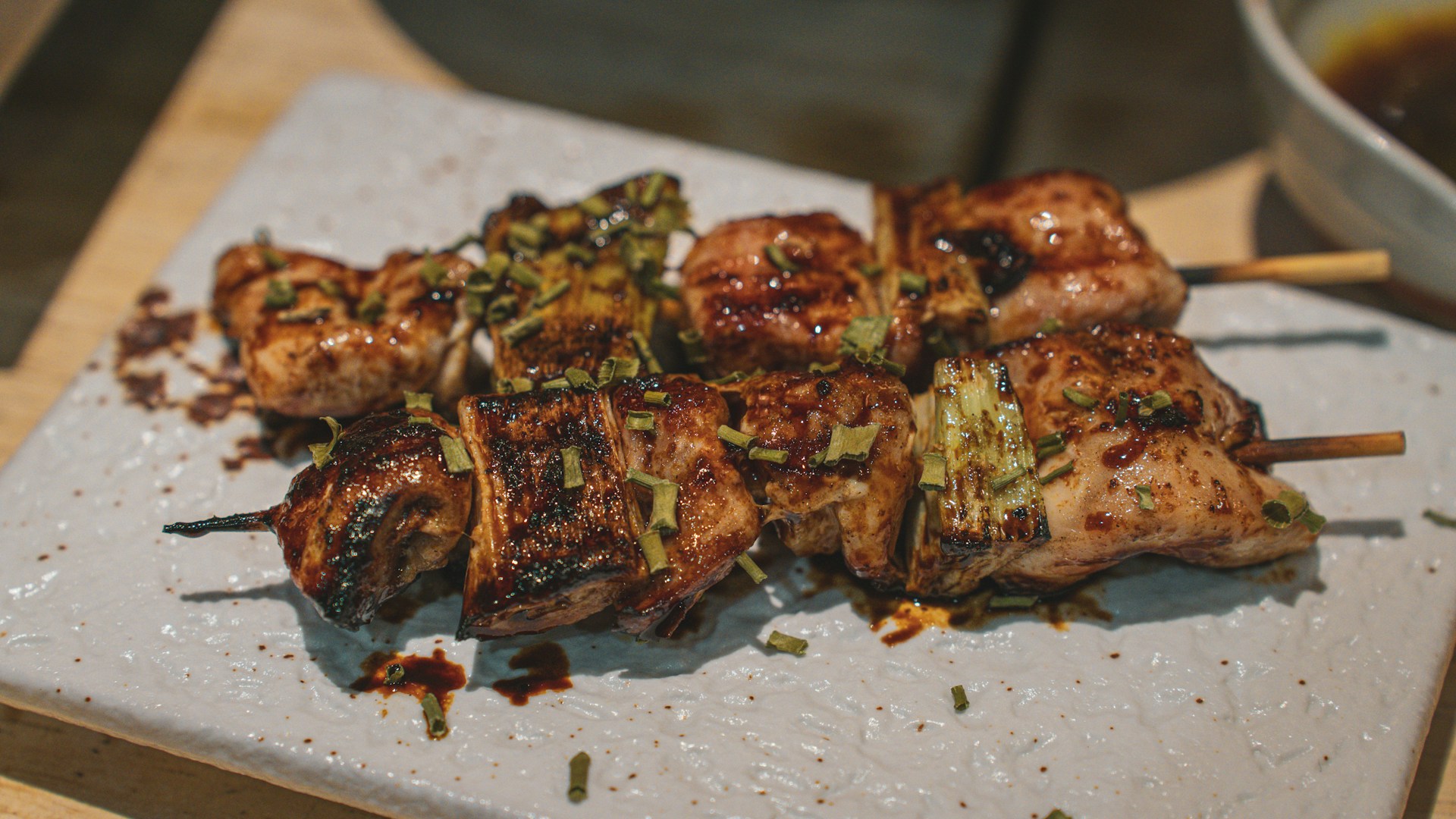
Chicken skewers grilled over charcoal. Simple, but surprisingly deep. Salt or tare sauce, and each cut — thigh, leek, meatball, cartilage — tastes completely different. Best eaten at an izakaya with a cold beer.
Around ¥100–200 per skewer
6. Tempura Don / Standing Tempura 🍤
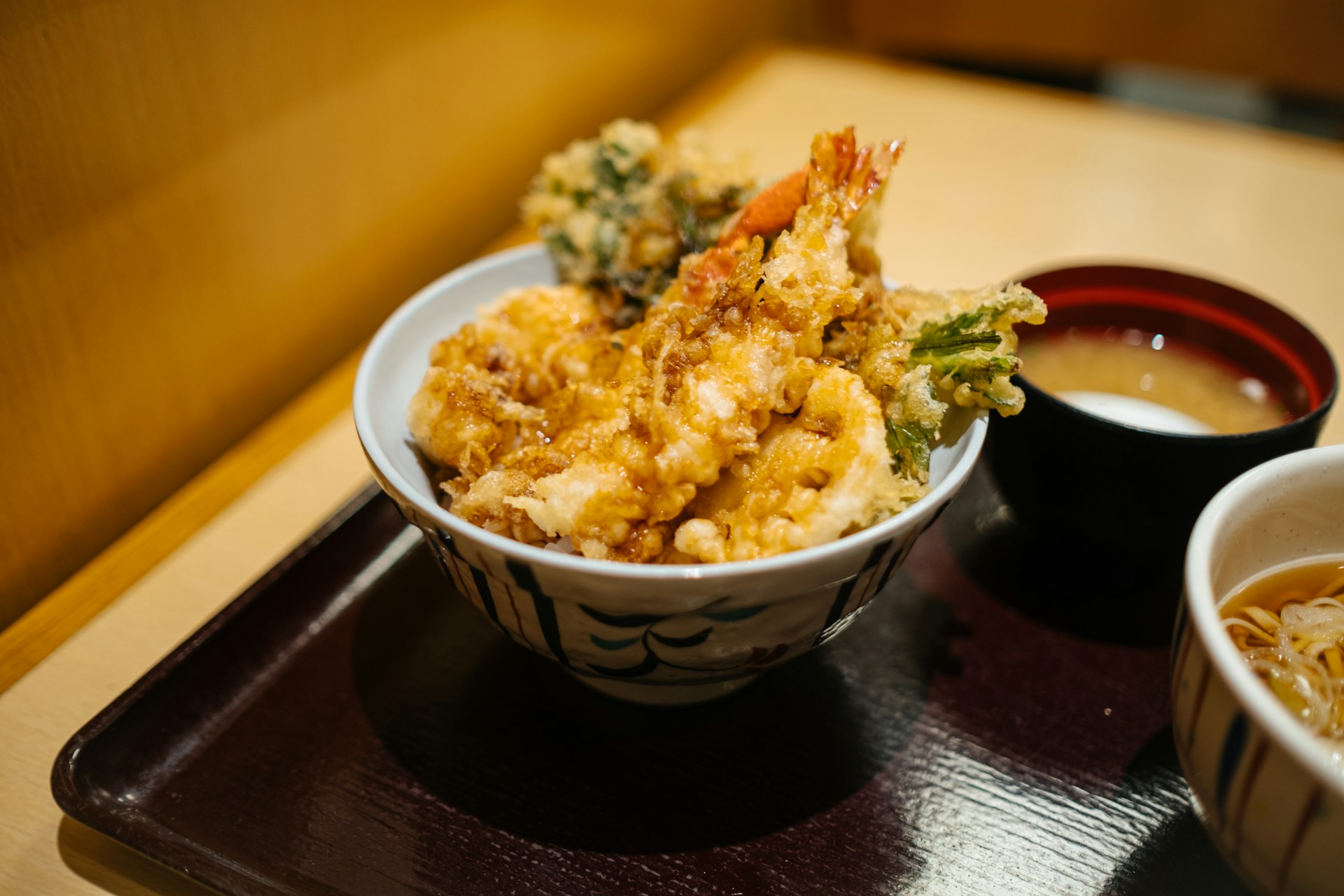
For a casual introduction to tempura, try a tempura don (tempura over rice with a sweet sauce) or a standing tempura bar. The batter is thin and light — completely unlike the heavy fried food you might know from elsewhere. The ingredients shine through.
Around ¥800–1,500 per meal
7. Matcha Sweets 🍵
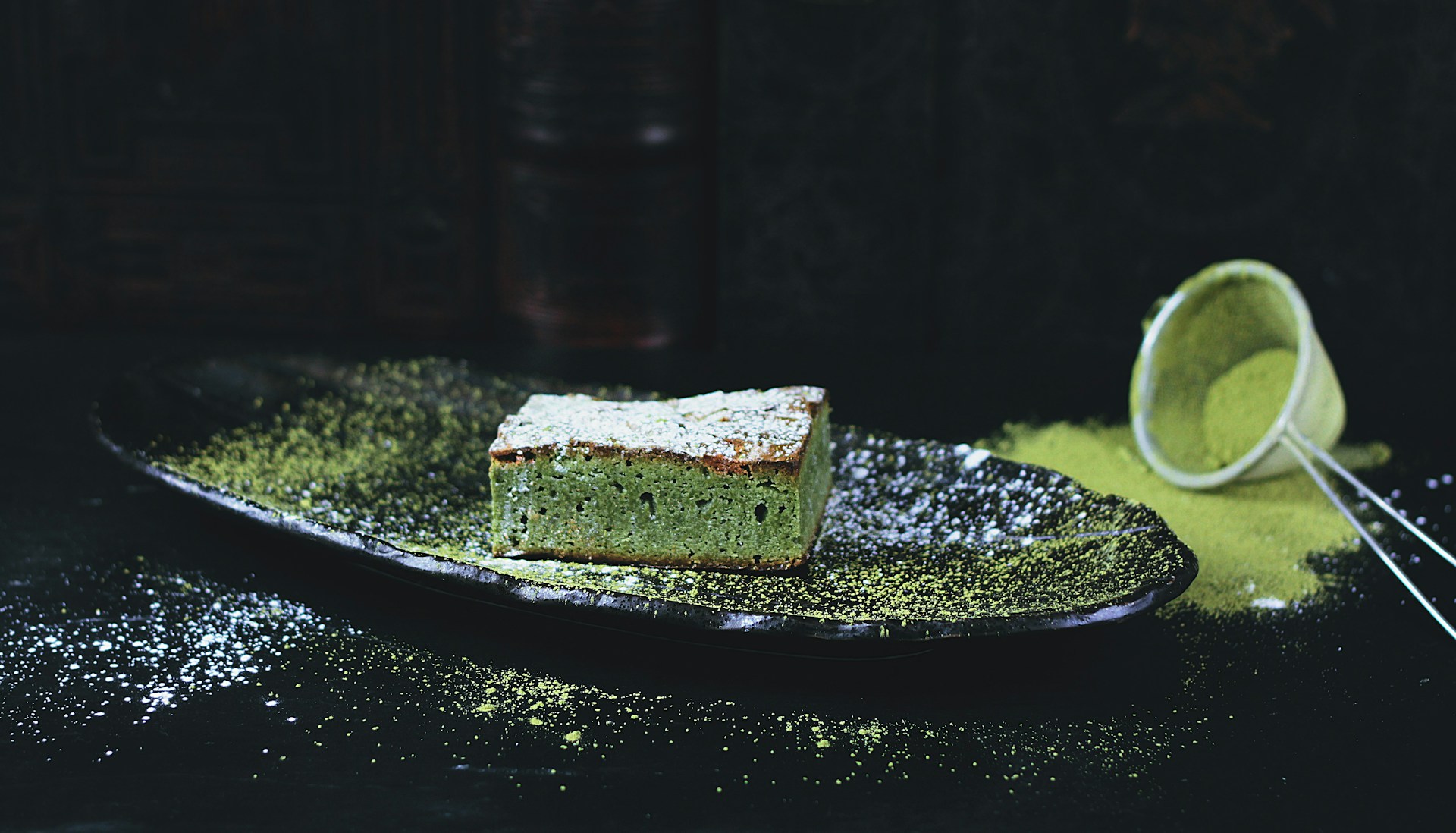
Whatever “matcha flavour” means where you’re from, forget it. Real matcha has a balance of bitterness and sweetness that’s genuinely hard to find outside Japan. Try it in a parfait, ice cream, cake, or warabi mochi. Kyoto is the best place to do this properly.
Around ¥500–1,500 per item
💎 Worth Splurging On (¥3,000+)
8. Omakase Sushi (Counter Sushi) 🍣

A completely different world from conveyor belt sushi. The chef stands in front of you and makes each piece by hand. The temperature of the rice, the freshness of the fish, the skill of the chef — all of it in one bite.
This is the pinnacle of Japanese food culture. Worth every yen at least once.
From ¥10,000–30,000 per person
9. Counter Tempura 🍤
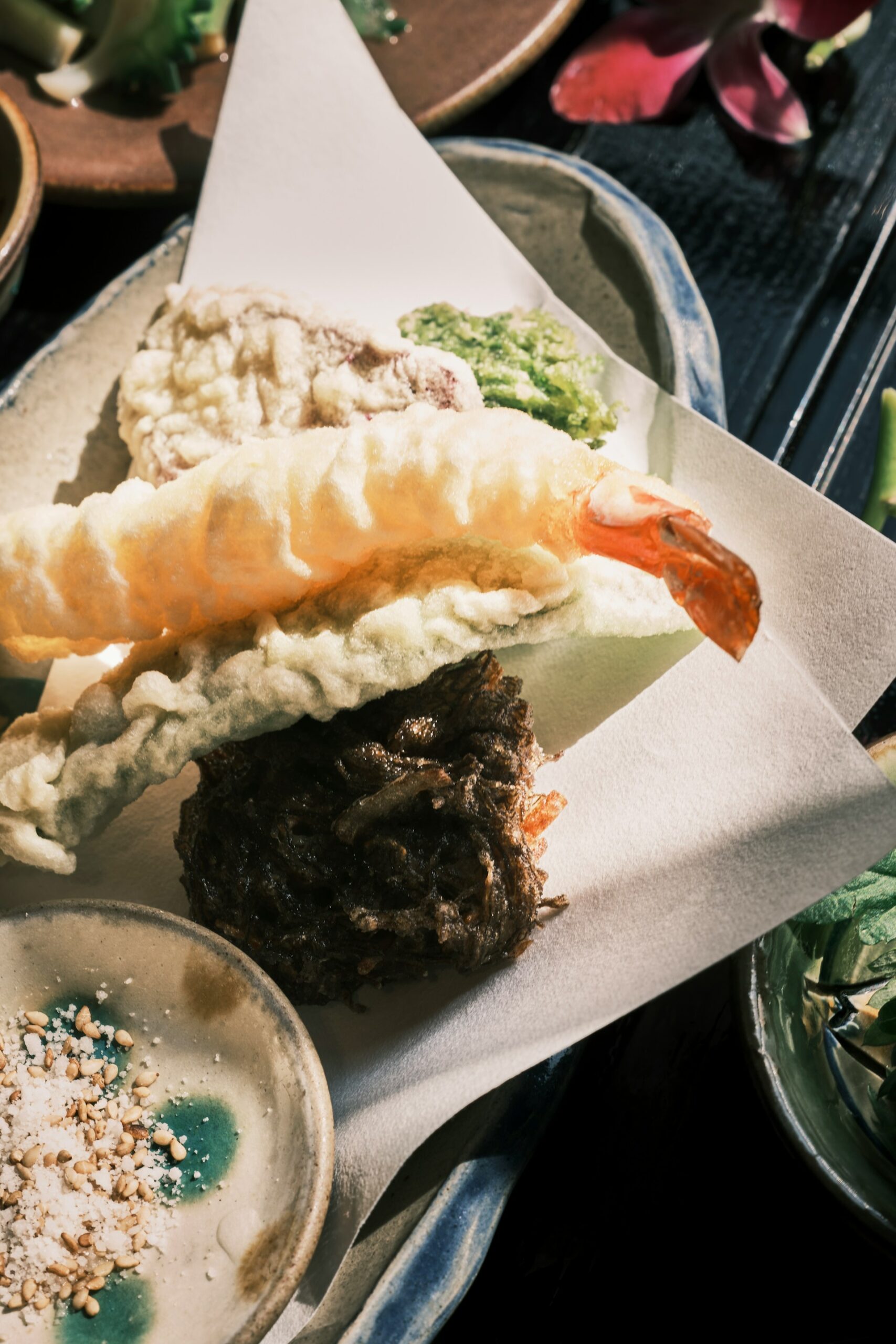
A chef fries each piece individually in front of you, choosing the oil temperature and timing for each ingredient. The result is a batter so light it almost disappears — leaving only the pure, sweet flavour of the ingredient inside.
This is what tempura actually is. Nothing like anything you’ve had before.
From ¥8,000–20,000 per person
10. Hitsumabushi 🍚

Nagoya’s signature dish. Grilled eel over rice, eaten three ways:
First portion: as is Second portion: with condiments (wasabi, spring onion, nori) Third portion: with dashi poured over, like ochazuke
Three completely different experiences from one bowl. If you visit Nagoya, this is non-negotiable.
Around ¥3,000–5,000 per person
11. Sukiyaki 🥩
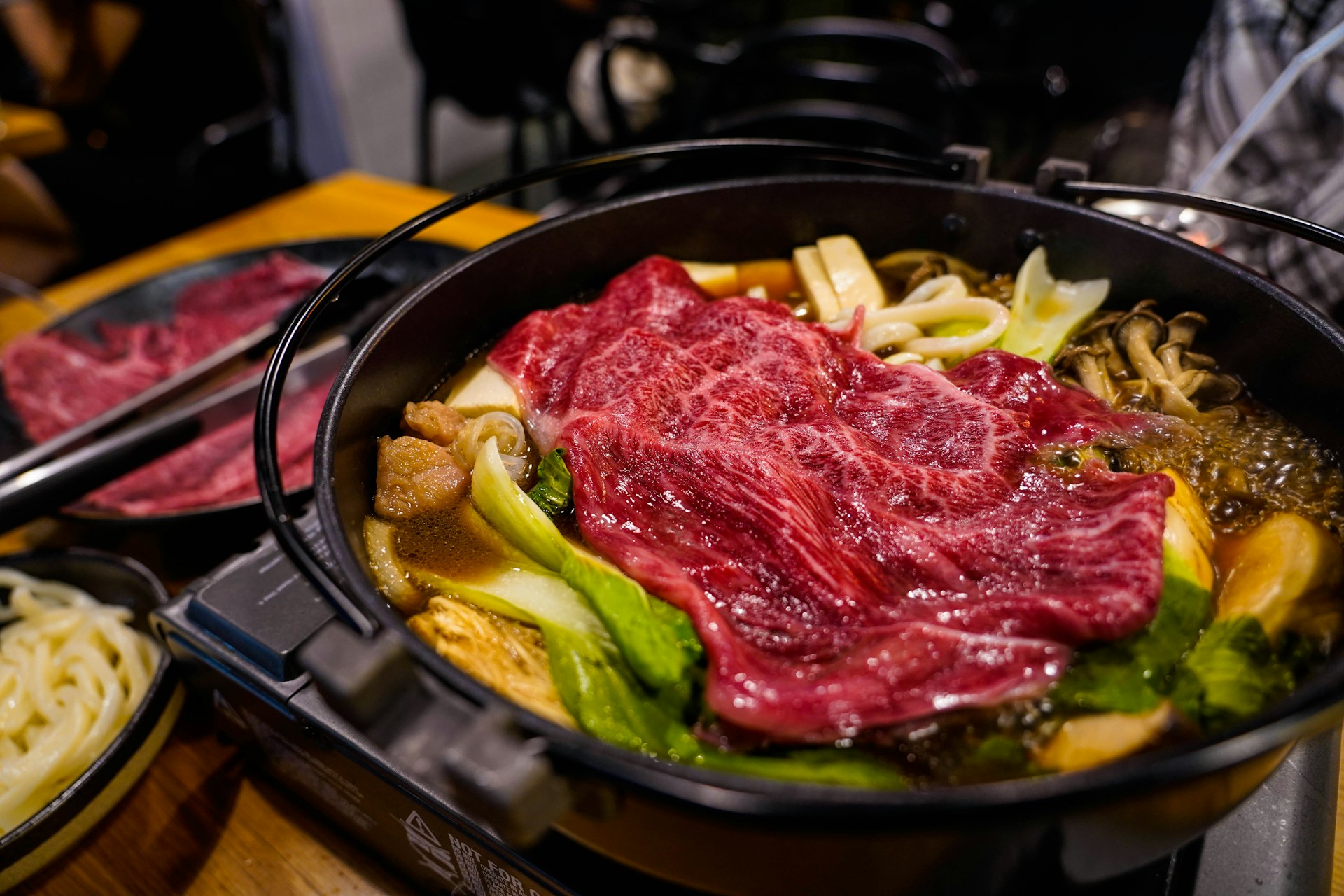
Thinly sliced wagyu beef simmered in a sweet soy broth, then dipped in raw egg before eating.
The raw egg is usually what surprises people most. But the creaminess it adds to the rich, sweet beef is genuinely something else.
Japanese wagyu is fundamentally different from beef in other countries. In America, lean cuts with little fat tend to be preferred. Japanese wagyu is defined by its marbling — fine fat running through the meat — which gives it a meltingly tender, almost sweet quality. The thinly sliced style of beef is also uniquely Japanese; you won’t find it in most other countries.
Around ¥3,000–8,000 per person
12. Shabu-Shabu 🫕
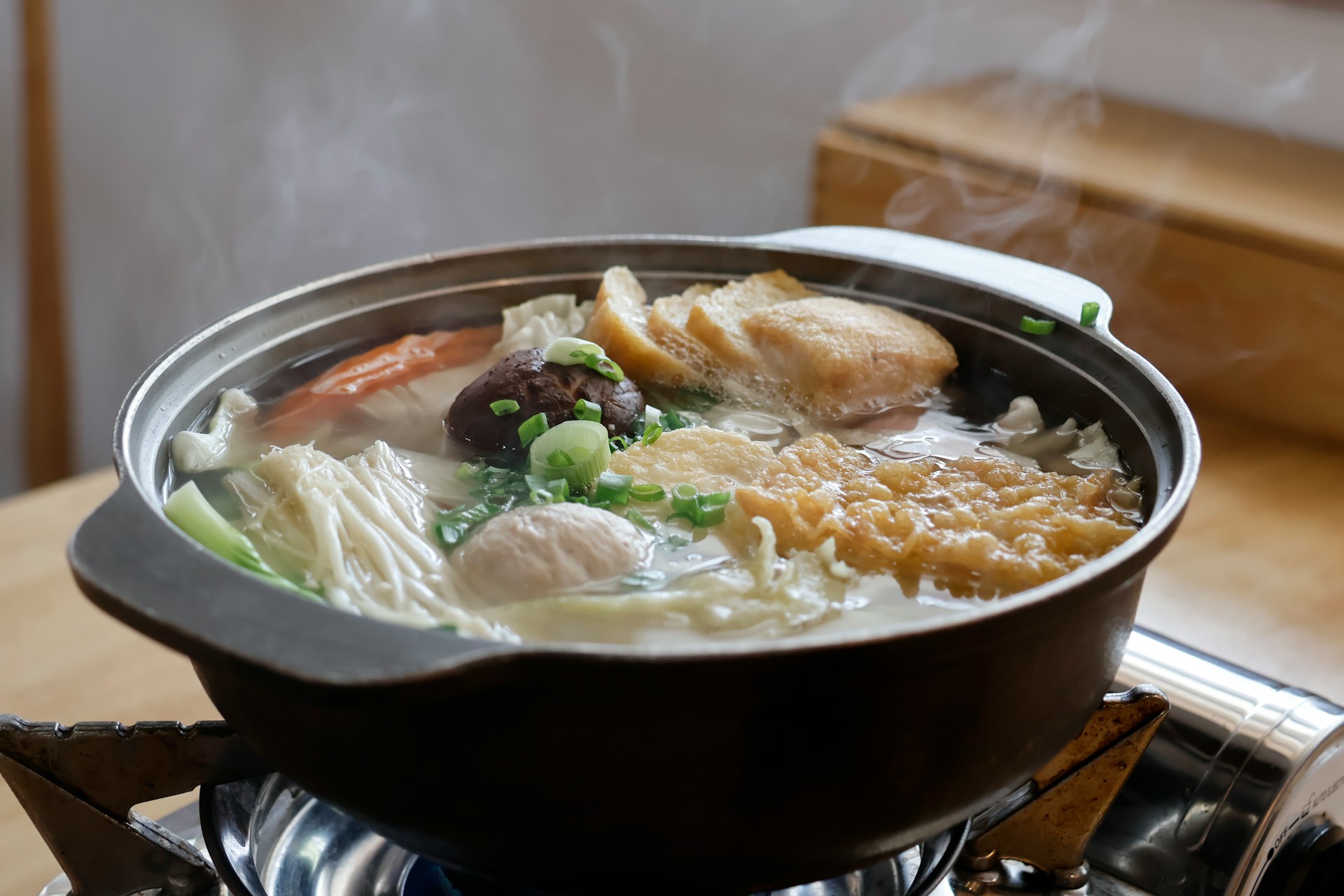
Thinly sliced beef or pork, swished briefly through hot dashi broth, then dipped in ponzu or sesame sauce. The name comes from the sound of the meat being swirled through the liquid.
Lighter and cleaner than sukiyaki — a different way to experience Japan’s unique thinly-sliced meat culture.
Around ¥3,000–8,000 per person
13. Wagyu Yakiniku 🔥
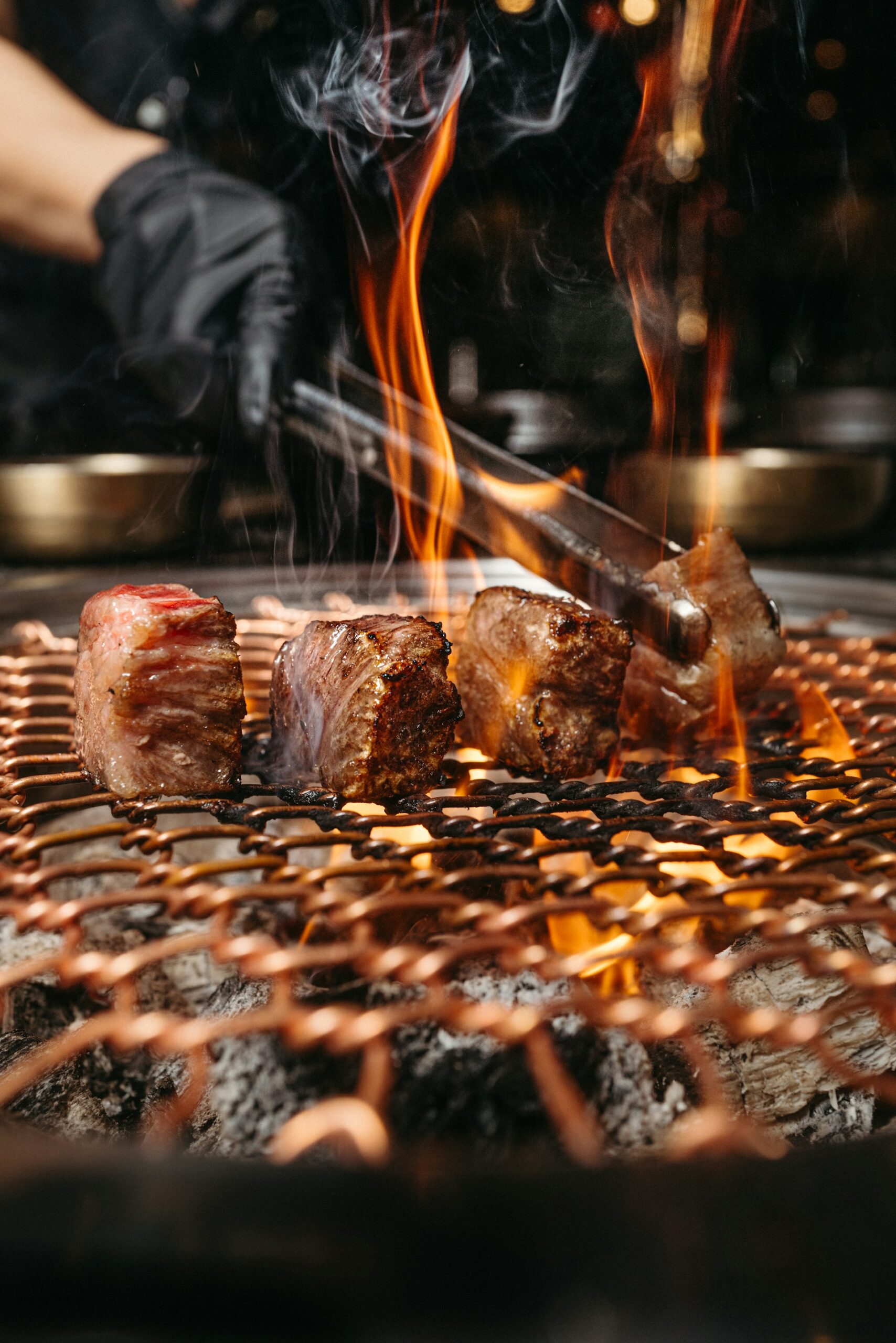
Japanese-style BBQ — grilling wagyu cuts over charcoal or a hot plate at your table. The marbling of high-grade wagyu is unlike beef anywhere else in the world. It melts in your mouth, with a richness and sweetness that’s genuinely hard to describe.
Tongue, short rib, loin, offal — each cut is a different experience. And grilling it yourself is half the fun.
Around ¥3,000–10,000 per person
14. Kaiseki — Eating the Season 🎋

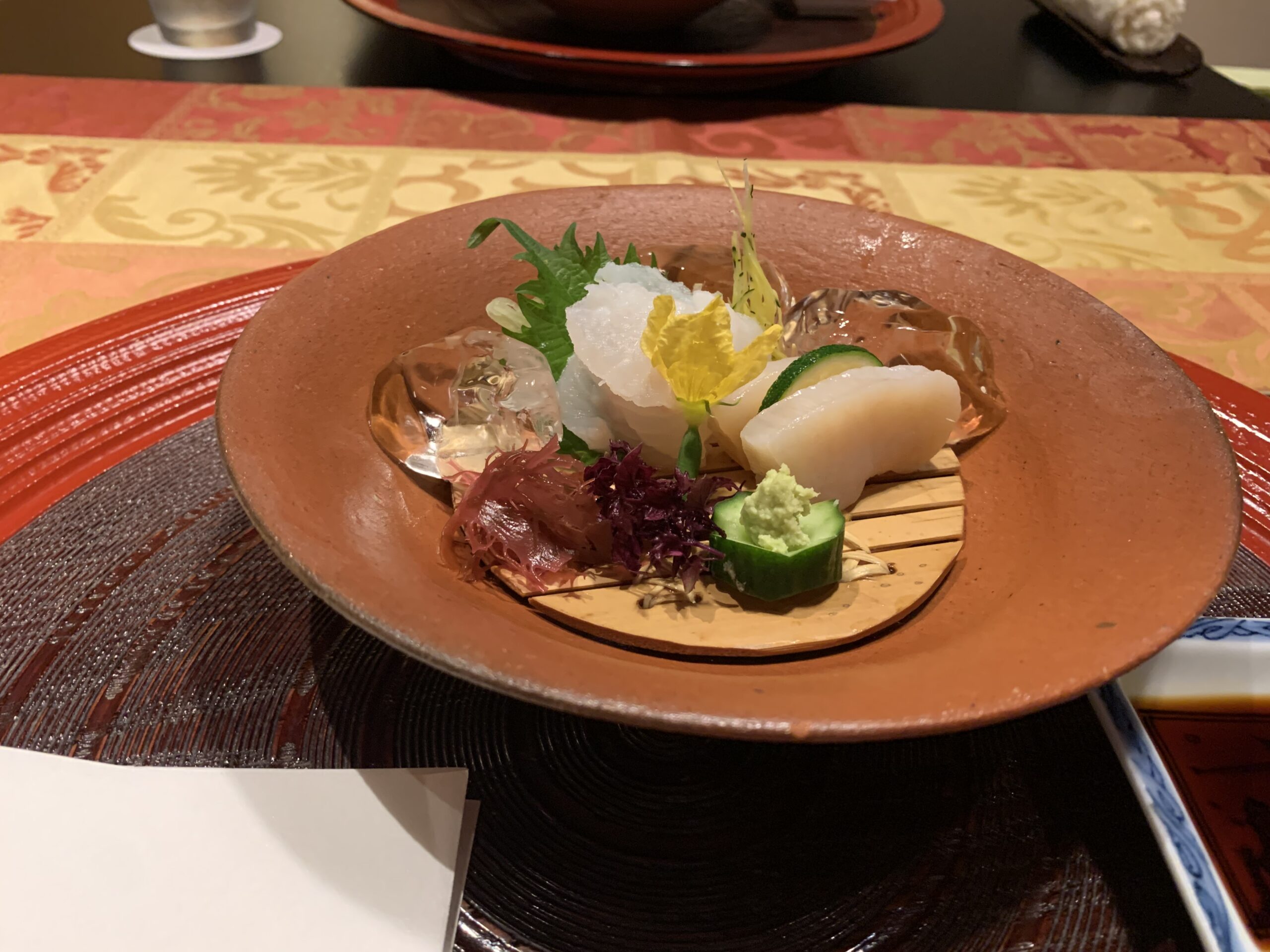
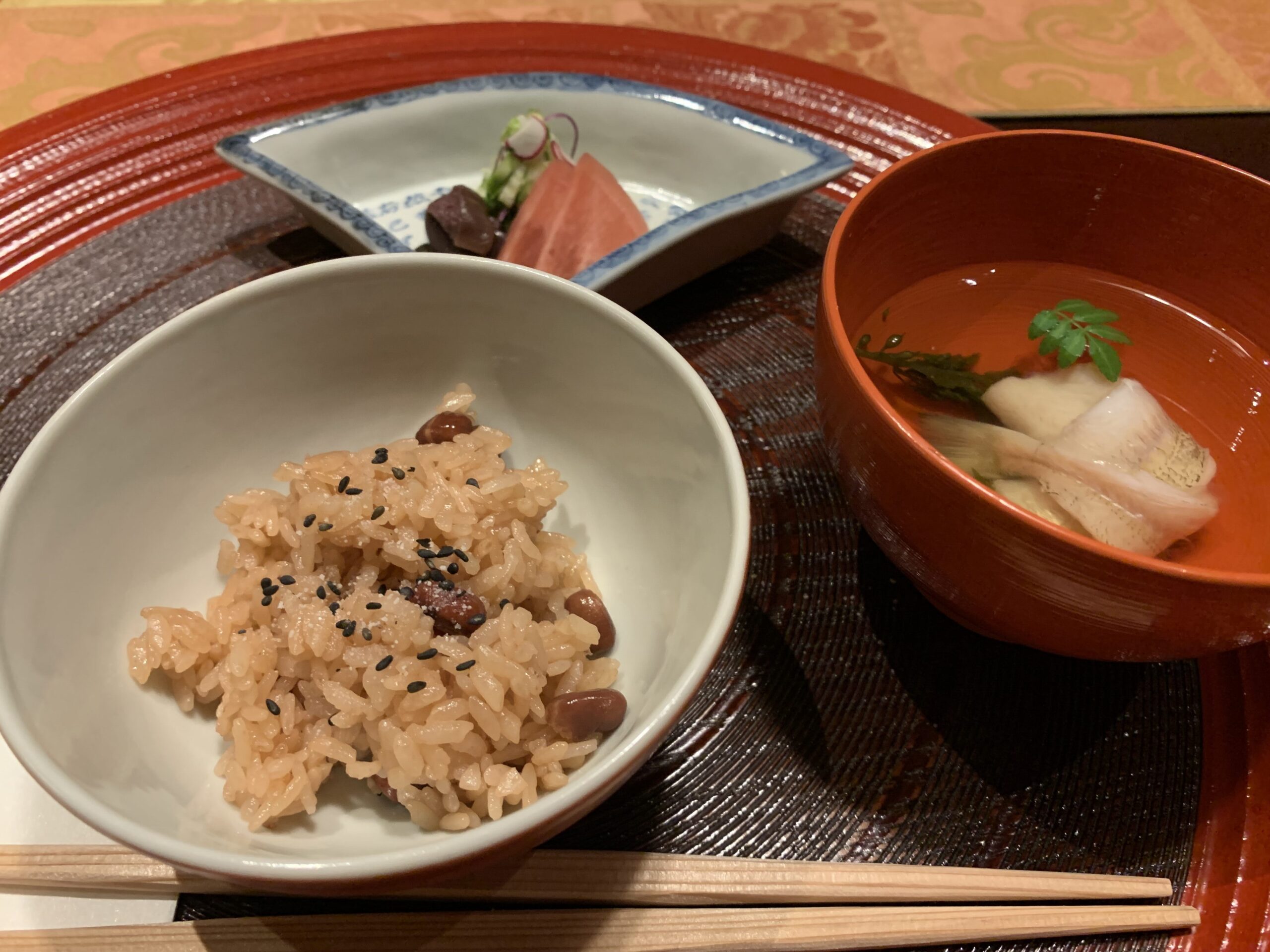
Kaiseki is the pinnacle of Japanese cuisine. Each dish reflects what nature is offering at that exact moment — spring, summer, autumn, winter. Served slowly, piece by piece, kaiseki isn’t just about filling your stomach. It’s about quieting the mind.
More on this in a separate article.
From ¥10,000–30,000 per person · Advance reservation required
Closing
Whether you’re grabbing a ¥300 onigiri or booking a kaiseki dinner, Japanese food will surprise you. Not just with how good it is — but with how different it is from anything you thought you knew.
Eat everything you can.
Which dish are you most excited to try? Leave a comment below!

コメント