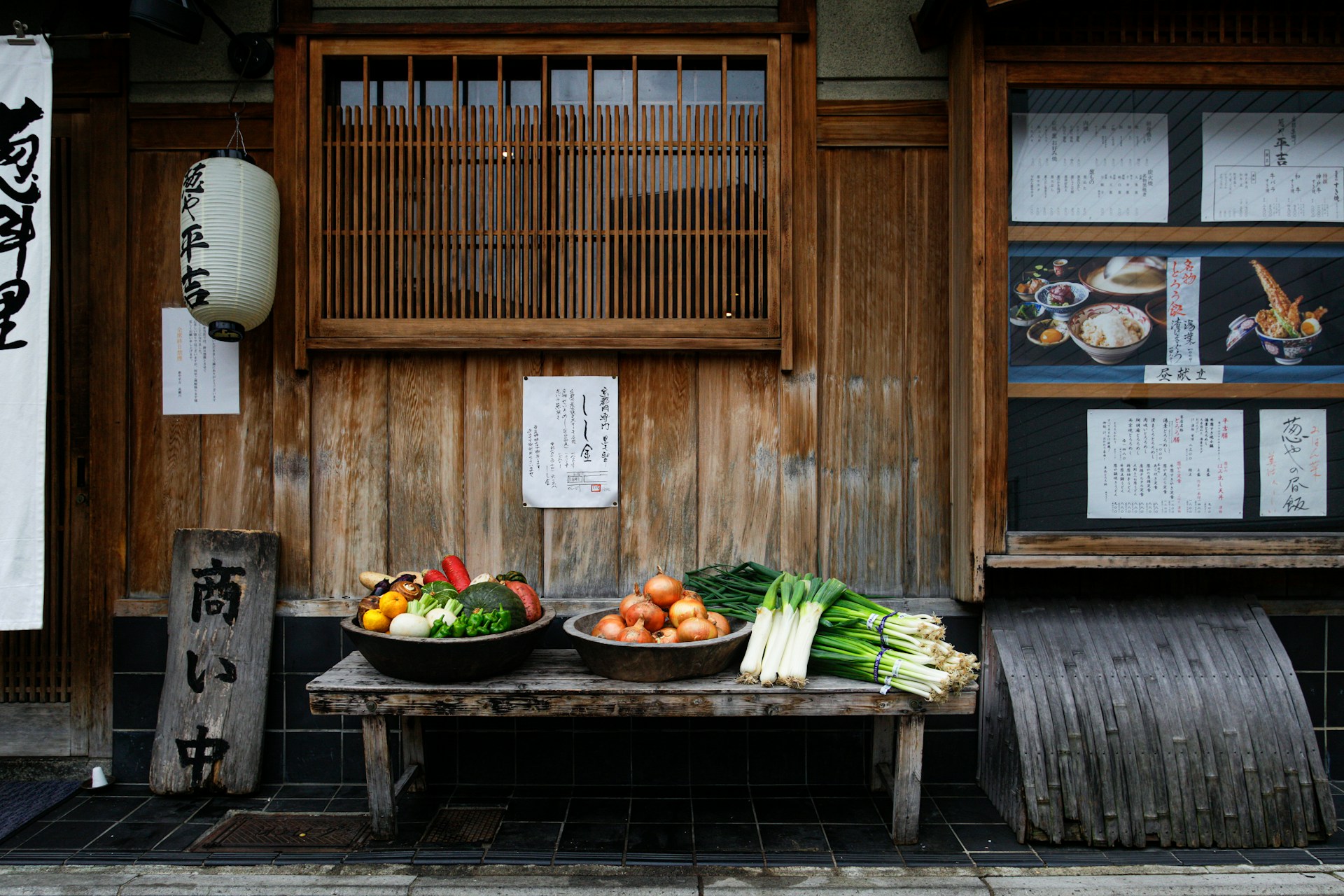
It’s one of the first things visitors notice.
The tomatoes are sweeter. The rice is different. The fruit costs more — but one bite explains why. Even convenience store food tastes better than it has any right to.
Why?
As a Japanese person, I want to give you a real answer — not just “Japanese people care about quality.” That’s true, but it’s not the whole story.
🌧️ Strength #1: Water
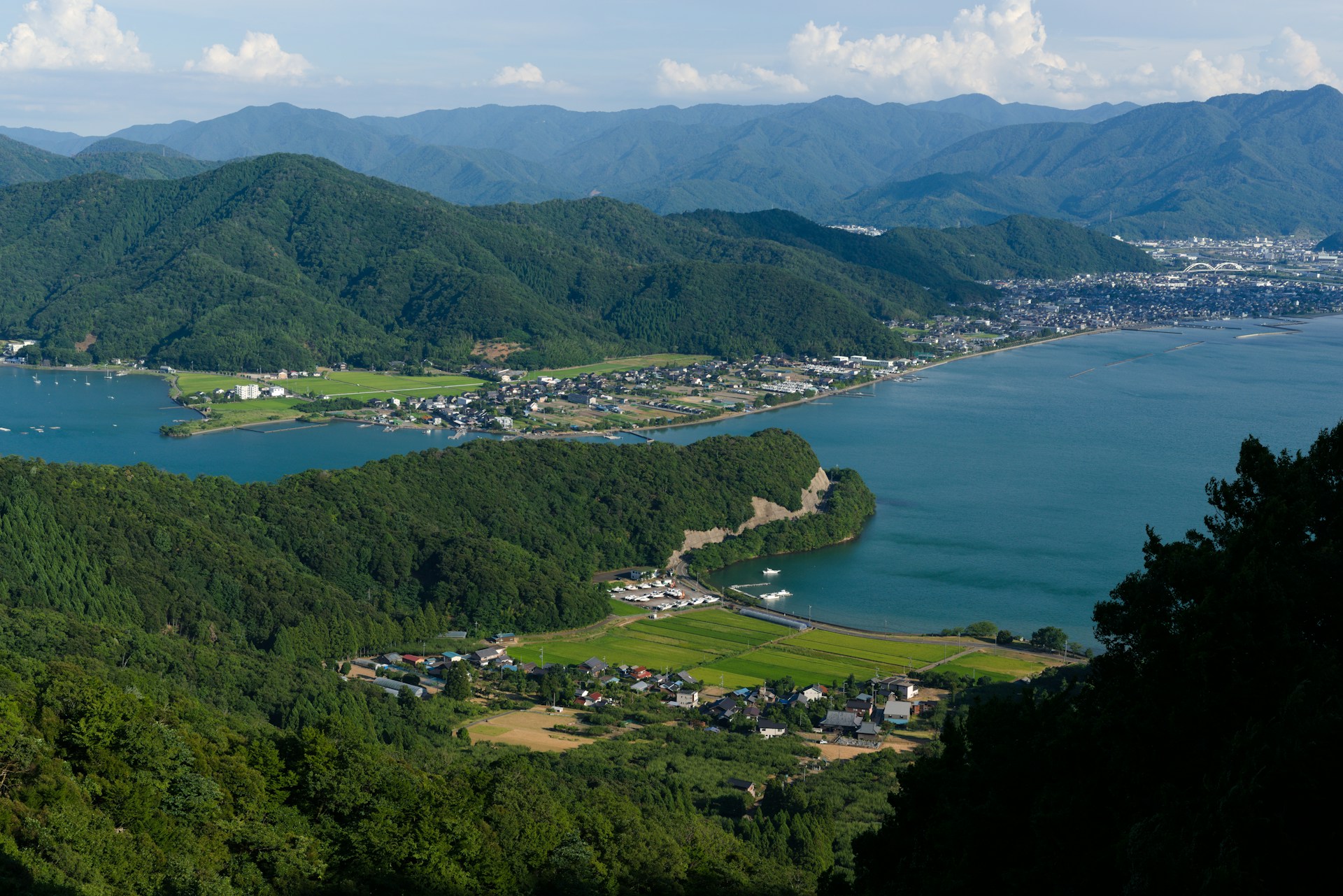
Japan receives a lot of rainfall and has an abundance of rivers. Water shortages are rare — and that matters enormously for agriculture.
Rice, vegetables, fruit, tea — all of these need consistent, high-quality water to grow well. Japanese water is soft water, which means it’s gentle on ingredients and tends to draw out natural flavours rather than overwhelming them.
This is part of why Japanese rice tastes the way it does. Why the dashi broth is so clean. Why the tea is so delicate. The water isn’t incidental — it’s foundational.
🌸 Strength #2: Four Distinct Seasons
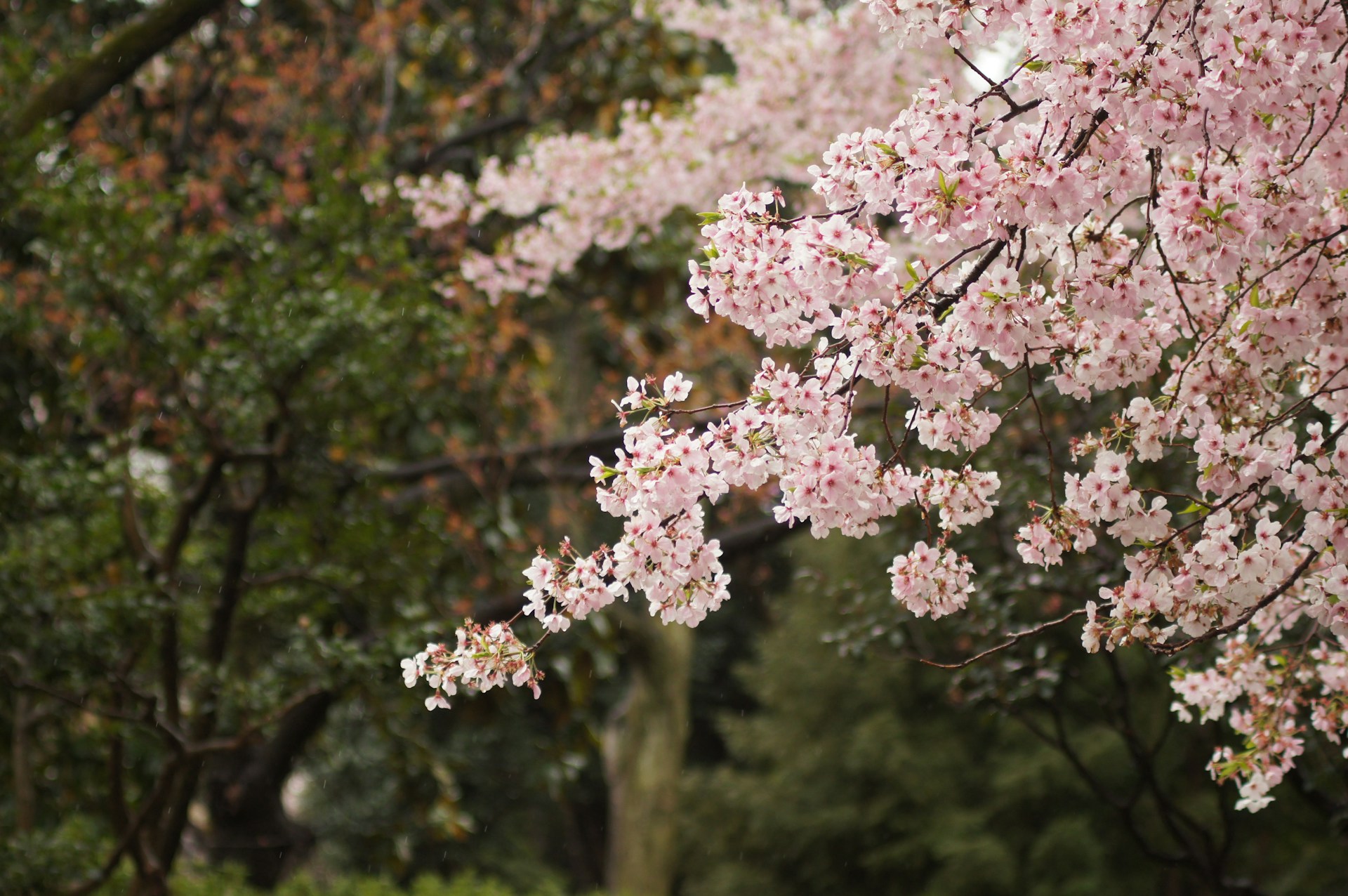
Japan has clearly defined spring, summer, autumn, and winter — and each season produces completely different crops.
- Spring: strawberries, bamboo shoots, rapeseed flowers
- Summer: corn, tomatoes, peaches
- Autumn: apples, grapes, sweet potatoes, chestnuts
- Winter: mandarin oranges, Chinese cabbage, daikon radish
Few countries can grow this range of produce within their own borders. And food eaten in season — at its natural peak — is simply better. More nutritious, more flavourful, more alive.
🌋 Strength #3: Volcanic Soil
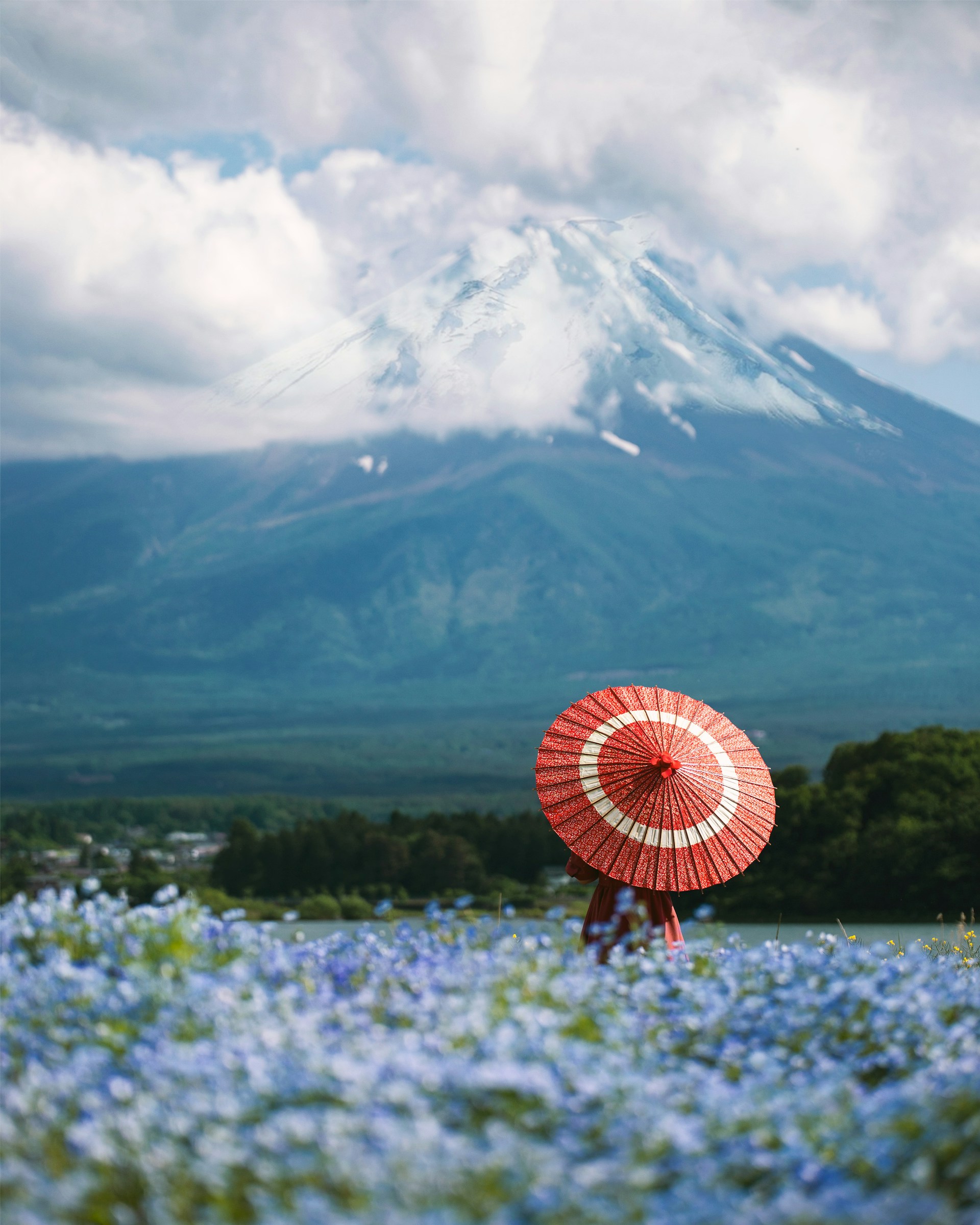
Japan is a volcanic country, and volcanic ash soil is mineral-rich. When managed well, it produces exceptionally high-quality agricultural products.
This is one of the reasons Japanese fruit and vegetables are often noticeably sweeter and more flavourful than their equivalents elsewhere. The soil itself contributes something.
⚠️ But Japan Has Weaknesses Too — Being Honest
Japan’s agricultural advantages come with real limitations.
Limited flat land
About 70% of Japan is mountainous. There simply isn’t room for the vast agricultural plains that exist in the United States, Canada, or Brazil — countries where hundreds of hectares can be farmed with large machinery in a single operation. In terms of production efficiency and scale, Japan can’t compete.
Frequent natural disasters
Typhoons, heavy rain, earthquakes, volcanic eruptions — these are regular features of Japanese life, and they pose significant risks to agriculture every year.
Volcanic soil isn’t automatically easy
Mineral-rich volcanic soil also tends to be highly acidic and can bind phosphoric acid in ways that make it harder for plants to absorb nutrients. Without careful management, it can actually be difficult to farm. Which brings us to the real reason Japanese food tastes so good.
👨🌾 The Real Reason: The Farmers
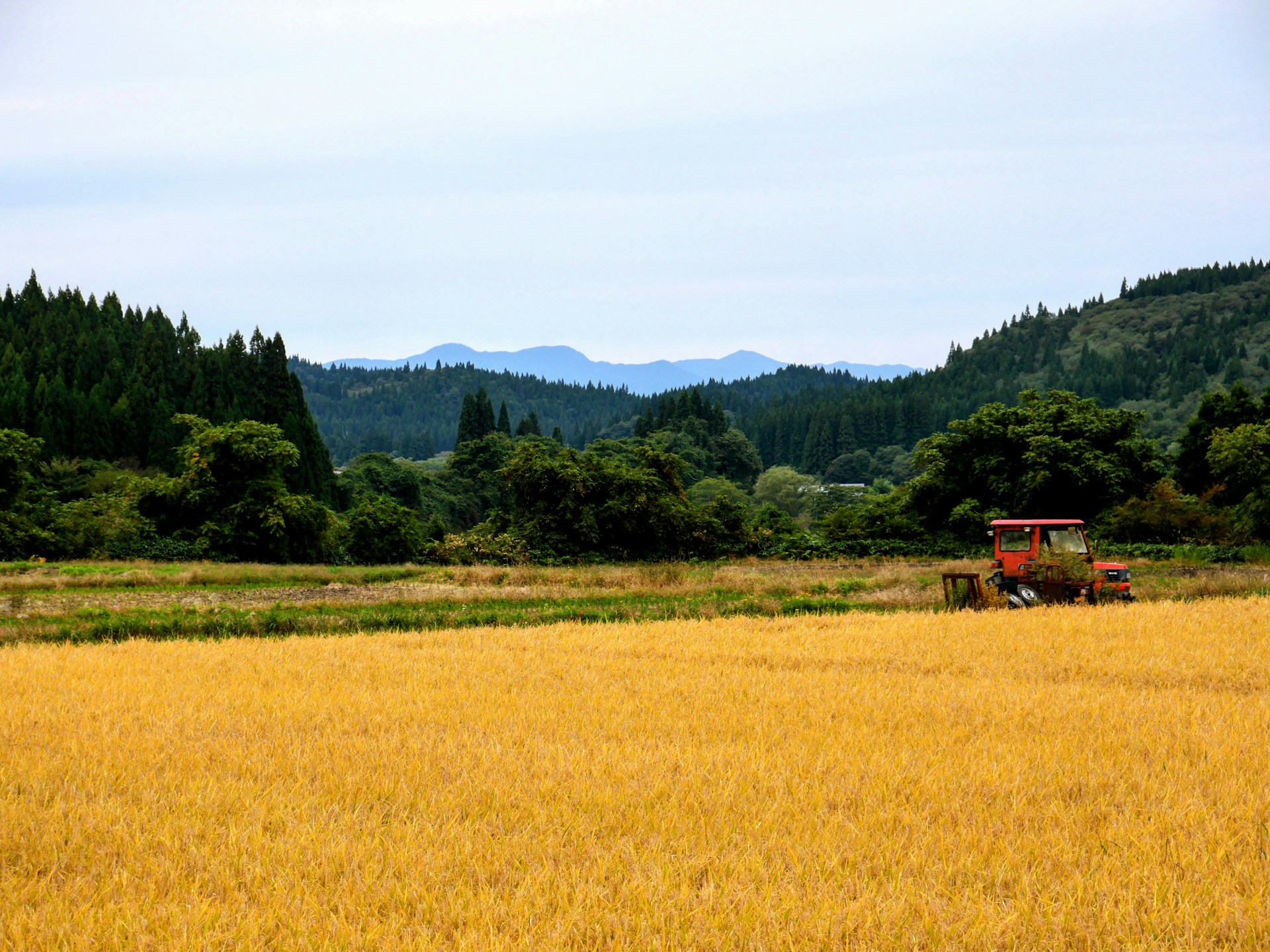
Given these constraints, the quality of Japanese produce comes down to one thing above all else: the skill and dedication of Japanese farmers.
Small farms mean individual attention
Take corn. A Japanese farmer growing corn on a small plot will check each stalk individually. They’ll thin the crop at precisely the right moment, adjust fertiliser application based on what they observe, and judge the harvest date down to a single day.
On a farm covering tens of thousands of plants, that level of individual attention isn’t possible. Scale and care are in tension. Japan, by necessity, chose care.
Japanese consumers are demanding
Japanese people have high standards for what they eat. Sweetness, appearance, absence of blemishes, uniform size — these things matter to Japanese consumers in a way that shapes the entire market.
Farmers have responded to this pressure over generations. The result is produce that meets a standard most countries don’t ask for.
🌽 A Local Note: Corn From Tahara, Aichi
I grew up in Aichi Prefecture, and the corn from Tahara — a small city in the south of the prefecture — is something locals talk about with genuine pride.
The warm climate and the careful attention farmers give each plant produces a sweetness that’s hard to describe if you’ve only had regular supermarket corn. It’s the kind of thing that makes you understand what corn is actually supposed to taste like.
Japan has many places like this — regional specialities that never become famous nationally, but that people who know, know. Seeking them out is one of the real pleasures of travelling here.
The Short Answer
Japanese food tastes better because of a combination of factors that reinforce each other: abundant water, seasonal variety, mineral-rich soil, and — most importantly — farmers who treat their work as a craft rather than a commodity, serving consumers who would notice the difference.
None of these elements alone would be enough. Together, they produce something that visitors consistently find remarkable.
When you eat in Japan, you’re tasting all of it at once.
What’s the best thing you’ve eaten in Japan? Leave a comment below.


コメント