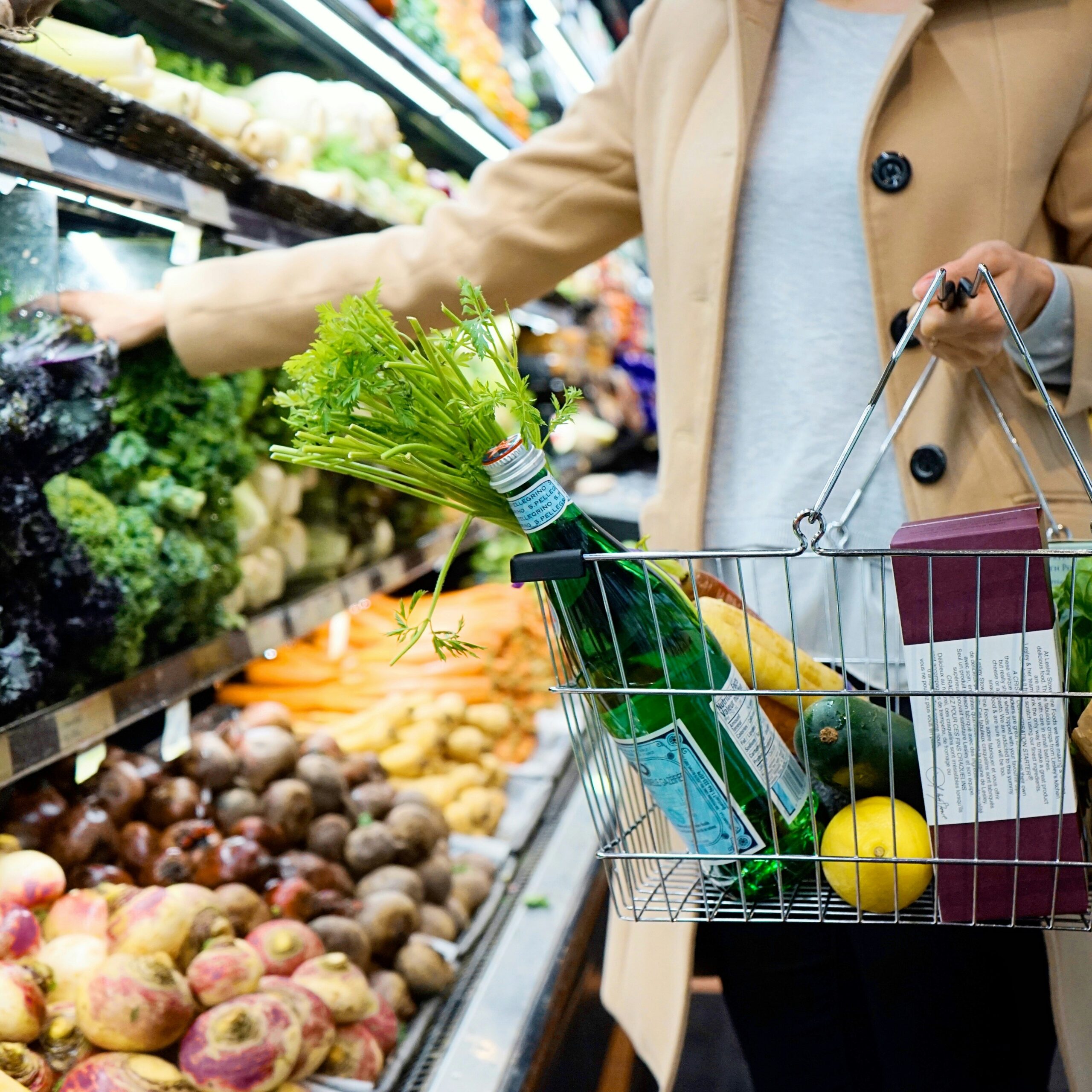
If you only shop at convenience stores during your trip to Japan, you’re missing half the story. Supermarkets are where Japanese people actually buy their food — and for travelers, they’re cheaper than conbini, packed with food souvenirs you won’t find at the airport, and honestly one of the most fun “free attractions” in Japan.
I’m a Japanese mom who cooks every day, so supermarkets are basically my second home. Let me walk you through exactly how they work, what’s worth buying, and the small unspoken rules that will make you shop like a local.
- Supermarket vs. Convenience Store — Which One Do You Need?
- The Supermarket Chains You’ll Actually See
- How the Register Works (So You Don’t Panic)
- The Half-Price Sticker Game (Locals’ Favorite Sport)
- What to Buy Part 1 — Eat It During Your Trip
- What to Buy Part 2 — Food Souvenirs That Beat Airport Gifts
- Small Rules Locals Follow (Nobody Will Tell You These)
- FAQ
- Final Thoughts
Supermarket vs. Convenience Store — Which One Do You Need?
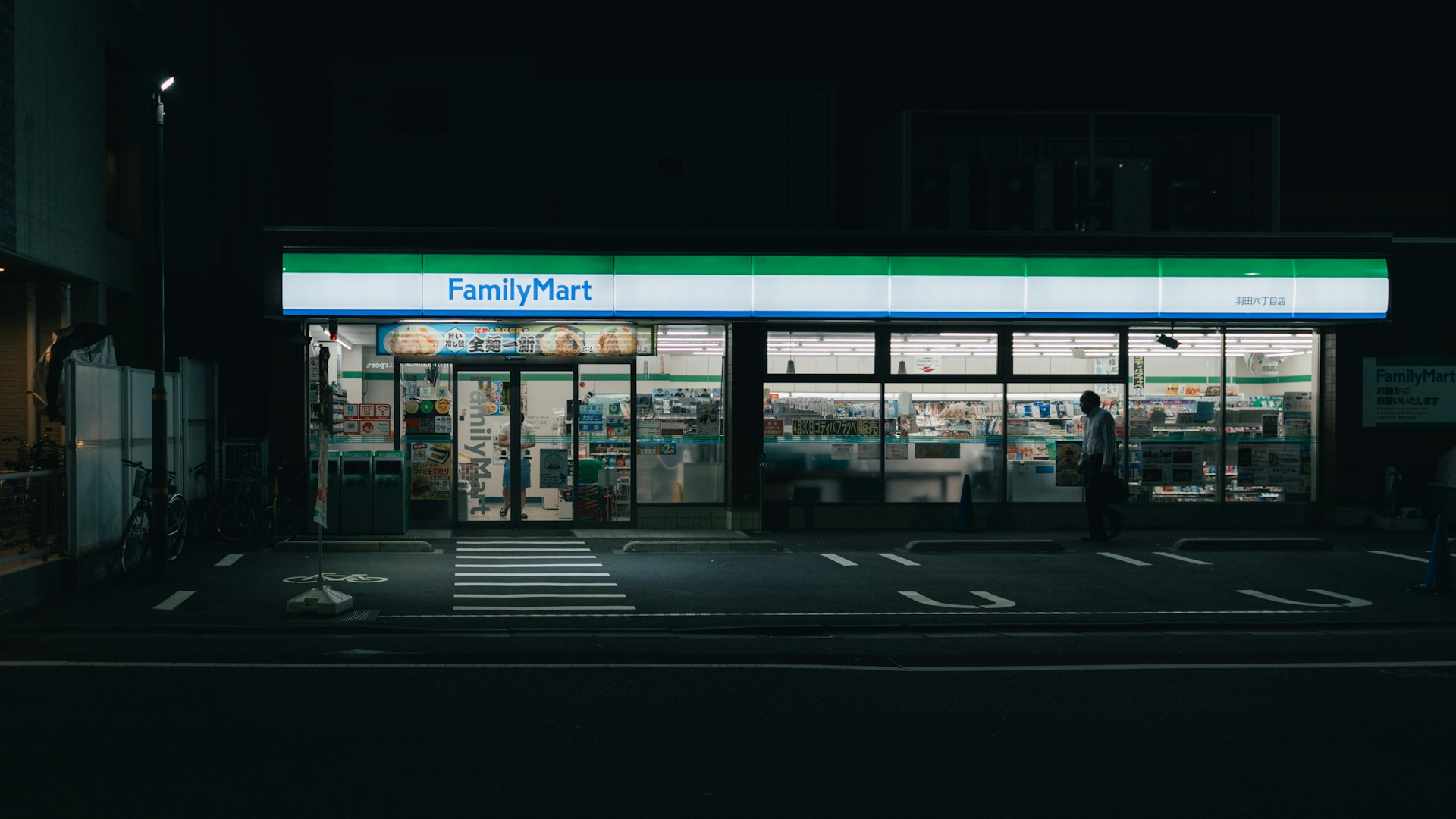
Convenience stores are for right now: a quick onigiri, a drink, a snack at 11 p.m. Supermarkets are for value and variety: the same onigiri costs less, the bento selection is bigger, and you’ll find entire aisles of things conbini simply don’t carry — fresh produce, 50 kinds of soy sauce, real wasabi.
Quick comparison:
| Convenience store | Supermarket | |
|---|---|---|
| Price | Higher | 20–40% cheaper |
| Hours | 24/7 | Usually 9:00–21:00 |
| Bento & deli | Small selection | Huge selection |
| Souvenir potential | Low | High |
| Fun factor for travelers | Good | Amazing |
(If you haven’t read it yet, I wrote about why Japanese convenience stores are dangerously good → Why Japanese Convenience Stores Will Ruin You for Everything Else)
The Supermarket Chains You’ll Actually See
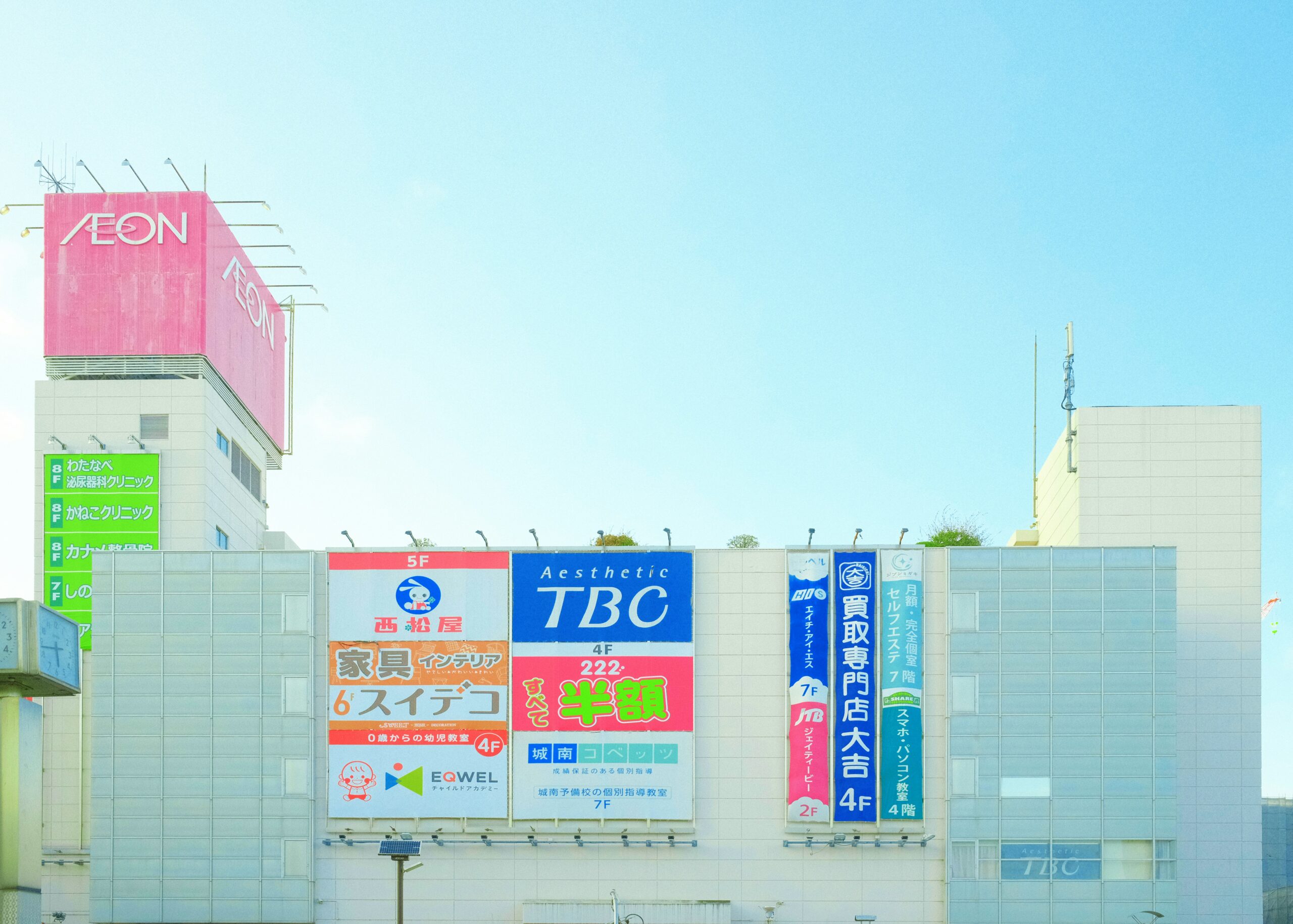
Honestly, my own daily shopping happens at a local chain you’ve probably never heard of — and that’s the point. Japan’s supermarket scene is full of regional chains, and stumbling into one is part of the fun.
- AEON (イオン) — The biggest chain in Japan. Often part of a shopping mall, so you can combine grocery shopping with clothes, a food court, and a 100-yen shop.
- Ito-Yokado (イトーヨーカドー) — Similar to AEON, strong in the Tokyo area.
- Life (ライフ) — Common in cities, good balance of price and quality.
- Gyomu Super (業務スーパー) — A discount “business supermarket” loved by budget shoppers. Huge portions, shockingly low prices.
- Local chains — Every region has its own chains, and honestly, these are often the most interesting. Local chains carry regional foods you won’t see anywhere else.
Traveler tip: Supermarkets inside or near train stations are usually smaller and pricier. If you have time, a suburban AEON is a far better experience.
How the Register Works (So You Don’t Panic)
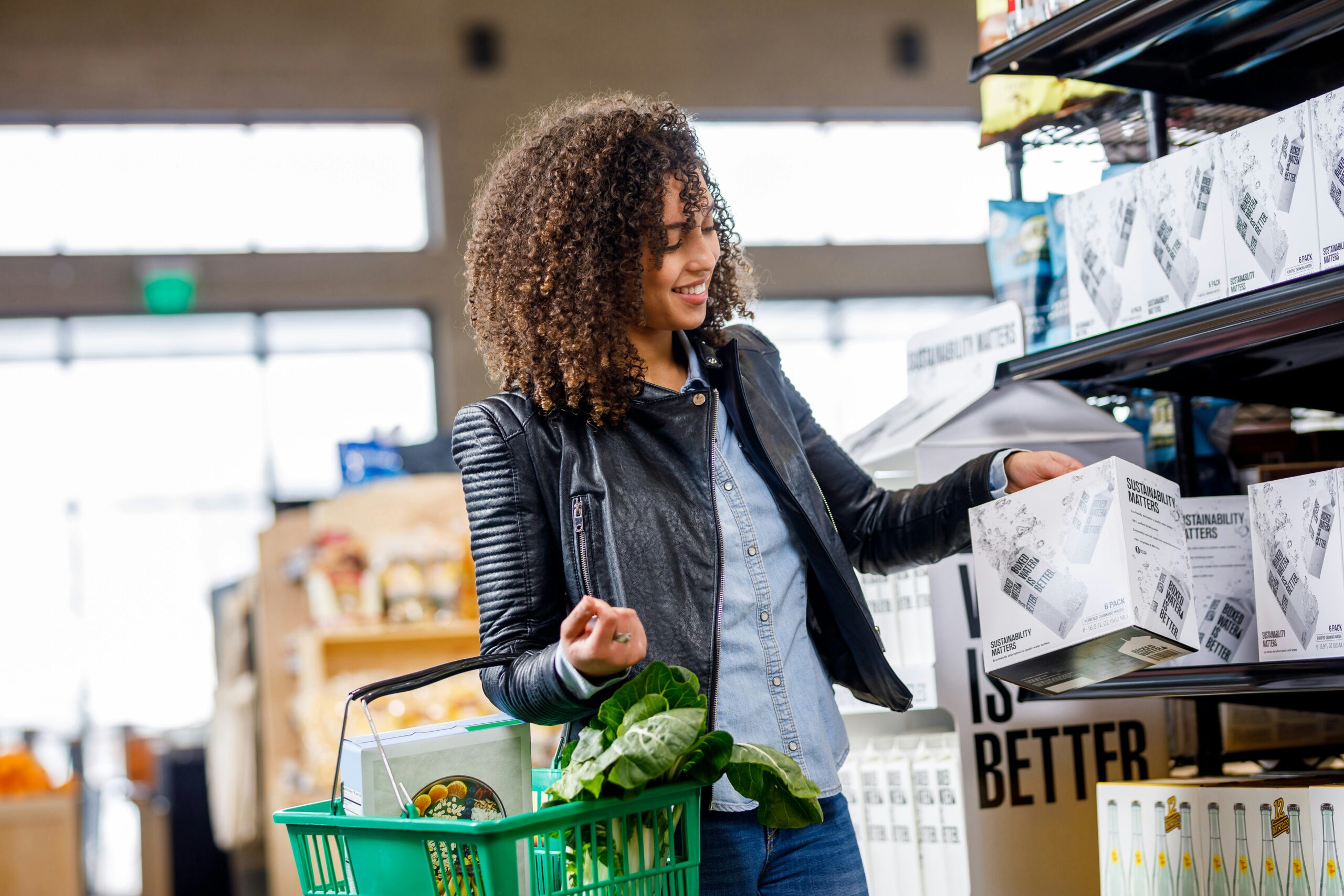
This is the part that confuses travelers most, so here’s the exact flow:
- Grab a basket. Carts are for big shopping trips; a basket is fine for travelers.
- Line up at the register. The cashier scans your items and moves them into a second basket. You don’t bag anything at the register.
- Pay. Many supermarkets have a payment machine next to the cashier — you insert cash or tap your card/IC card yourself. But plenty of stores still do it the traditional way, where you hand cash directly to the cashier. Both are normal; just watch what the person ahead of you does.
- Plastic bags are NOT free. They cost ¥3–10 each. The cashier will ask: 「レジ袋ご利用ですか?」(“Do you need a bag?”). Just say “hai” (yes) or show fingers for how many. Better: bring a foldable eco bag.
- Move to the bagging table . This is the long counter behind the registers. This is where you bag your own groceries. Don’t bag at the register — it holds up the line.
That’s it. No tipping (of course — Why Japan Has No Tipping), no small talk required, no stress.
The Half-Price Sticker Game (Locals’ Favorite Sport)
Here’s a secret that will save you serious money: supermarkets discount their fresh food in the evening.
Bento boxes, sushi, fried food, and deli items get discount stickers as closing time approaches. The timing depends on the store, but discounts typically start about 2–3 hours before closing — small stickers (10–20% off) first, growing to 30–50% off as the evening goes on. A ¥500 sushi pack becomes ¥250. A full bento dinner costs less than a fast-food burger set.
If your hotel room has a microwave (many business hotels do), an evening supermarket run is the single best food value in Japan. You’ll see plenty of locals doing exactly the same thing — nobody thinks it’s cheap or embarrassing. It’s smart.
In my own shopping, the real discount targets are fresh meat and fish — raw items get marked down the most easily, and evening is prime time. For travelers, that means evening sushi and sashimi packs are the best-value fresh food in the store. And if your accommodation has a kitchen, discounted meat is the jackpot locals quietly compete for.
What to Buy Part 1 — Eat It During Your Trip

- Bento (弁当) — Complete meals from ¥400–600. The quality will genuinely surprise you.
- Sushi packs — Not high-end sushi, but very good for the price, and made fresh that day.
- Fried food (お惣菜) — Karaage (fried chicken), korokke (croquettes), tempura. Sold by the piece.
- Seasonal fruit — Japanese fruit is expensive but exceptional. Look for whatever is in season: strawberries in winter/spring, peaches in summer, grapes and persimmons in autumn.
- Sandwiches & onigiri — Same idea as conbini, lower price.
- Drinks — A 2L bottle of green tea costs about the same as a 500ml bottle at a conbini.
What to Buy Part 2 — Food Souvenirs That Beat Airport Gifts
Airport souvenir boxes are fine, but they’re overpriced and everyone gets the same thing. Supermarket souvenirs are cheaper, more interesting, and feel much more “real Japan.” My picks:
- Japanese Kit Kats — Matcha, strawberry, regional flavors. Supermarket price is far below airport price.
- Furikake (ふりかけ) — Rice seasoning in dozens of flavors. Light, cheap, flat — perfect for suitcases.
- Instant miso soup — Freeze-dried types are surprisingly good and weigh nothing.
- Curry roux blocks — Make Japanese curry at home with one box. (Vermont Curry and Java Curry are the classics.)
- Quality soy sauce & yuzu ponzu — A step up from anything sold abroad. Buy small bottles and wrap them well.
- Matcha & hojicha — Real Japanese tea for a fraction of specialty-shop prices.
- Japanese mayonnaise (Kewpie) — Cult favorite among foreign foodies, for good reason.
- Dashi packs — The secret behind Japanese home cooking. (I explained why Japanese food tastes so good here → Why Does Food Taste Better in Japan?)
- Weird and wonderful snacks — The snack aisle is a souvenir goldmine. Grab anything that looks interesting; it’s ¥100–200 per gamble.
My personal picks as someone who cooks every day:
- Yuzu kosho (柚子胡椒) — A paste of yuzu citrus and chili. Uniquely Japanese, almost impossible to find abroad, and a tiny jar transforms grilled chicken, gyoza, and even pasta. If you buy only one thing from this list, buy this.
- Real wasabi in a tube (本わさび) — Look for 本わさび on the label. Most “wasabi” outside Japan is dyed horseradish; this is the real plant, and the difference is obvious.
- Hon-mirin (本みりん) — Here’s a cooking secret: the “mirin” sold abroad is usually a fake seasoning-style imitation. Real hon-mirin is the quiet backbone of Japanese home cooking. One note: it contains about 14% alcohol, so check your country’s rules for bringing it home.
Customs note: Meat products (including things like meat-filled buns or some cup noodles with meat) often can’t be brought into countries like the US and Australia. Stick to sweets, dry goods, and sealed seasonings to be safe.
Small Rules Locals Follow (Nobody Will Tell You These)
- Don’t eat while walking around the store. Pay first, eat outside or at the eat-in corner if there is one.
- Don’t open packages before paying. Obvious, but it happens.
- Handle produce gently and don’t squeeze-test everything. Japanese shoppers pick up fruit carefully, and staff arrange displays with real care.
- Baskets go back to the stack after you finish bagging.
- The bagging table has free plastic bags (thin ones, for wet items) — it’s fine to use a few, but taking a long strip of them is frowned upon.
These aren’t strict laws — nobody will scold a tourist — but following them is exactly what “shopping like a local” means. (More unspoken rules here → The Unspoken Rules of Japan)
FAQ
Can I pay by credit card? At almost all major chains, yes — Visa and Mastercard are safe. Small local supermarkets are occasionally cash-only, so carry some yen. (More on this → Money in Japan — A Cashless Country, or Still Cash-Heavy?)
Are supermarkets open late? Most close between 21:00 and 22:00. Some urban stores run until midnight, and a few are 24 hours — but don’t count on it like you can with conbini.
Is there an eat-in space? Larger stores often have a small seating corner, and mall-based supermarkets have food courts nearby. Smaller stores don’t.
Do staff speak English? Usually not, but you won’t need it. The entire process works without a single word — and the payment machine has an English button.
Final Thoughts
A Japanese supermarket is a museum, a souvenir shop, and the cheapest restaurant in town, all in one building. Give yourself 45 minutes in a Japanese supermarket — ideally in the evening when the discount stickers come out — and you’ll understand everyday Japan better than any guidebook could teach you.

コメント