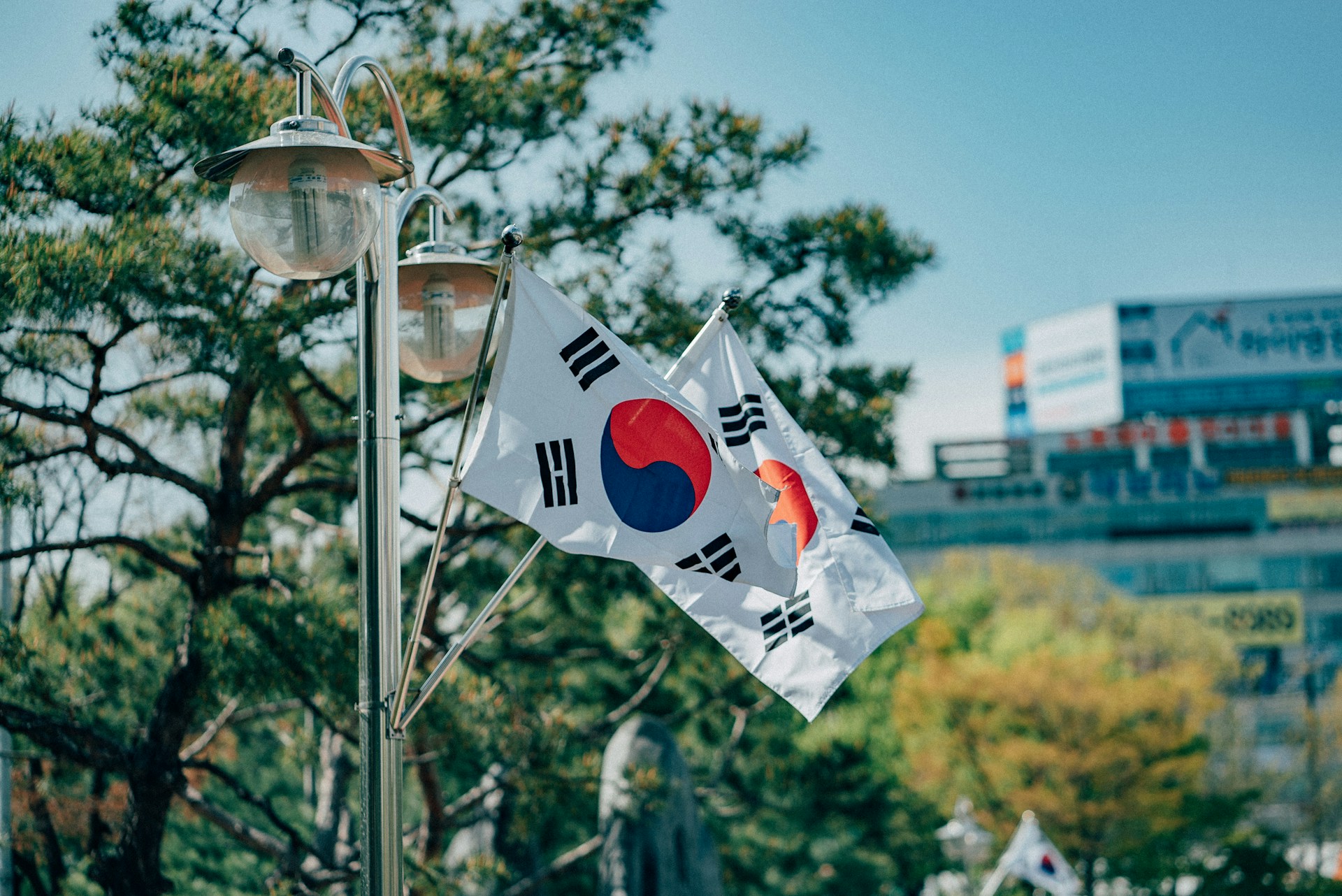
Japan and Korea. Neighbouring countries in Asia, similar on the surface — and genuinely different underneath.
I’ve visited both Seoul and Busan, and I want to share an honest comparison from a Japanese perspective. This isn’t about which country is better. Both have their own appeal, and I love both for different reasons.
Shopping — Can You Bargain?
In most of Japan, the price tag is the price. Bargaining is rare — there are exceptions in some traditional shopping streets or souvenir markets, but in general, what you see is what you pay.
Korea is different. In markets and many shops, asking for a discount is a perfectly normal part of the shopping experience. It turns buying something into a conversation — and for Japanese visitors, it comes as a genuinely fun surprise.
Food — Gentle Flavours vs Bold Flavours
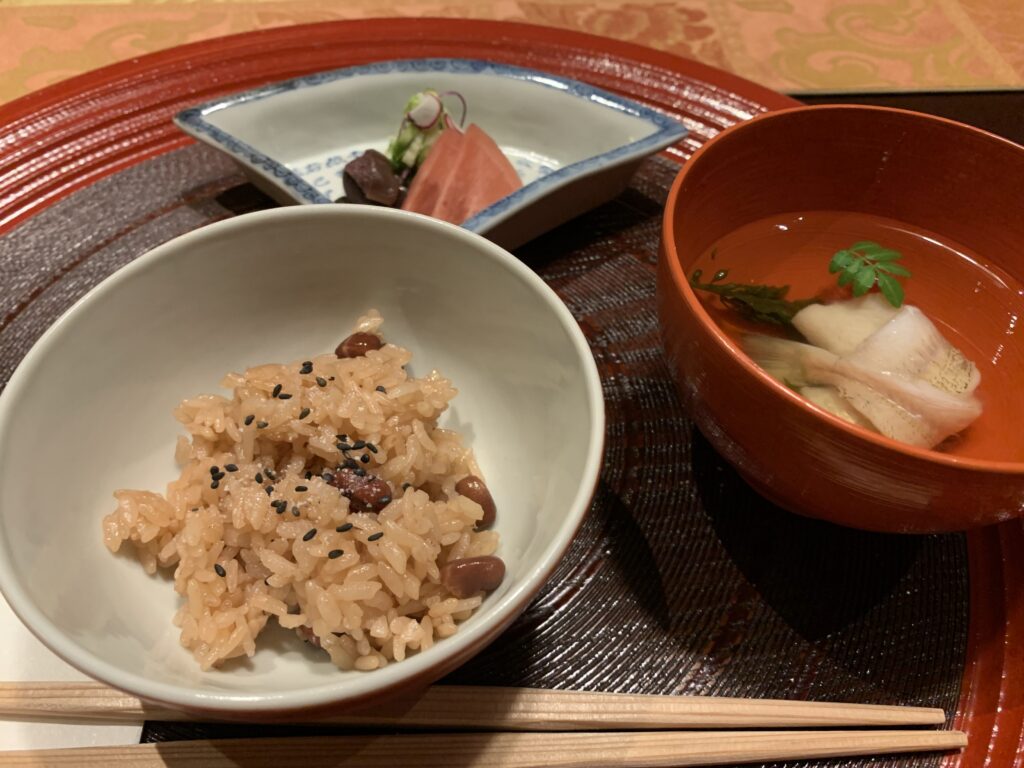
Japanese cuisine is built on subtlety. The goal is to bring out the natural flavour of each ingredient — dashi, soy sauce, miso. It might seem understated at first, but that restraint is intentional. It’s a philosophy of subtraction, not addition.
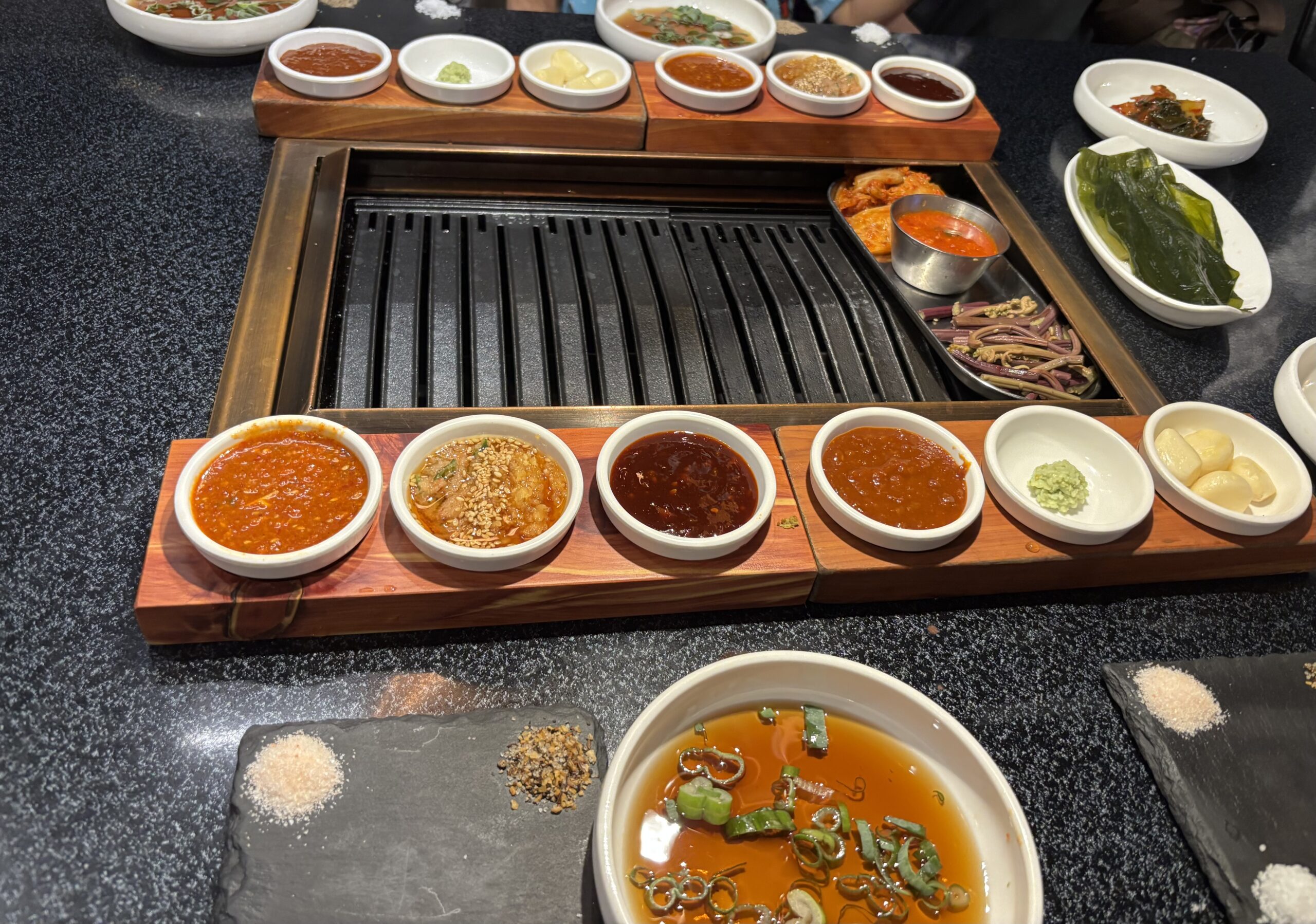
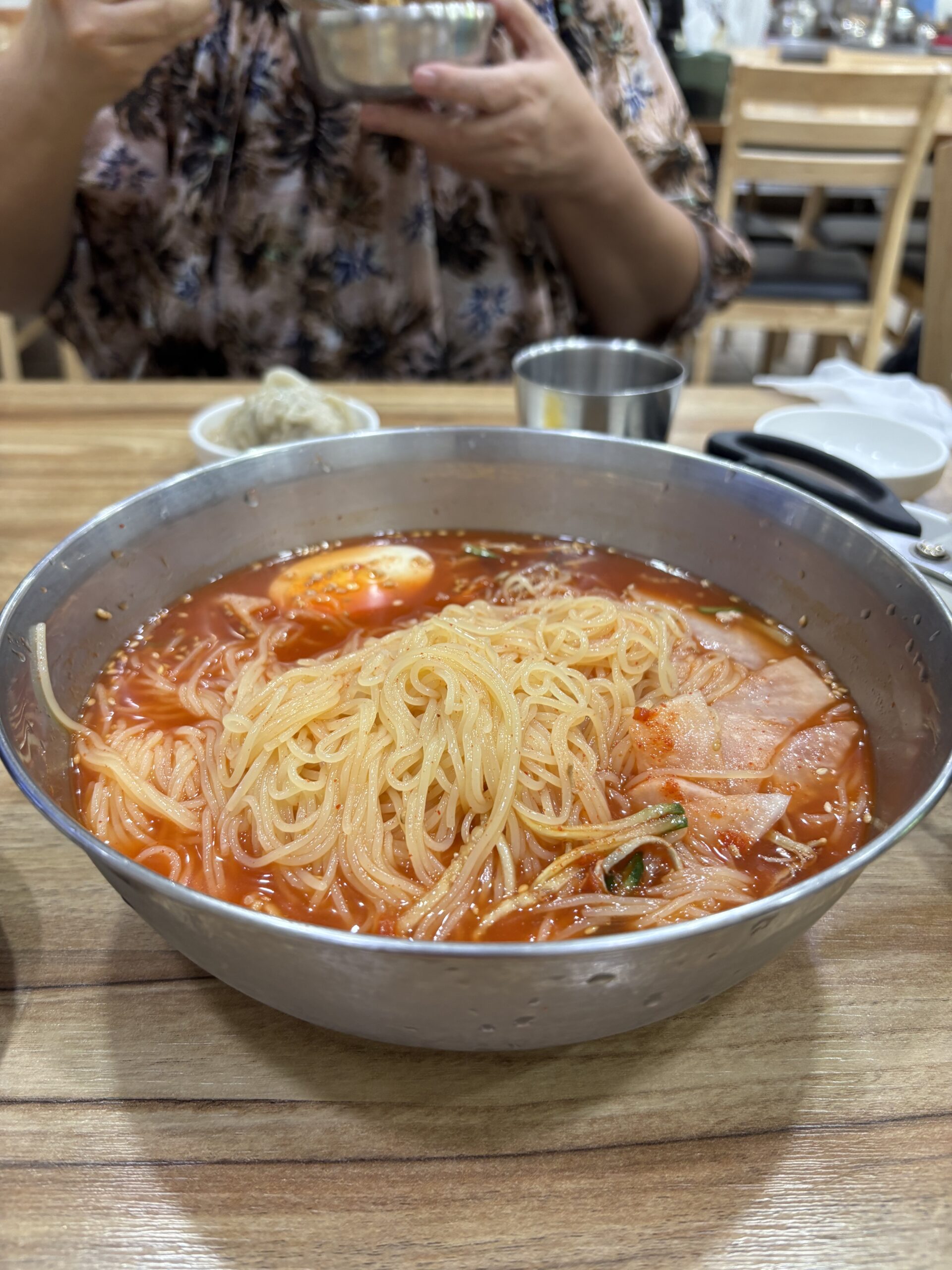
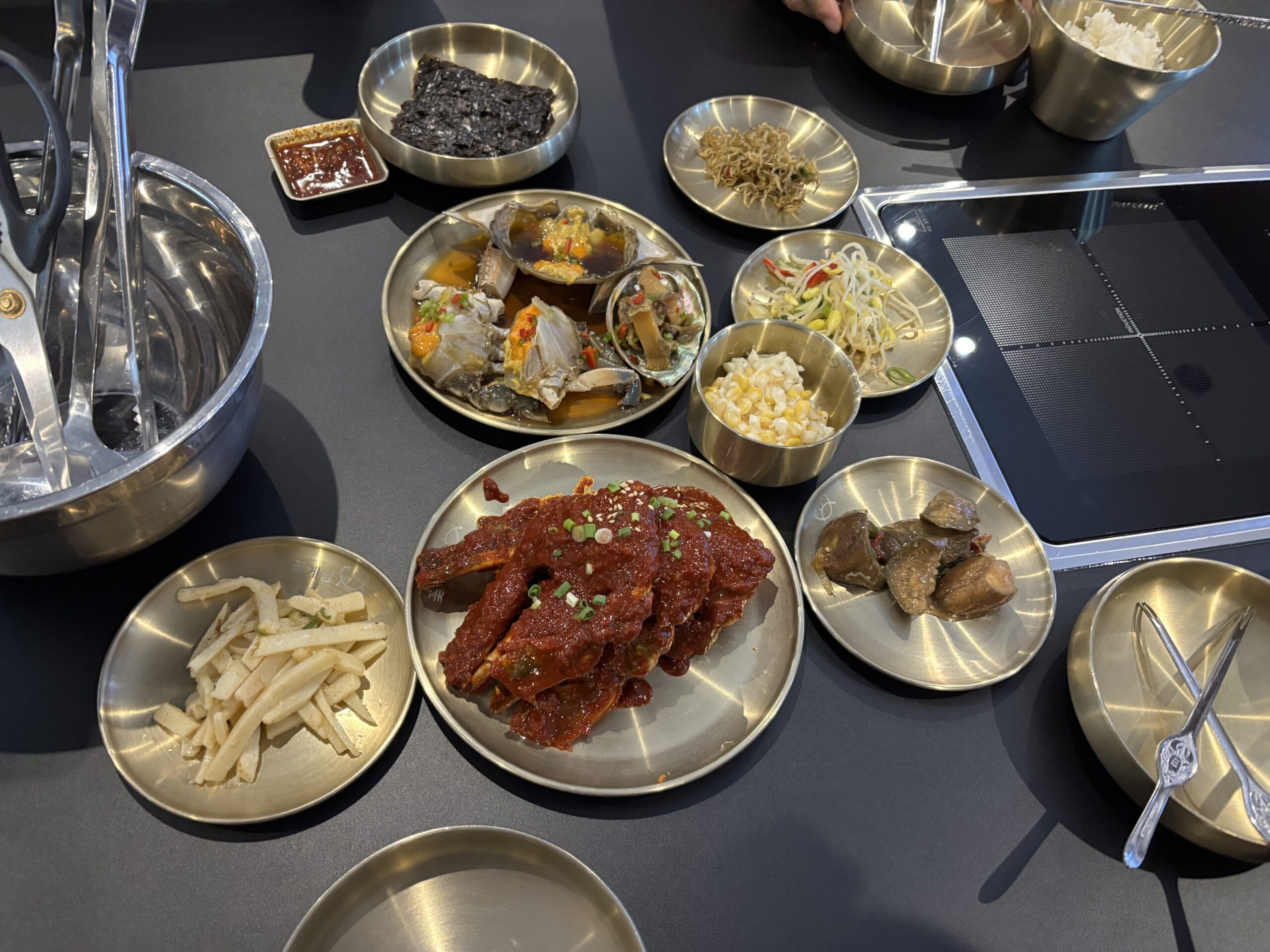
Korean cuisine goes in the opposite direction. Spice, fermentation, bold seasoning — food that warms you from the inside out.
One dish I particularly loved: ganjang gejang — raw crab marinated in soy sauce. Not spicy at all, just deeply savoury from fermentation. Genuinely one of the best things I’ve eaten.
One practical note: Korean food tends to be quite spicy, which can be a challenge if you’re travelling with young children or have a low spice tolerance. It’s worth checking menus in advance.
Why Japanese People Visit Korea

Korea is one of the most popular destinations for Japanese travellers — it’s close, affordable to fly to, and offers experiences you can’t easily find at home.
Beauty and skincare
Korea is known for its advanced skincare clinics and more affordable cosmetic procedures compared to Japan. Many Japanese women visit specifically for skin treatments or consultations.
Cafés and aesthetics
Seoul has an extraordinary café culture. Beautifully designed spaces, creative menus, photogenic interiors — it’s a magnet for younger travellers who care about aesthetics.
Theme Parks and Attractions
Korea has its own iconic venues — Lotte World being the most well-known — that feel distinctly Korean in character.
Japan offers a mix. Deeply Japanese experiences like Ghibli Park, Sanrio Puroland, and Anpanman Museum sit alongside internationally recognised destinations like Tokyo Disneyland and Universal Studios Japan. The range is wide, which suits many different types of travellers.
Food Diversity in Japan
Japan doesn’t just do Japanese food well. It has more Michelin-starred restaurants than almost any other country in the world, spanning French, Italian, Chinese, and beyond. Stores like Costco make international groceries accessible too. Whatever you want to eat, Japan can probably deliver it.
Regional Variety
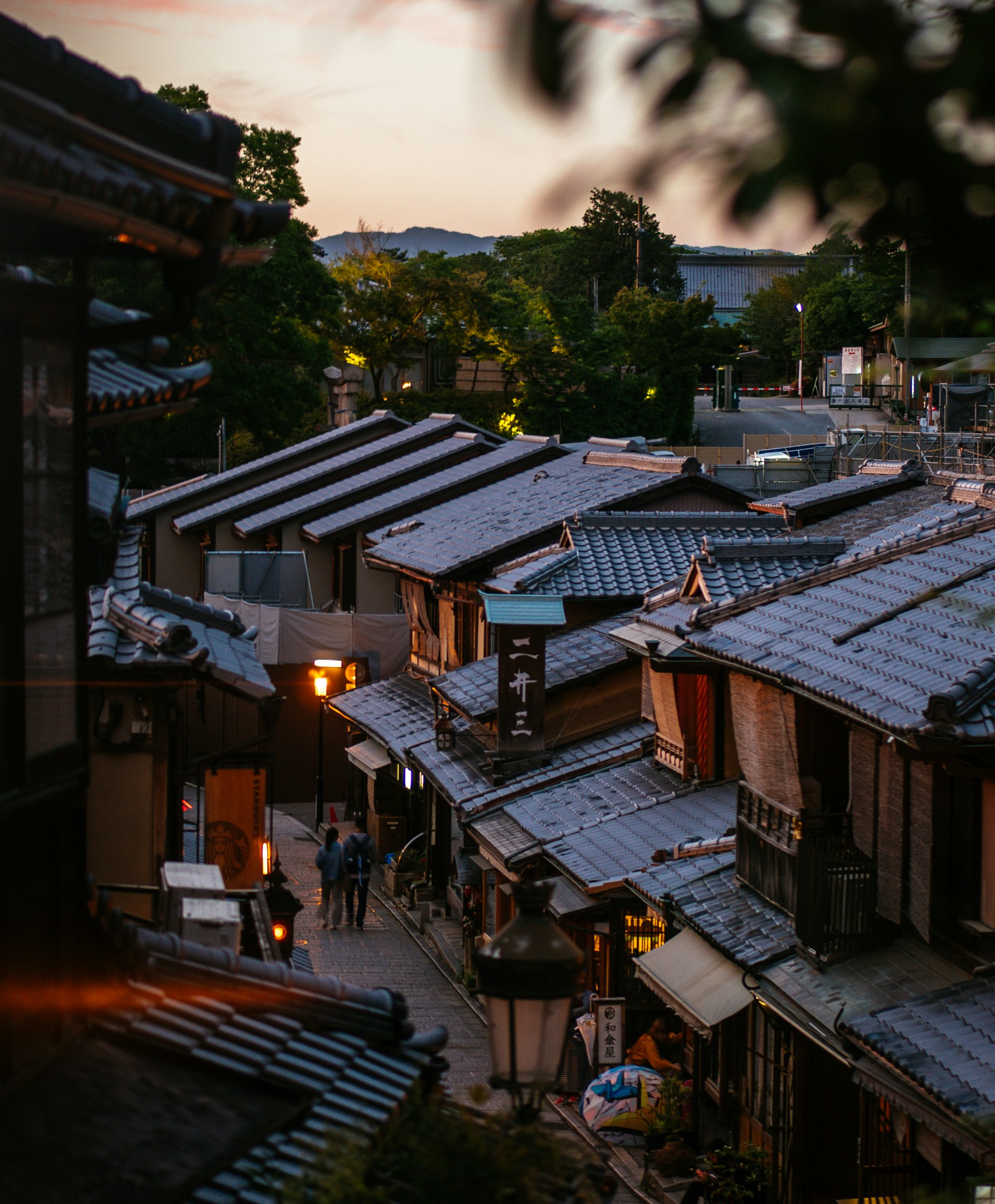
One of Japan’s underappreciated strengths is how different each region feels.
- Tokyo — modern, fast, everything available
- Kyoto — history, temples, traditional culture
- Osaka — food, warmth, a distinctly casual energy
- Nara — deer, ancient sites, slower pace
- Okinawa — beaches, subtropical climate, its own distinct culture
All of these are connected by one of the world’s best train networks.
Korea offers regional variety too. Seoul felt energetic and polished. Busan had a completely different atmosphere — a port city with the sea, a bit more relaxed.
🇯🇵 Want to Experience Korea Without Leaving Japan? Go to Shin-Okubo
If you can’t make it to Korea, Tokyo’s Shin-Okubo neighbourhood offers a genuine taste of Korean culture.
K-pop merchandise, Korean cosmetics, cheese dogs, tteokbokki — Korean trends arrive here quickly. It’s become one of Tokyo’s most energetic neighbourhoods, and the enthusiasm for Korean culture is completely genuine.
Honestly, it’s not the same as being in Korea. Some things are adapted for local tastes. But Shin-Okubo has its own identity, and it’s worth visiting.
Most shops have English menus or picture menus, and staff are used to international visitors. You don’t need Japanese or Korean to enjoy it — pointing and smiling works just fine.
One tip: weekdays are significantly less crowded than weekends. Go on a Tuesday or Wednesday if you want to actually enjoy the food and browse without being swept along by the crowd.
The Summary
Japan is a country for depth — layers of culture, history, and regional character that reveal themselves slowly.
Korea is a country for energy — bold flavours, fast trends, and a forward-moving confidence.
Neither is better. They’re just different kinds of trips. And if you have the chance, doing both is absolutely worth it.
Have you been to Japan, Korea, or both? Which did you prefer — leave a comment below.


コメント