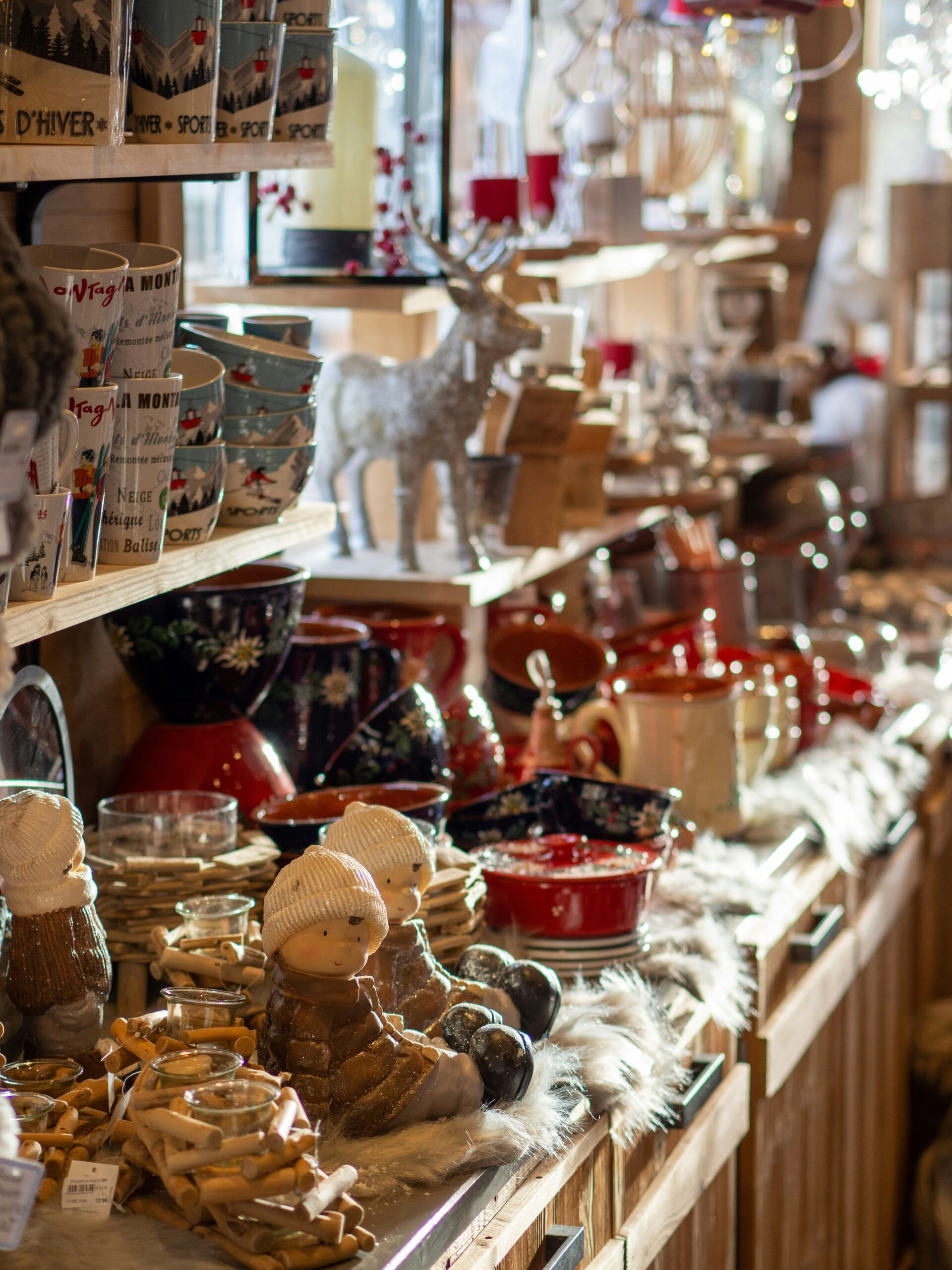
Souvenir shopping in Japan usually goes one of two ways. Either you panic at the airport on the last morning and buy an expensive box of something, or you come home with a suitcase of things that felt exciting in the shop and now sit in a drawer.
I’m a Japanese local, and this is the list I’d give a friend. Some of it is food you’ll finish in a month. One of it is something you might still be using in thirty years.
- First Rule: Start at the Supermarket, Not the Airport
- Dashi Packets — The Answer to “Why Does Japanese Food Taste Like That?”
- Japanese Curry Roux — A Completely Different Dish
- Snacks — Easy, Cheap, and Better in the Supermarket
- Japanese Tea — Unsweetened, and Almost Universally Liked
- Stationery — The Category Visitors Underestimate
- Japanese Tableware — The Souvenir That Changes How You Eat
- What NOT to Buy
- Practical Notes
- Final Thoughts
First Rule: Start at the Supermarket, Not the Airport
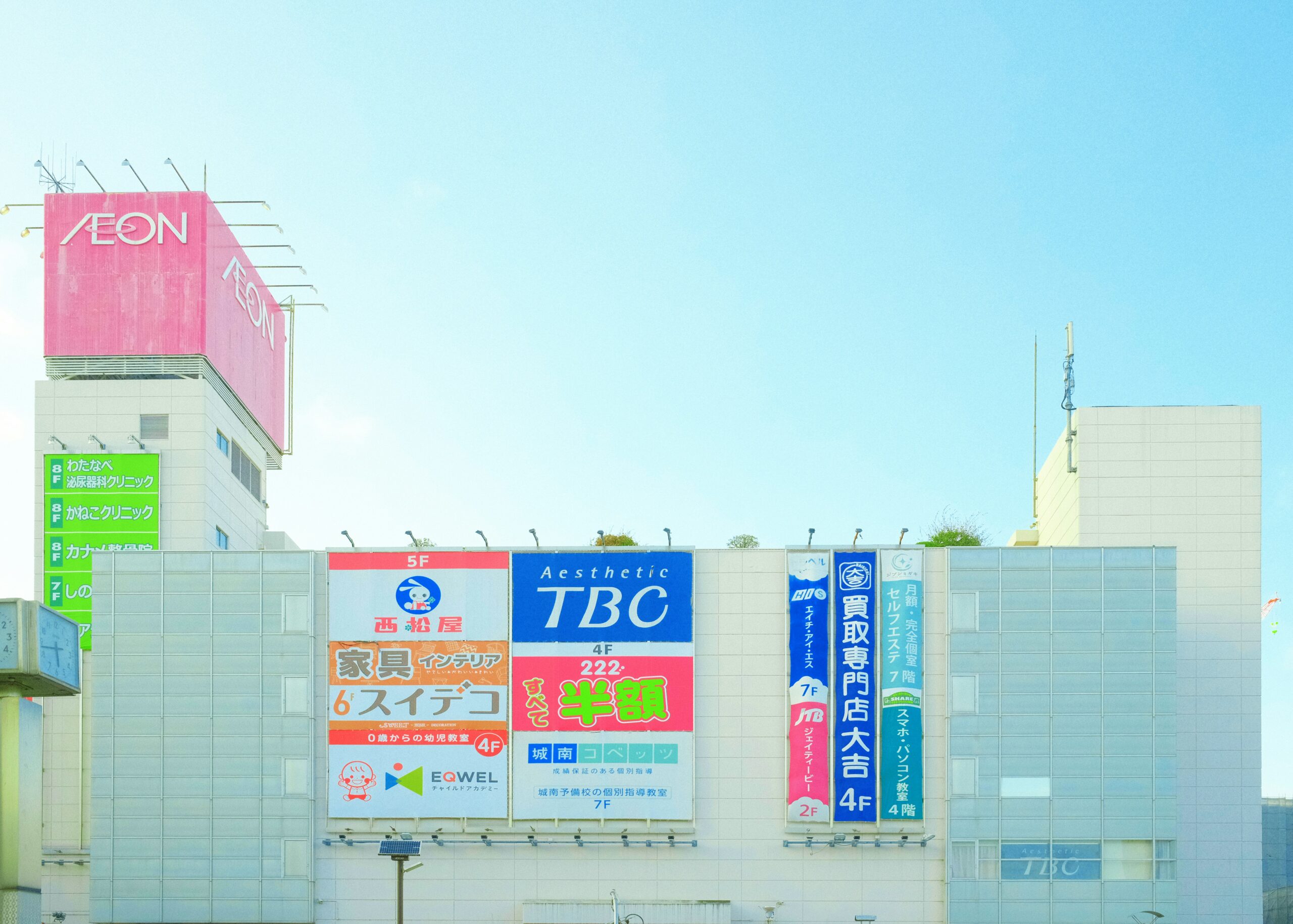
Almost everything below is cheaper and better chosen at a normal supermarket or drugstore than at an airport souvenir counter. Airport boxes are fine, but you pay a premium for the packaging and everyone on your flight is buying the same thing.
I wrote a full guide to shopping at Japanese supermarkets here → internal link: Japanese Supermarket Guide. Convenience stores fill the gaps → Why Japanese Convenience Stores Will Ruin You for Everything Else.
Dashi Packets — The Answer to “Why Does Japanese Food Taste Like That?”
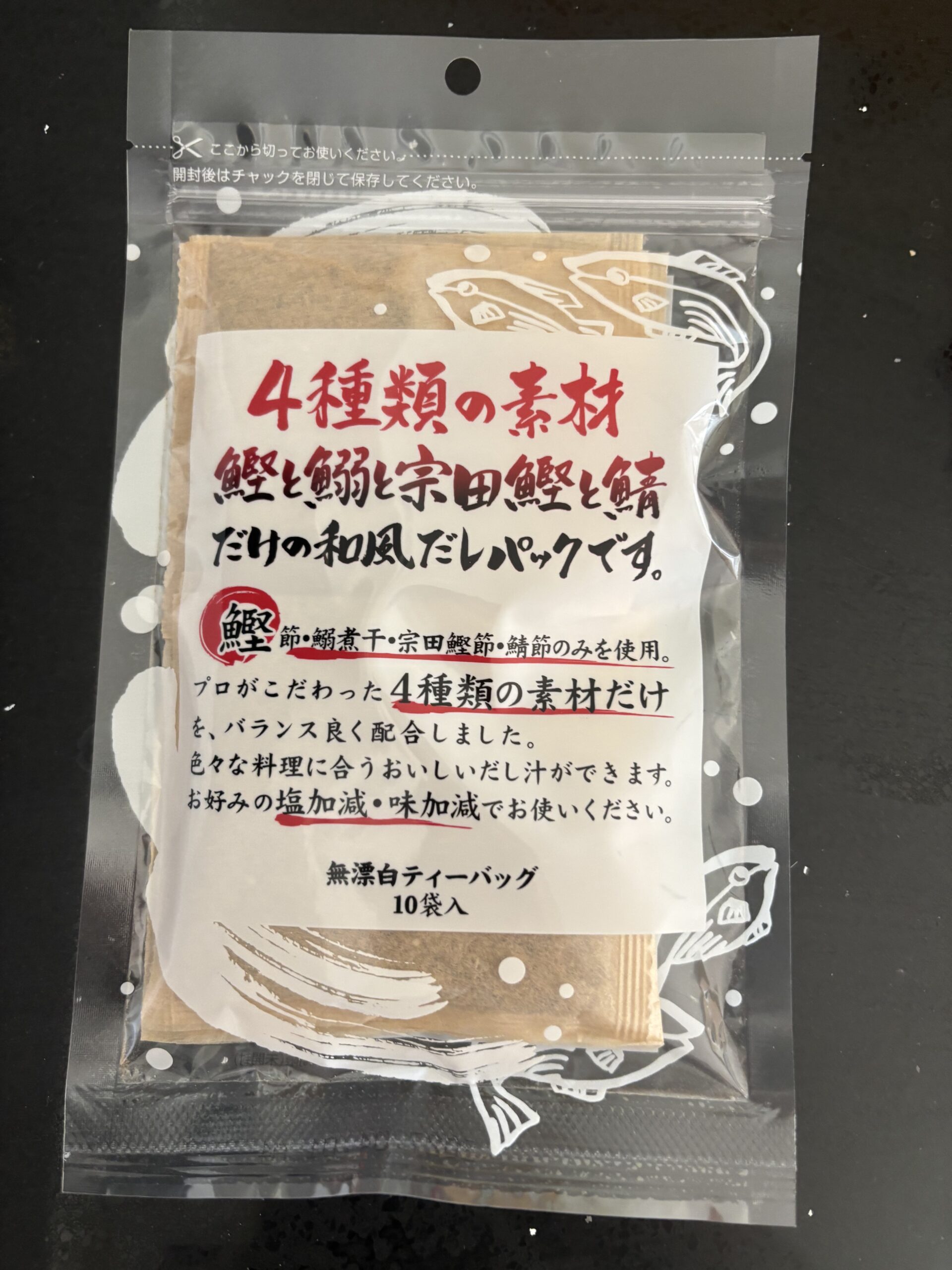
If you buy one thing from this entire list, make it dashi.
Dashi is the stock underneath almost all Japanese home cooking. Not just miso soup — it’s in simmered vegetables, oyakodon, udon broth, chawanmushi, hot pot, rolled omelette. It’s so fundamental that most Japanese people don’t consciously think about it, the way you don’t think about salt.
Here’s why it travels well as a gift. Most of the world builds stock by simmering bones for hours. Japanese dashi is made from kelp and dried bonito in under ten minutes, and it still carries a full depth of flavour. A dashi packet is that entire technique, reduced to a teabag you drop in water.
The word umami has already travelled worldwide — it was identified from kelp in Japan in 1908, and it’s now on menus everywhere. What hasn’t travelled is the method for actually producing it at home. Dashi packets are the missing half.
They’re light, they don’t count as liquid, they last for months, and they cost very little. For anyone who cooks, this is the highest-value item in your suitcase. (More on why Japanese food tastes the way it does → Why Does Food Taste Better in Japan?)
Japanese Curry Roux — A Completely Different Dish
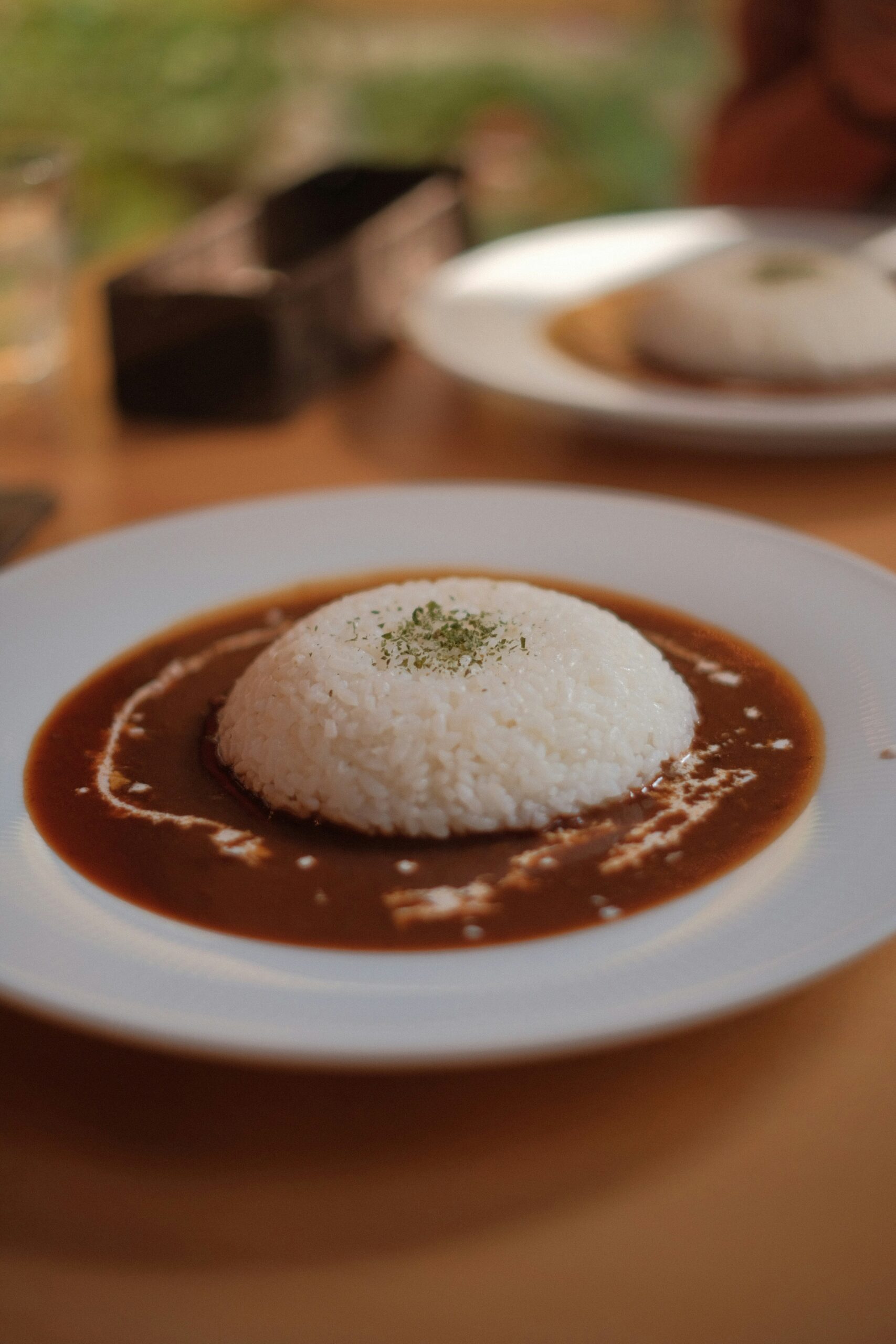
Japanese curry is not Indian curry, and the difference is the point.
Where Indian curry is built on layered, individually toasted spices, Japanese curry is mild, thick, slightly sweet, and comforting — closer to a stew. It’s the food Japanese children grow up on and the meal families make on a tired weeknight. Comparing the two side by side is genuinely interesting rather than a matter of one being better.
Buying it is absurdly easy: a boxed roux block dissolves into water with meat and vegetables, and that’s the whole recipe. Vermont Curry and Java Curry are the classics, and mild versions exist for children. Japanese food manufacturing standards are strict, and the ingredient labelling is thorough — which matters when you’re buying food to take across a border.
Snacks — Easy, Cheap, and Better in the Supermarket
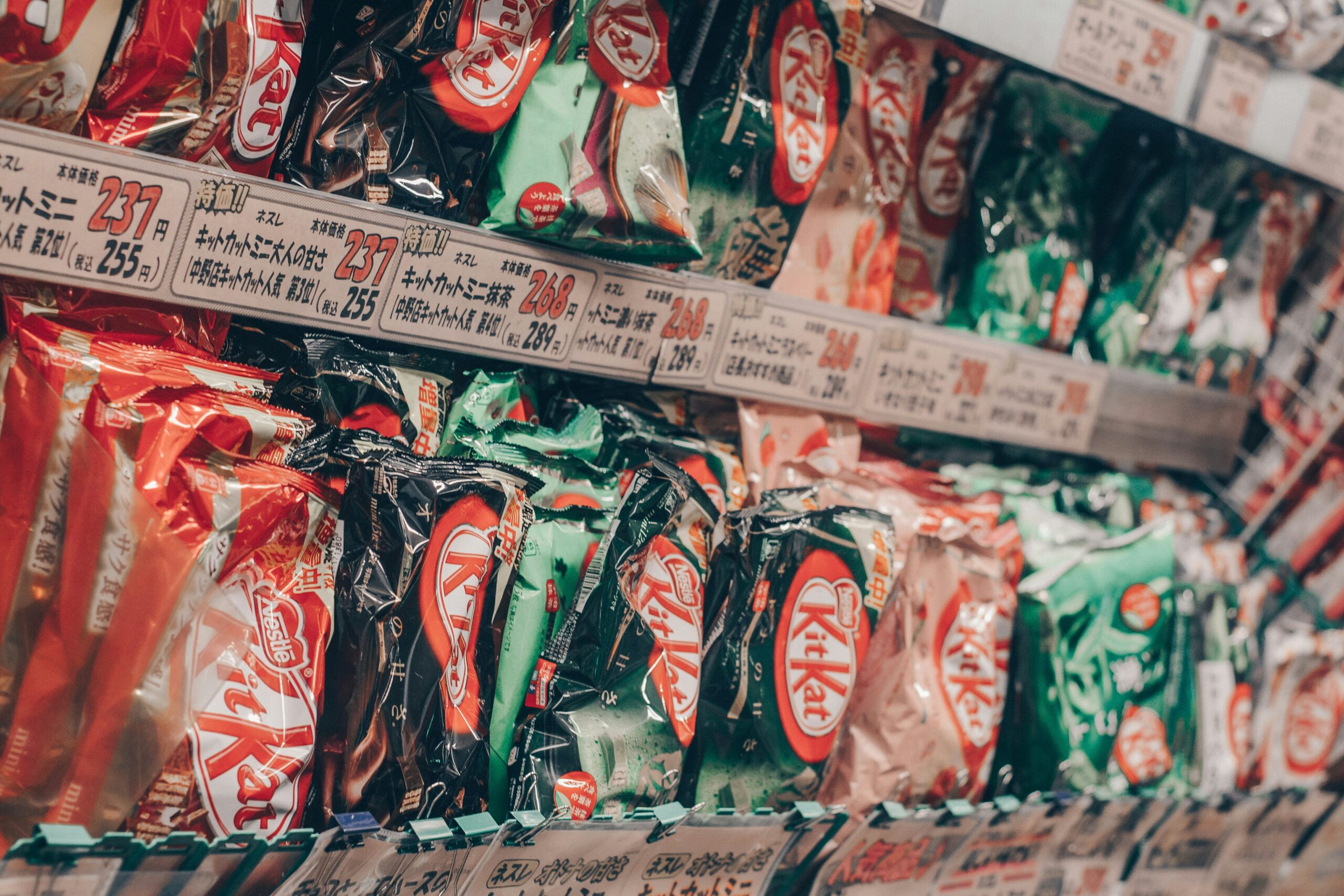
Snacks are the low-effort souvenir, and there’s nothing wrong with that. Everything is available in any supermarket, at a fraction of airport prices.
Kit Kats deserve their reputation — not because the chocolate is extraordinary, but because Japan produces flavours that exist nowhere else, and many are regional. Different prefectures have their own versions, so the box becomes a small record of where you actually went, rather than a generic gift.
Beyond that: senbei rice crackers, kaki no tane, Alfort, Pocky, imo kenpi. Grab whatever looks strange. At ¥100–200 a packet, being wrong is cheap.
Japanese Tea — Unsweetened, and Almost Universally Liked
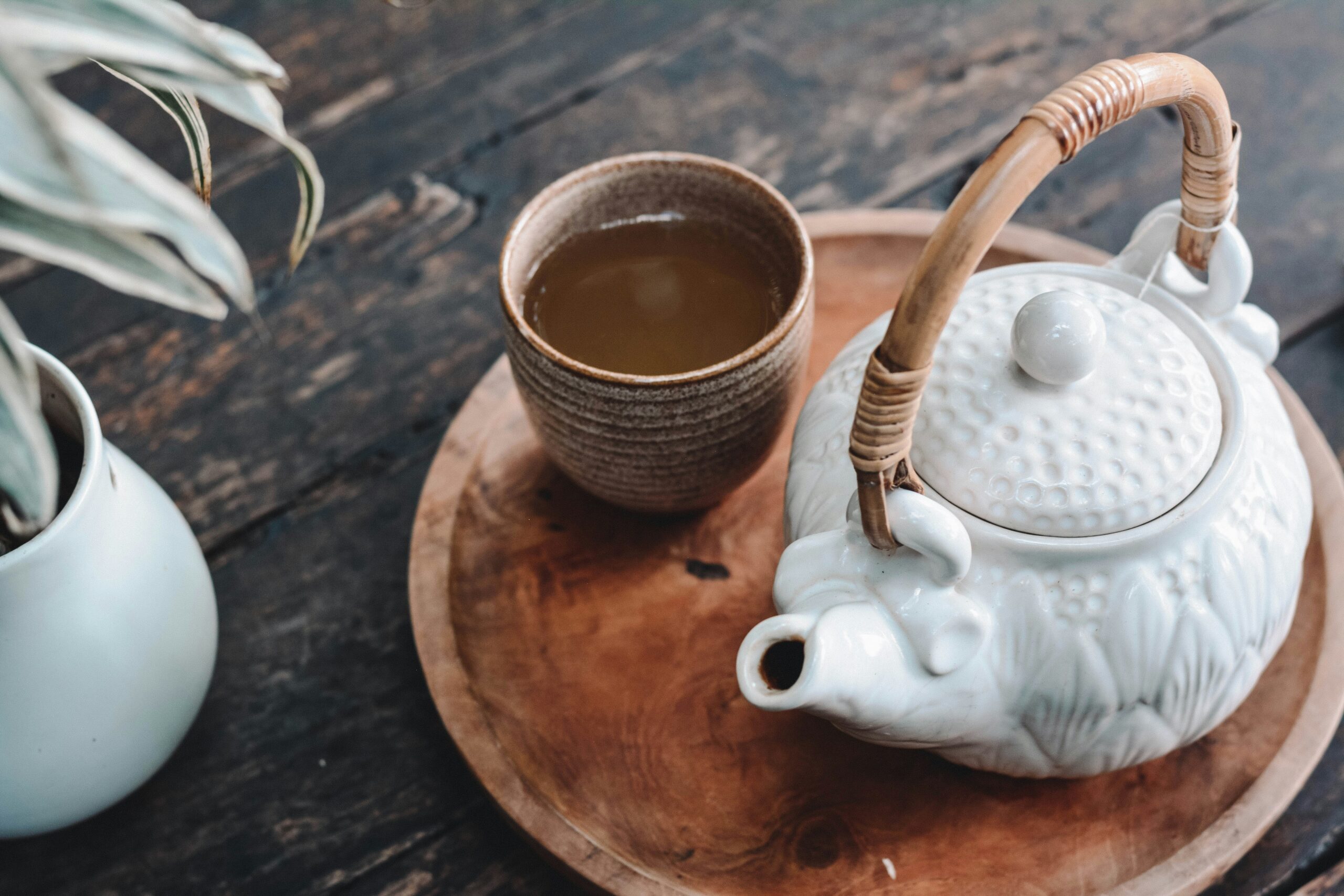
One thing that surprises visitors: Japanese tea is not sweetened. Not the bottled kind, not the kind served free in restaurants, not the kind you make at home. Sugar simply isn’t part of it.
What you get instead is the tea itself — the aroma and a clean, mild flavour without the tannic edge that puts some people off strong black tea. It’s easy to like even for people who don’t normally drink tea, which makes it a safe gift.
Matcha, sencha, hojicha, genmaicha, and teabag versions of all of them are in every supermarket, at prices far below specialty tea shops abroad.
Stationery — The Category Visitors Underestimate
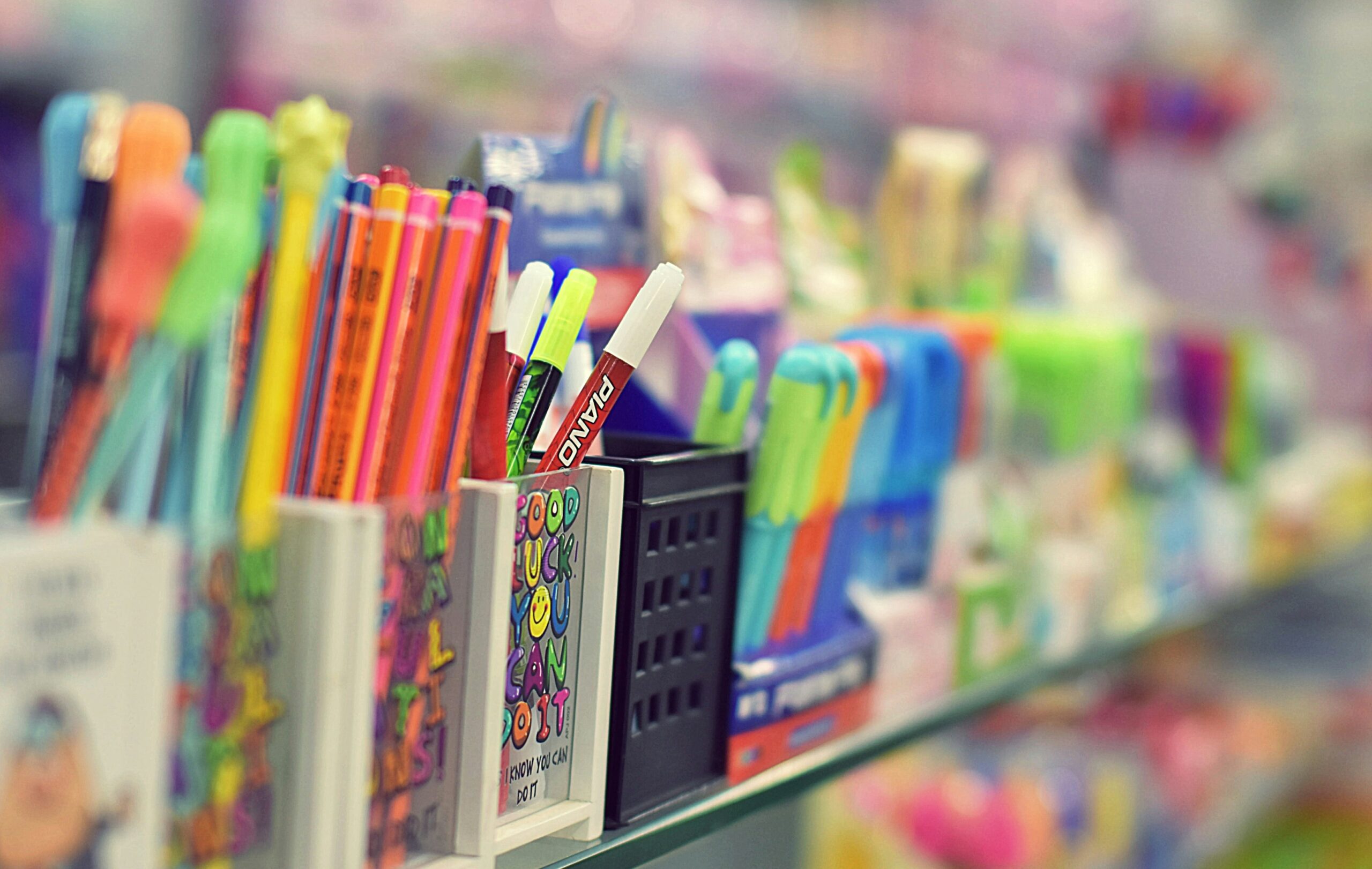
Japanese stationery is quietly one of the country’s great exports, and locals tend to forget how unusual it is.
Two ways to shop it:
- For function — Japanese pens are the reason people abroad hoard them. Smooth, precise, and cheap.
- For cuteness — an enormous range of character collaborations, seasonal designs, and colours. This is where the selection gets genuinely overwhelming in a good way.
You’ll also find stationery in the shops at Tokyo Disneyland, Sanrio Puroland, and Universal Studios Japan, where the character versions are a standard souvenir → internal link: Universal Studios Japan Complete Guide.
Flat, light, unbreakable, and inexpensive — stationery is the most suitcase-friendly gift on this list.
Japanese Tableware — The Souvenir That Changes How You Eat
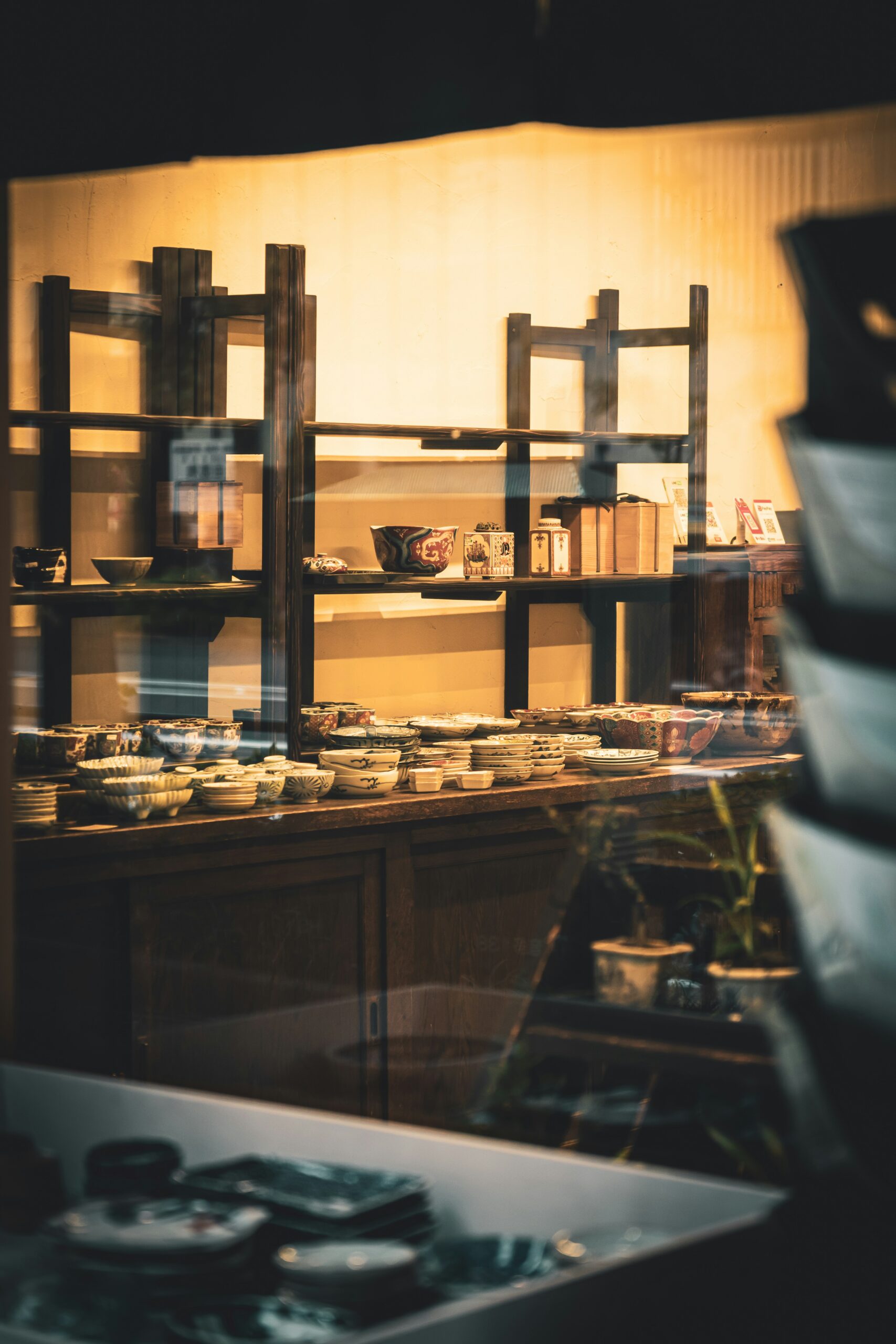
This is the one I’d want you to think about most, and it’s the one no souvenir guide explains properly.
Japanese tableware is designed to make the food the star.
Pick up a Japanese plate in a shop and it can look plain — quiet colours, an unassuming glaze, an off-centre shape. Then put food on it, and the food suddenly looks alive. That’s not an accident. The design is doing three things at once:
- Bringing out the colour of the ingredients rather than competing with them
- Using empty space — the gap around the food is part of the composition, not wasted plate
- Carrying a sense of season, so the dish belongs to a particular time of year
Western tableware is often beautiful in its own right — each piece designed to be admired as an object. That’s a legitimate philosophy, but it means the dish is sharing the stage. Japanese tableware steps back on purpose. (The clearest expression of all this is kaiseki dining → What Is Kaiseki?)
Changing Your Dishes With the Seasons
Here’s the part that’s hard to explain to visitors, because it isn’t practical — it’s a way of living.
In Japan, many households swap their tableware as the seasons change:
- Spring — cherry blossom motifs
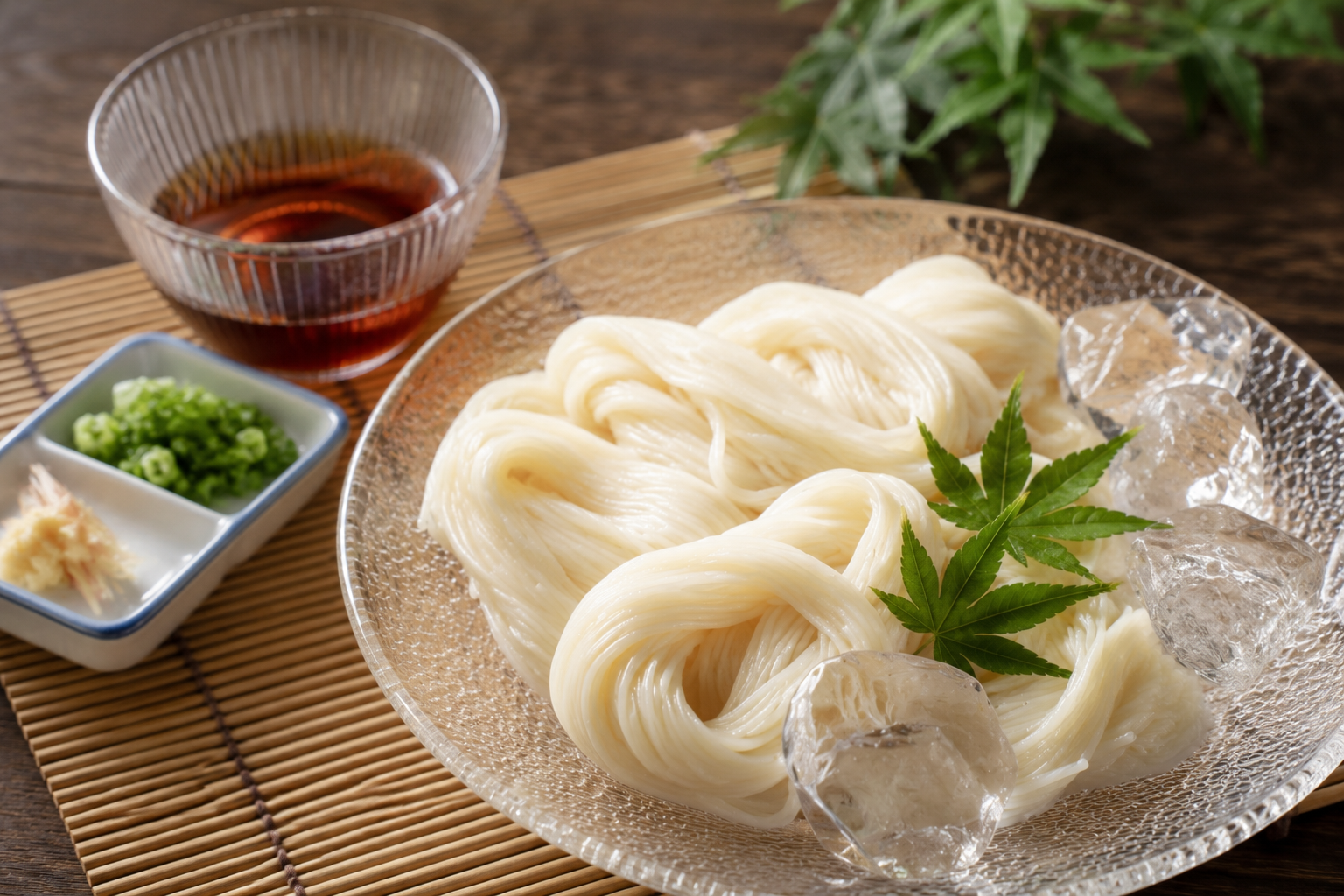
- Summer — glass, for coolness
- Autumn — maple leaves and deeper tones
- Winter — warm, heavy ceramics
A country with four distinct seasons ends up with four distinct tables. It means the season isn’t just something happening outside the window; it’s on the table at dinner. I think it’s one of the quietest pleasures of living here.
Dishes That Outlive Their Owners
Three more ideas come with Japanese tableware, and they’re the reason a plate can be a serious gift:
- When it chips, you repair it. Kintsugi mends broken ceramics with lacquer and gold, leaving the break visible rather than hidden. The repair becomes part of the object’s history instead of a flaw to disguise.
- It passes from parent to child. Good pieces are inherited, not replaced.
- Some pieces are for life. People buy a bowl or a cup expecting to use it for decades.
This is why tableware is a common wedding gift in Japan. You’re not giving someone a plate; you’re giving them something they’ll still be eating from long after the wedding photos have faded.
If you buy one piece, buy the one you’d be happy to see every day — not the most decorative one in the shop. That’s how it’s meant to work.
What NOT to Buy
- Expensive airport souvenir boxes — the same sweets are in every supermarket for less, in less packaging
- Anything you bought because it was “very Japanese” rather than because you liked it — that’s the drawer category
- Heavy or fragile items you haven’t planned for — see the packing note below
Practical Notes
Customs: meat products are restricted entering many countries, including the US and Australia — that includes some meat-filled snacks and instant noodles. Sweets, dry goods, sealed seasonings and tea are safe. Alcohol-containing seasonings such as hon-mirin have their own rules, so check before packing.
Fragile things: if you buy ceramics, ask the shop to wrap them — Japanese shops are very good at this — and pack them in the middle of your case surrounded by clothes. Better still, buy them early in the trip and post them home.
Weight: stationery, tea, dashi packets and furikake weigh almost nothing. Ceramics and bottled sauces are where suitcases go over.
Final Thoughts
The best souvenirs from Japan aren’t the ones that look most Japanese in the shop. They’re the ones that keep working after you get home — a dashi packet that makes your soup taste different, a pen you actually reach for, a bowl you eat from every morning.
Buy fewer things, buy them in ordinary shops, and buy the ones you’ll use.


コメント