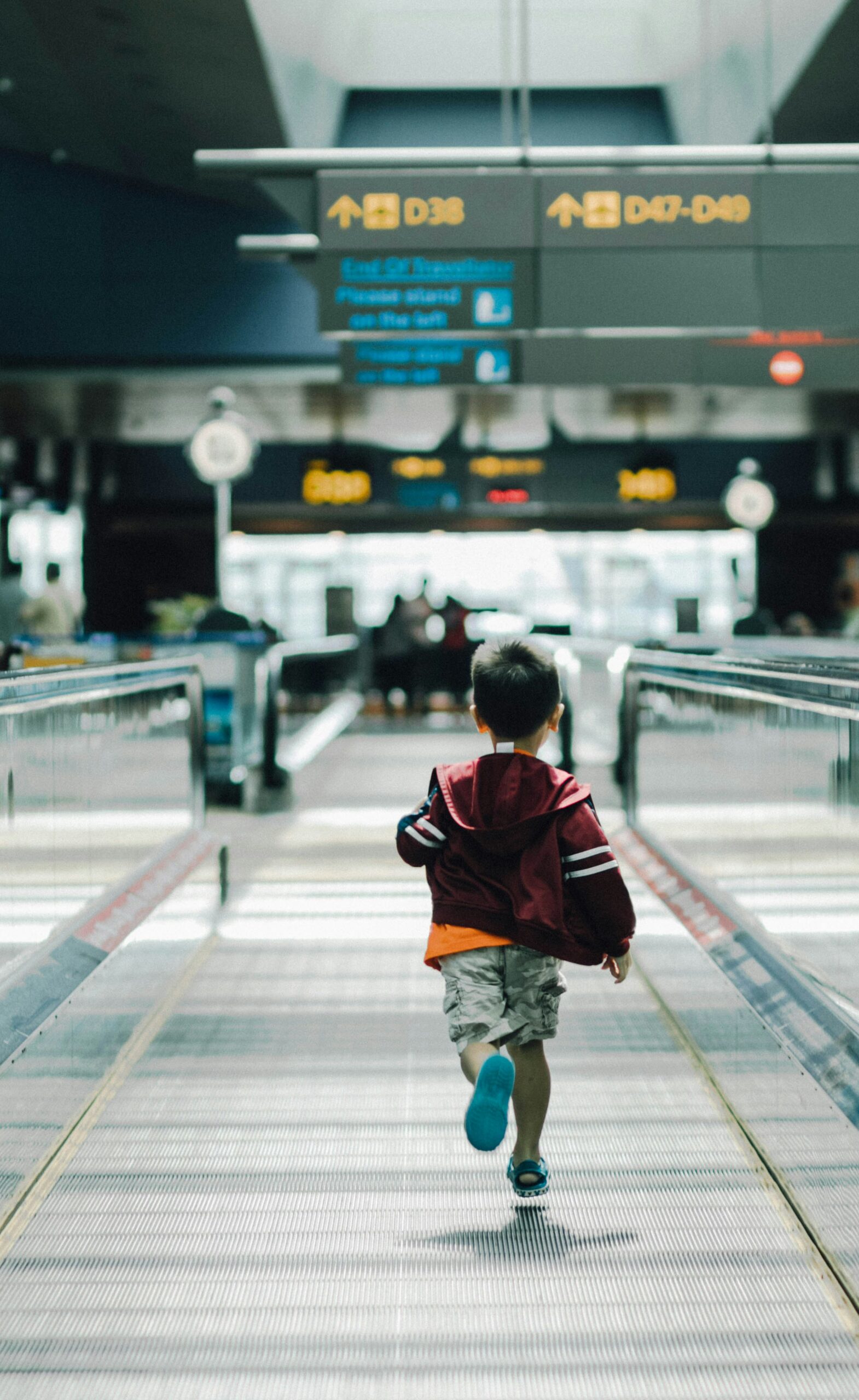
Most articles about visiting Japan with children say the same thing: Japan is clean, safe, and family-friendly. All true. But none of them tell you the part that actually matters when you’re standing in a train station with a crying toddler — where those famous facilities exist, and where they suddenly don’t.
I’m a Japanese mom with two young children. Here’s the honest version.
- The Truth About Japan’s Family Facilities: They’re Urban
- You Can Buy Baby Supplies Here — So Pack Lighter
- The Most Important Decision: Pick ONE Region
- Option 1: Kansai — The Easiest Base for Families
- Option 2: Okinawa — The Slow Resort Trip
- Option 3: Mt. Fuji Area + Tokyo
- Option 4: Tokyo + Disneyland — Best for Older Kids
- A Few Honest Notes About Getting Around
- Quick Notes for Eating Out
- FAQ
- Final Thoughts
The Truth About Japan’s Family Facilities: They’re Urban
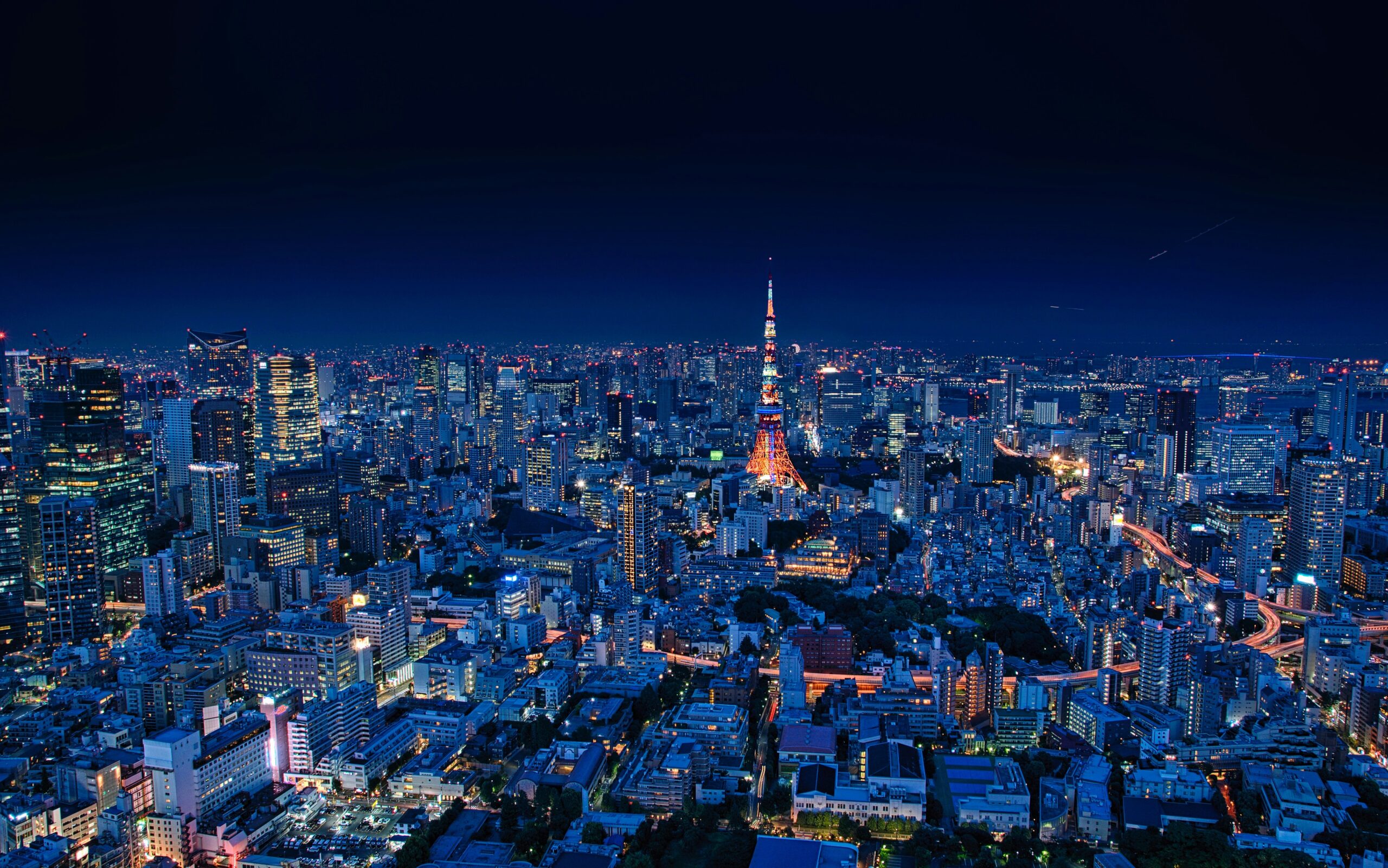
Japan really does have excellent baby infrastructure. Nursing rooms, diaper-changing stations, and kids’ play corners are built into department stores, shopping malls, train stations, and museums. Many are better equipped than anything I’ve seen elsewhere — private nursing booths, hot water for formula, sometimes even a microwave.
Here’s the catch: this is a city thing.
- Reliable: Tokyo, Kyoto, Nara, Nagoya, Osaka — you’ll rarely struggle
- Be careful: Gifu and other rural or nature-focused areas — facilities thin out fast
This matters because the “hidden gem countryside” itinerary that looks so appealing online is exactly where you’ll find no changing table, no nursing room, and a long drive to the next convenience store. If you’re travelling with a baby, the cities aren’t the boring choice — they’re the practical one.
You Can Buy Baby Supplies Here — So Pack Lighter
This is one of the biggest suitcase-savers, and a lot of visiting parents don’t know it.
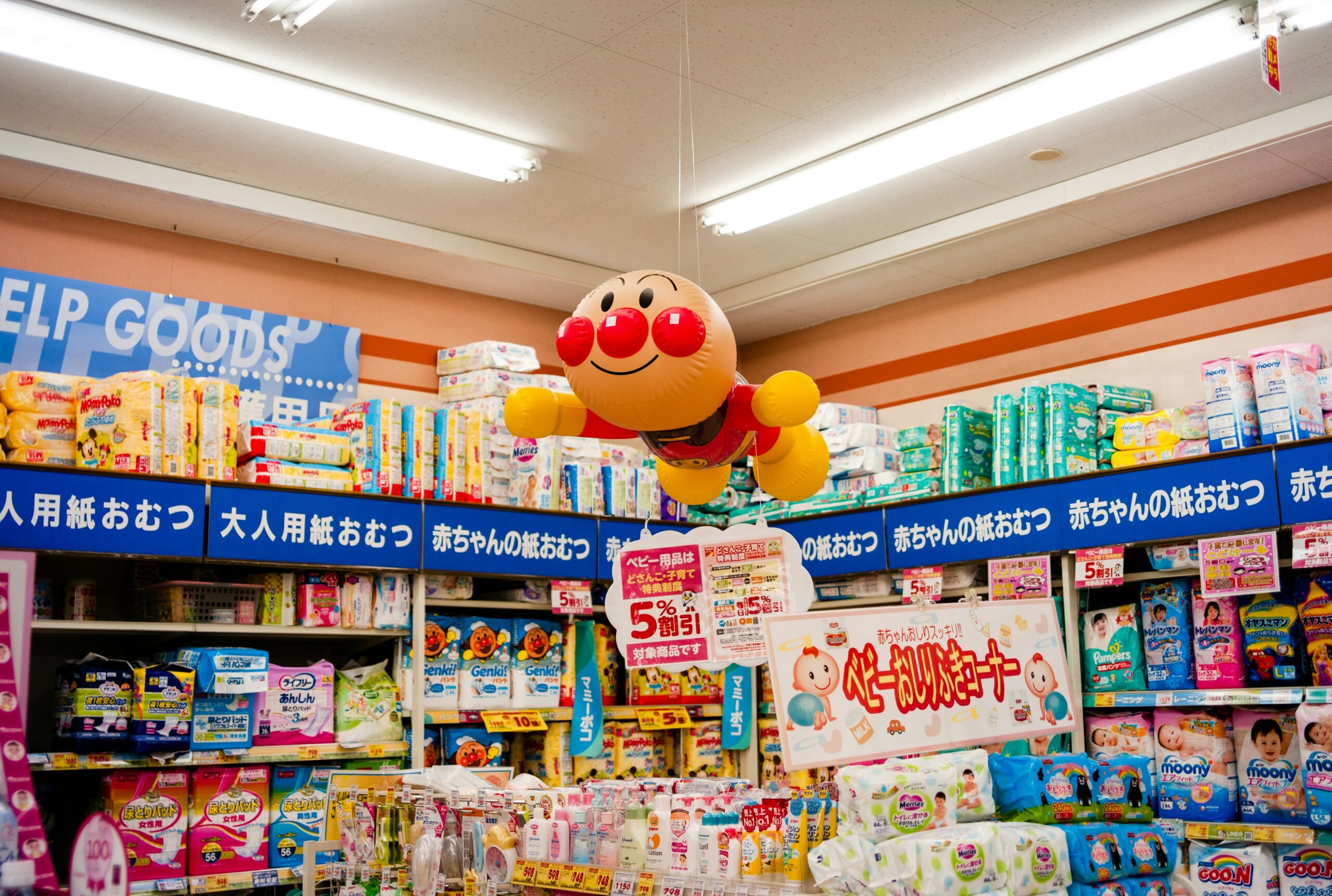
Japanese supermarkets and drugstores carry everything you need, at reasonable prices:
- Baby food: roughly ¥300 per meal — pouches and trays, ready to serve
- Diapers: around ¥1,500 for a pack of about 40
- Both tape type and pants type are widely available, in every size
Do bring what you’ll need for the flight and for getting to your hotel — you don’t want to be hunting for a drugstore at the end of a long travel day. But for a trip of about a week, there’s no need to pack the whole supply. Bring your travel-day amount, then shop once you’ve settled in, and your suitcase has room for souvenirs on the way home.
One more thing that makes daily life easy: many facilities in cities have diaper disposal bins in their restrooms, so you’re not carrying a used diaper around all afternoon. (Outside the cities, assume you’ll need to carry it out — bring sealable bags.)
Supermarkets are also where you’ll find the best-value food for the whole family, not just the baby → Japanese Supermarket Guide. And convenience stores fill every gap in between → Why Japanese Convenience Stores Will Ruin You for Everything Else.
The Most Important Decision: Pick ONE Region
If you take away one piece of advice, make it this.
Most first-time itineraries try to do Tokyo and Kyoto. On paper the shinkansen makes it easy. In reality, Tokyo to Osaka is 2 hours 20 minutes on the shinkansen alone — and that’s before you add getting to the station, and then from the station to your hotel at the other end. With children and a lot of luggage, it turns into most of a day.
Choose one side. Go deeper. Everyone will be happier.
Option 1: Kansai — The Easiest Base for Families
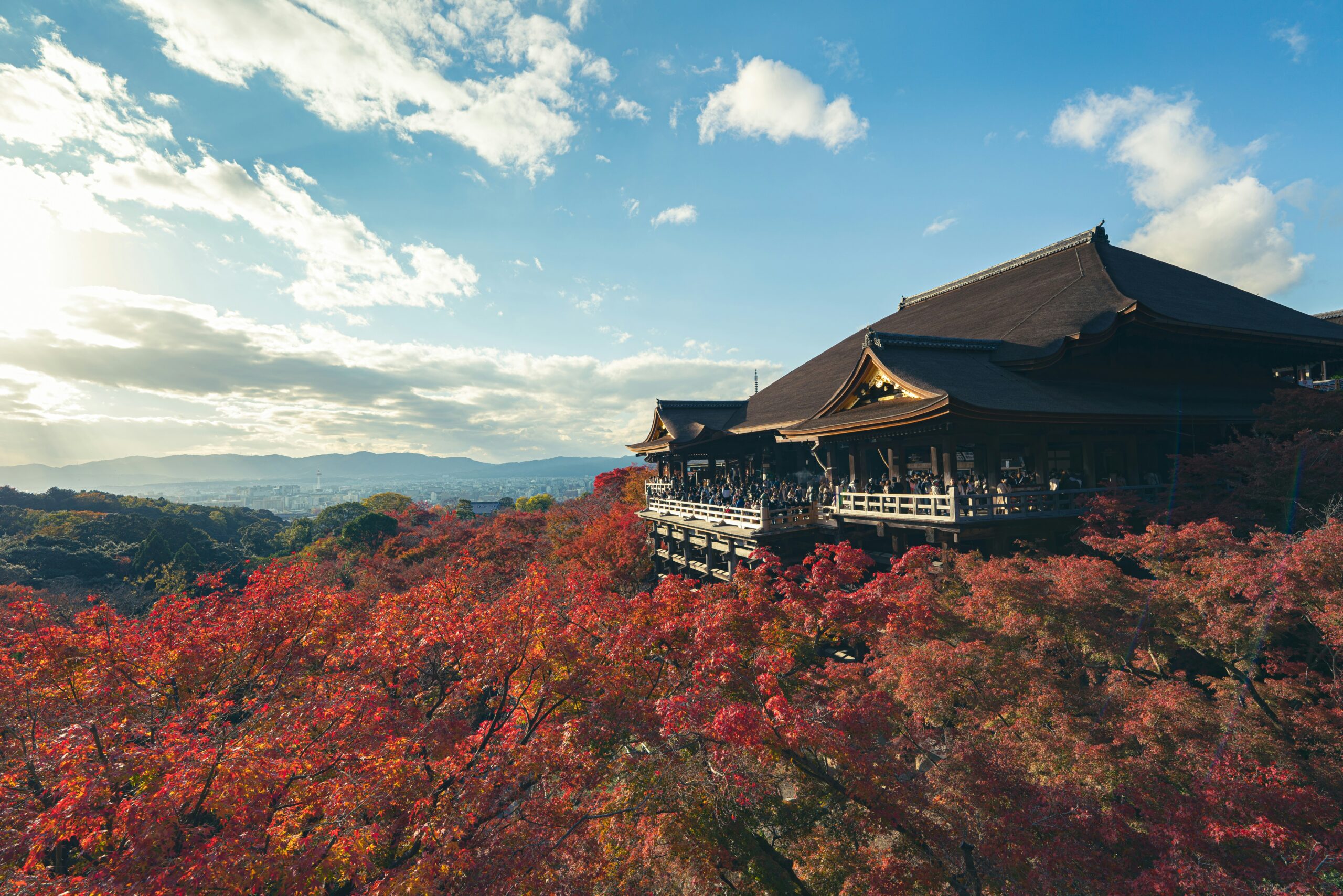
If I had to recommend one region for a family trip, this is it.
Basing yourself around the Kansai International Airport area gives you an unusually efficient mix:
- Traditional Japan — Kyoto’s temples and Nara’s deer are both close → Top 10 Must-See Spots in Kyoto / Nara Beyond the Deer
- Big-ticket fun — Universal Studios Japan is right there → Universal Studios Japan Complete Guide
- Short travel times between all of it, which is the whole point with kids
You get culture and theme-park energy without a single long-distance transfer. If you stay in Kyoto, USJ is still an easy day out.
For accommodation with a cultural dimension, Hoshinoya Kyoto is a hotel built around Japanese tradition, with activities on site — so after a day of sightseeing, you return to a place where the family can exhale rather than just sleep.
Option 2: Okinawa — The Slow Resort Trip
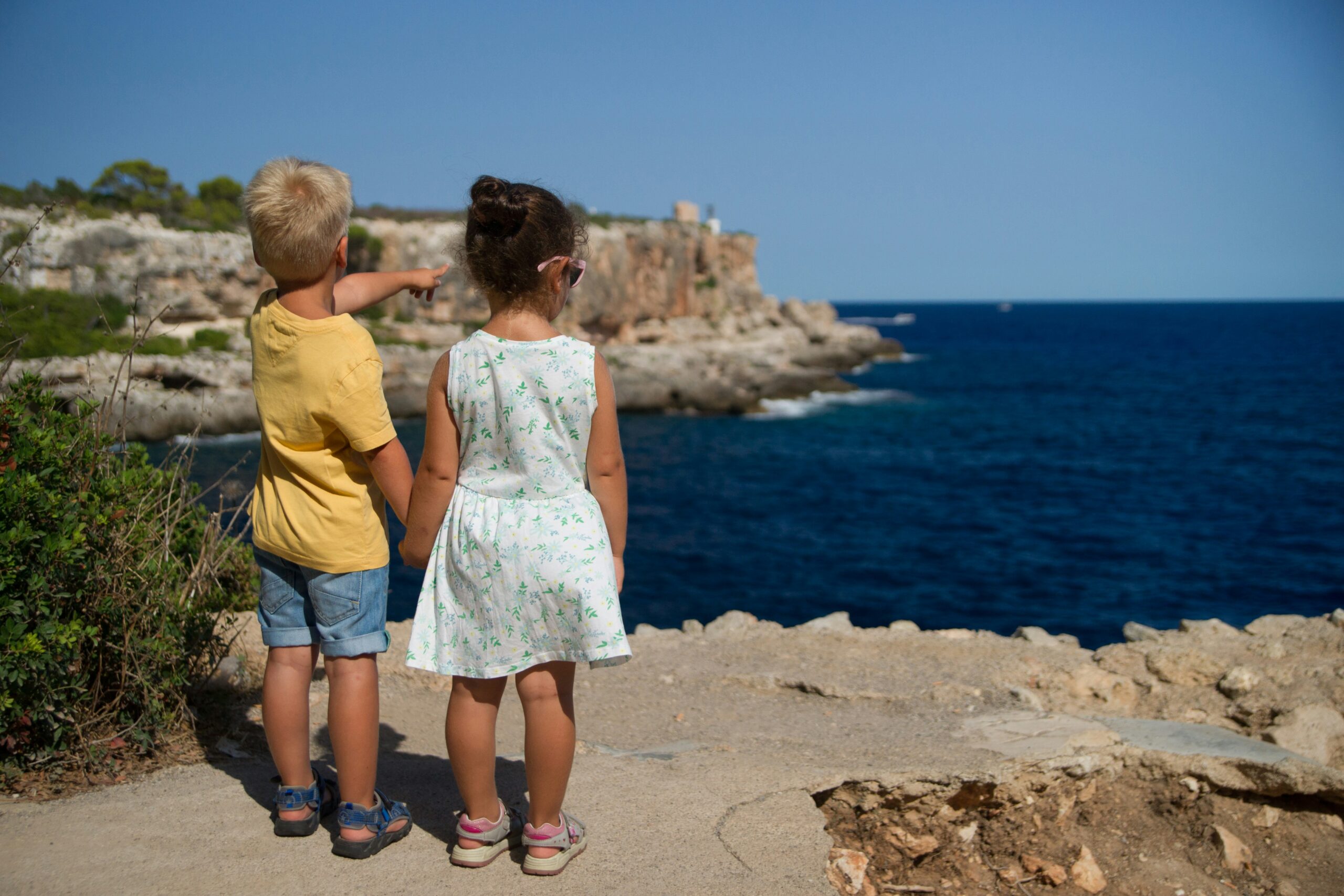
If your goal is rest rather than sightseeing, Okinawa is the answer. Beaches, a resort base, no daily train navigation, no packing and unpacking. For families with very young children, a slow Okinawa trip often beats a “see everything” itinerary by a wide margin.
Option 3: Mt. Fuji Area + Tokyo
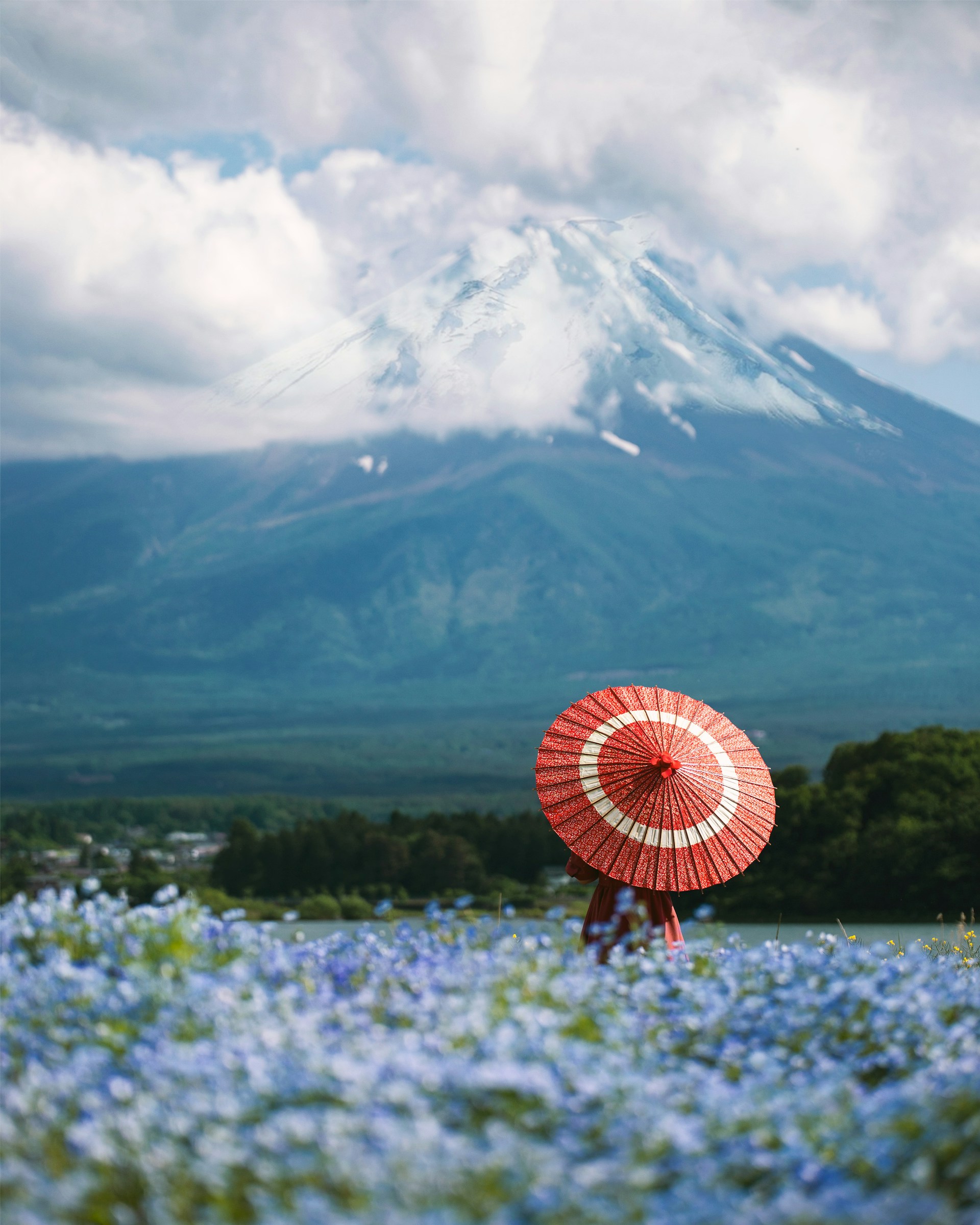
If Tokyo is non-negotiable, here’s the version that works with kids: stay near Mt. Fuji at a resort-style property — Hoshinoya Fuji and Fufu are in this category — and put your Tokyo days on either side of it.
That way the trip has a genuine rest phase in the middle instead of ten straight days of city.
Option 4: Tokyo + Disneyland — Best for Older Kids
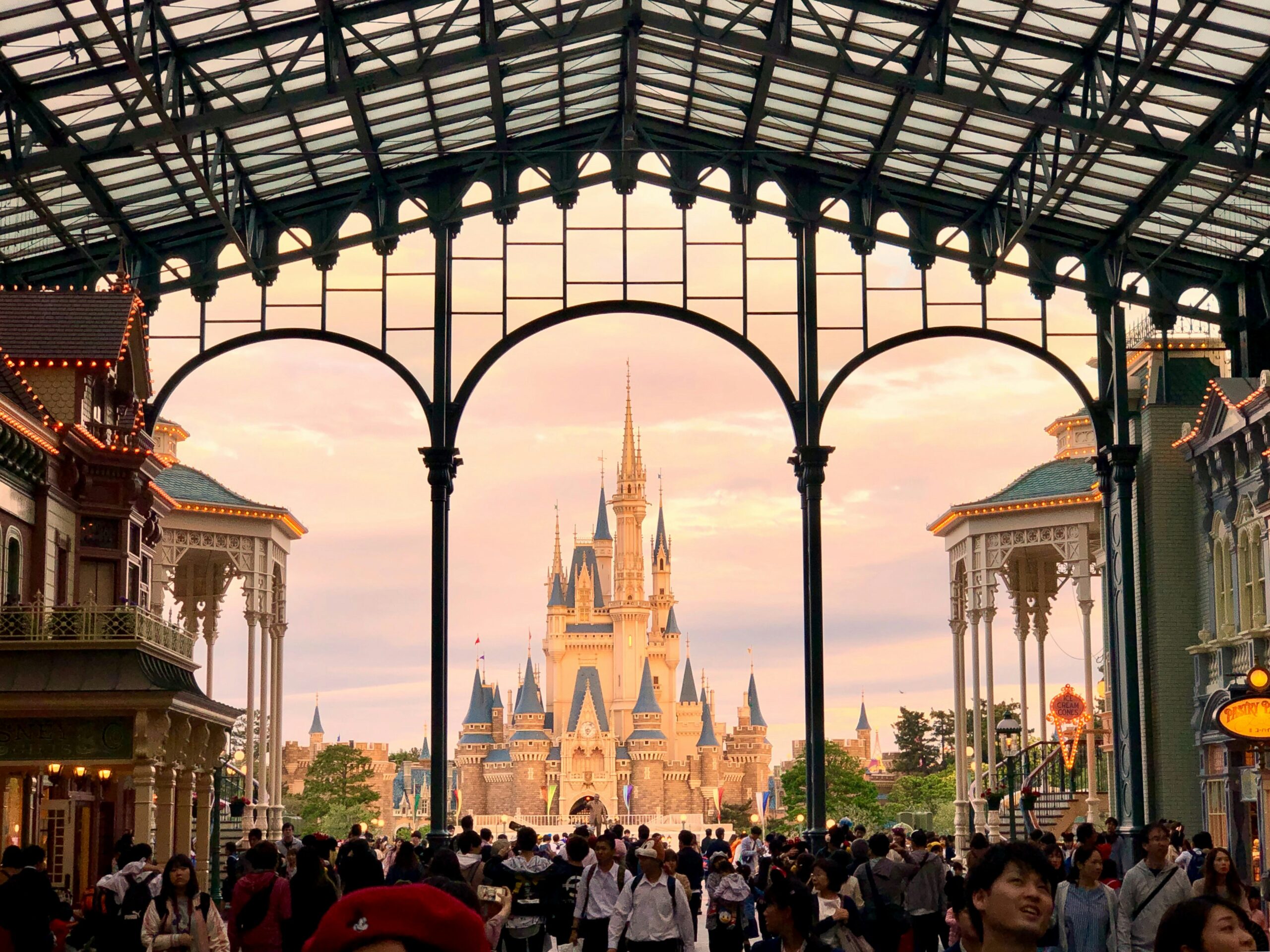
Once children are a bit older, the calculation changes. They can walk further, wait longer, and remember more. A Tokyo hotel base plus Tokyo Disneyland and the city’s newest attractions is a strong trip — and much harder to pull off with a baby.
A Few Honest Notes About Getting Around
Trains are easiest outside rush hour. Morning commuter trains are genuinely packed, and a stroller in that crowd is hard work for everyone including you. If you can shift your sightseeing start to mid-morning, do — it changes the whole day.
Transfers can be confusing. Japan’s rail network is dense, and between the signage and the ticket machines it isn’t always obvious which line, which platform, or which fare you need. Give yourself extra time at transfer stations rather than planning tight connections, and don’t hesitate to ask staff at the gate — they’re used to it.
Strollers: great in cities, where stations and department stores have elevators. Less so on temple grounds and in older neighbourhoods, where you’ll meet steps and gravel. Plenty of families use a carrier for temple days and a stroller for city days.
Quick Notes for Eating Out
Restaurants are easier than you’d expect: kids’ portions are common, and staff are used to families. If you’re unsure how the whole flow works — ordering, paying, what’s expected — I wrote the full walkthrough here → How to Eat at a Japanese Restaurant.
FAQ
What about food for picky eaters? Convenience stores, supermarkets, and family restaurants cover almost anything. Plain rice, bread, fruit, and noodles are everywhere.
Do we need to book far ahead? For resort-style stays and school-holiday periods, yes. Cities have more flexibility.
Final Thoughts
Japan is a wonderful country to travel with children — as long as you plan around how it actually works rather than how it looks in photos. Stay in the cities where the facilities are, buy your baby supplies here instead of hauling them across the ocean, and resist the urge to see both halves of the country in one trip.
Do that, and you’ll come home with a family holiday instead of a logistics exercise.

コメント